Wearable Metrics Help You Track Sleep, Stress, and Recovery More Accurately : Do you check your wearable data daily, or only when you feel tired or stressed?Many people try to improve their sleep, manage stress better, and recover more effectively, yet still feel stuck. They go to bed earlier, attempt relaxation techniques, or reduce screen time—but results often feel inconsistent. The main reason is simple: most people rely entirely on how they feel, and feelings alone do not always reflect what is happening inside the body.
The body sends signals quietly long before noticeable symptoms appear. A person may believe they are sleeping enough but still feel drained. Another may think stress is “normal” until burnout slowly builds. This is where modern wearables play a valuable role.
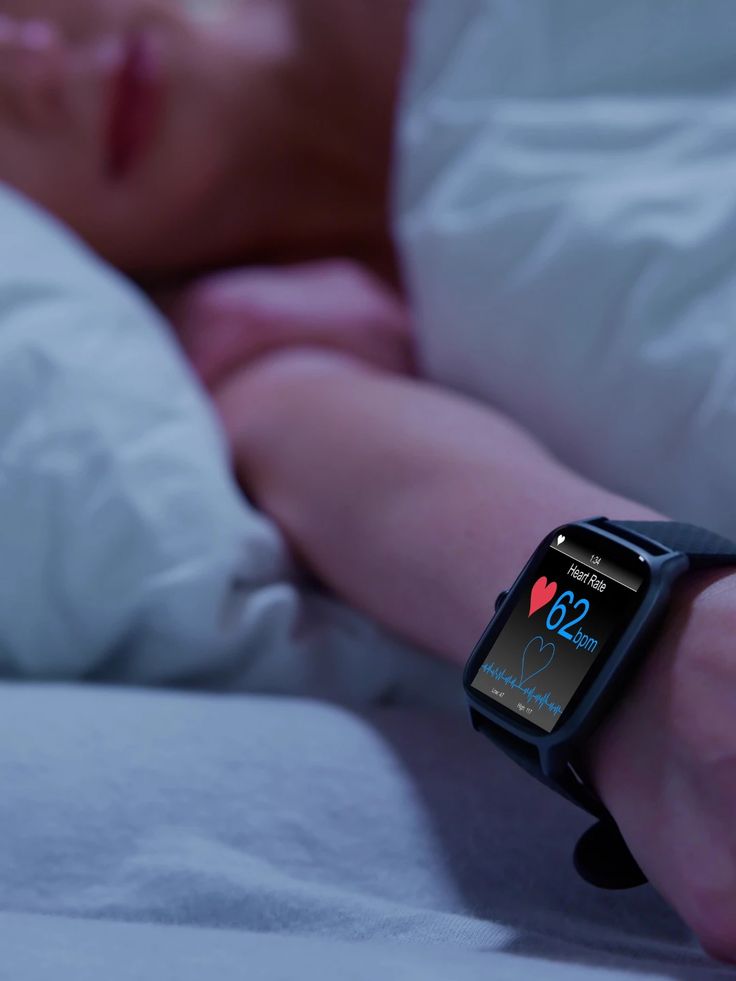
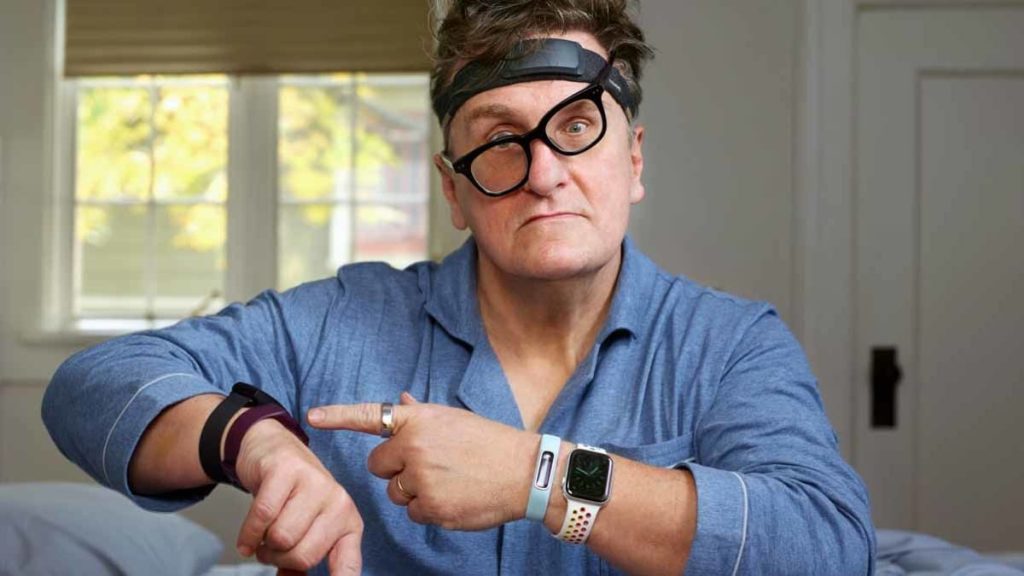
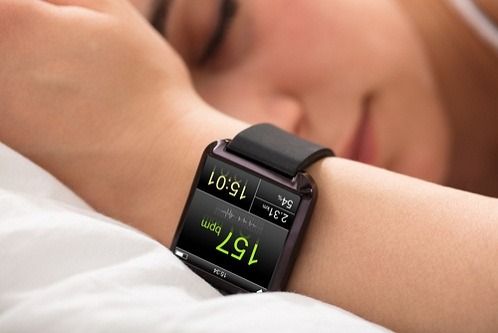
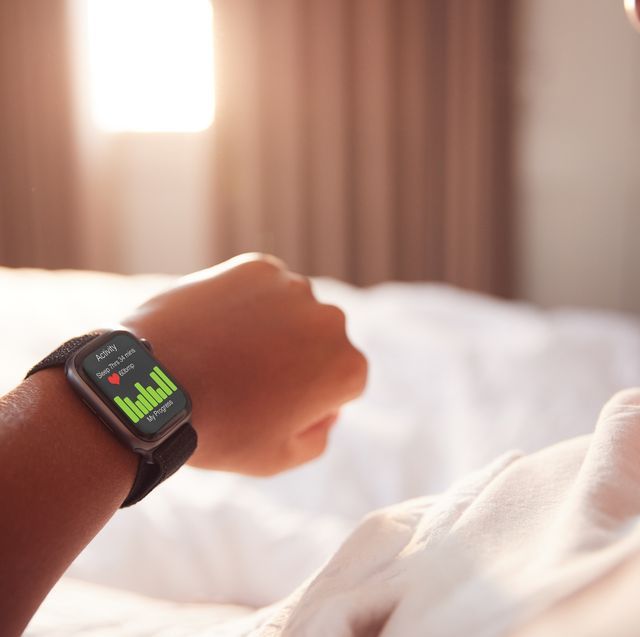
Wearables collect continuous data from the body—something humans cannot do on their own. Instead of guessing, people can see patterns related to sleep quality, stress load, heart rate, and recovery capacity. This information turns vague sensations into measurable trends.
This topic matters because awareness is the first step toward change. From my experience, people are far more consistent with healthy habits when they can see cause-and-effect in their own data rather than following generic advice.
This article is regularly updated to reflect current wellness practices in 2026.
🔹 WHO THIS GUIDE IS FOR
This guide is designed for people who want clearer insight into their daily recovery, stress, and sleep patterns.
You may benefit from this guide if:
You feel tired even after sleeping 7–8 hours
Your energy fluctuates unpredictably
Stress feels manageable but recovery feels poor
You want data to support better habits, not control them
Example: Someone may sleep 8 hours every night but still wake up unrefreshed. Wearable data often reveals fragmented sleep, poor recovery phases, or elevated nighttime stress—insights that feelings alone cannot reveal.
Ideal readers include:
People interested in data-driven wellness
Beginners exploring wearable health technology
Individuals building better sleep and recovery routines
Who Should Be Careful
Wearables are wellness tools, not diagnostic devices. Data should guide habits, not create fear or obsession.
Be cautious if:
You tend to overanalyze numbers
You feel anxious when metrics fluctuate
You have diagnosed medical conditions
Those with specific medical concerns should seek personal guidance before interpreting wearable data deeply.
🔹Why Sleep, Stress, and Recovery Are Hard to Measure
Sleep quality, stress load, and recovery happen internally and change daily. Unlike weight or steps, these systems are not directly visible. Most people judge them based on:
Mood
Energy
Motivation
The problem is that these signals are delayed. By the time you feel exhausted, stressed, or unmotivated, imbalance has often been present for days or weeks.
What Usually Goes Wrong
One bad night is assumed to be “the problem”
A stressful day is blamed instead of chronic overload
Recovery is judged emotionally instead of biologically
Wearables help shift the focus from single moments to long-term patterns, which is where meaningful insight lives.
Wearables and Recovery Tracking – What Actually Helps
1️⃣ Objective Sleep Data Replaces Guesswork
Most people overestimate how well they sleep. Memory is unreliable, especially during fragmented nights.
Wearables track:
Time asleep vs. time in bed
Night awakenings
Sleep consistency
Example: Someone may believe they sleep 7 hours but wearable data shows only 5.5 hours of actual sleep due to late-night awakenings or restless movement.
This awareness helps:
Correct bedtime habits
Reduce late-night stimulation
Improve sleep consistency
Sleep becomes measurable rather than assumed.
2️⃣ Sleep Stages Reveal Quality, Not Just Hours
Sleep duration alone does not equal recovery. Wearables estimate different sleep phases such as:
Light sleep
Deep sleep
Restorative or calm phases
While not medically precise, these estimates reveal patterns.
Example: A person sleeping 8 hours but getting minimal deep sleep may feel more tired than someone sleeping 6.5 hours with higher quality rest.
From my experience, seeing this data often motivates:
Earlier bedtimes
Reduced evening screen use
Better wind-down routines
3️⃣ Heart Rate Variability Reflects Stress Load
Heart Rate Variability (HRV) reflects how well the nervous system adapts to stress and recovery.
Higher or stable HRV trends often indicate resilience
Lower trends may reflect accumulated stress or fatigue
Example: Someone exercising regularly may notice HRV dropping during periods of poor sleep or high work stress—even without changing workouts.
This insight helps people:
Reduce overload
Add recovery days
Balance effort with rest
4️⃣ Resting Heart Rate Signals Recovery Status
Resting heart rate (RHR) is a simple but powerful indicator.
A rising RHR over several days may reflect:
Poor sleep
Dehydration
Overtraining
Emotional stress
Example: If resting heart rate rises after several intense days, the body may be asking for rest rather than more effort.
Many wearables combine sleep, HRV, heart rate, and activity into a readiness or recovery score.
These scores:
Simplify complex data
Support smarter daily choices
Reduce overthinking
Example: On low-readiness days, light movement may be better than intense training. On high-readiness days, the body may tolerate more stress.
These scores act as guides, not rules.
6️⃣ Activity Data Shows Recovery Demand
Wearables track:
Steps
Exercise duration
Intensity levels
This data helps connect output with recovery needs.
Example: Someone may feel fine mentally but wearable data shows high strain for several consecutive days. Without recovery, fatigue often appears later.
Understanding activity load prevents:
Under-recovery
Overtraining
Inconsistent energy
7️⃣ Stress Trends Highlight Hidden Patterns
Wearables can estimate stress based on:
Heart rate
Movement
Physiological responses
This reveals stress during:
Work hours
Late evenings
Poor sleep days
Example: A person may feel “used to stress” at work but wearable data shows consistent stress spikes during specific tasks or times.
This awareness encourages:
Micro-breaks
Better boundaries
Stress-reduction habits
8️⃣ Long-Term Trends Matter More Than Daily Numbers
Single-day readings fluctuate naturally.
What matters most:
Weekly averages
Monthly trends
Direction over time
Example: One bad night means little. Several weeks of declining sleep quality matters a lot.
Wearables work best when used as trend detectors, not daily judgment tools.
9️⃣ Behavior Awareness Improves Habit Building
Seeing cause-and-effect strengthens habits.
Examples:
Earlier bedtime → better HRV
Reduced late screens → deeper sleep
Stress breaks → improved readiness
Data reinforces small wins and builds motivation more effectively than reminders alone.
🔟 Wearables Support, Not Replace, Body Awareness
The most effective approach combines:
Wearable insights
Physical sensations
Emotional awareness
Ignoring how you feel in favor of numbers creates imbalance. Ignoring data creates blind spots.
Balance creates sustainable wellness.
🔹 REALITY CHECK
Reality Check
Wearables do not diagnose conditions
Numbers fluctuate naturally
Obsession reduces usefulness
Key reminders:
Trends > single readings
Consistency > perfection
Awareness > control
Used correctly, wearables enhance—not replace—self-care.
🔹 QUICK REFERENCE TABLE
Metric Tracked
Helps Understand
Beginner-Friendly
Sleep duration
Recovery time
Yes
HRV
Stress balance
Yes
Resting heart rate
Fatigue levels
Yes
Activity data
Recovery demand
Yes
What Results Can You Expect Over Time?
With consistent use, wearables may help:
Improve sleep awareness
Reduce stress overload
Support smarter recovery decisions
Benefits usually appear as better alignment, not instant transformation.
🔹 CONCLUSION
Wearables turn invisible body signals into understandable insights. When used correctly, they empower better decisions around sleep, stress, and recovery—without obsession or pressure.
Focus on long-term patterns. Use data as guidance, not judgment. Combine numbers with awareness, and let consistency—not perfection—drive progress.
They provide estimates and trends rather than exact measurements. Their strength lies in consistency over time.
Q2: Can wearables track stress reliably?
They estimate stress using heart and movement data, which is useful for trend awareness.
Q3: Is HRV important for recovery?
Yes, HRV trends often reflect nervous system balance and recovery capacity.
Q4: Should I check wearable data daily?
Daily checks are fine, but long-term trends matter more.
Q5: Can wearables improve sleep habits?
Yes, awareness often motivates better routines naturally.
Q6: Do I need an expensive wearable?
No. Many basic devices provide useful insights.
Q7: Can wearables increase anxiety?
Yes, if data is over-checked or misunderstood.
Q8: How long should I track data?
Several weeks provide more meaningful patterns.
Q9: Are wearables medical tools?
No. They support wellness awareness only.
Q10: What is the best way to use wearable data?
Combine trends with lifestyle adjustments and body awareness.
👤
About the Author & Editorial Review
Puma U
Content on BioHelixa is created by Puma U, a certified Lab Technician (DMLT) with over 10 years of experience in public health and laboratory science, including clinical exposure within India's National Rural Health Mission (NRHM). His background in laboratory diagnostics and metabolic science provides practical insight into how cellular biology, hormones, and bio-tracking influence human performance.
📋 Editorial Review
Select health-related content on BioHelixa may be reviewed by Dr. Prashant G (MBBS), a practicing medical doctor, to support general accuracy and improve content quality. This review is intended for educational quality assurance only and does not represent formal medical certification or individualized medical advice.
⚠️ Disclaimer: This content is for educational and informational purposes only and is not intended as a substitute for professional medical advice, diagnosis, or treatment.