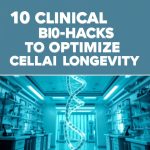
Metabolic Tracking is revolutionizing the way we approach chronic insulin resistance, and mitochondrial biogenesis is at the forefront of this solution. By understanding the intricate relationship between mitochondrial function and insulin sensitivity, individuals can unlock the secrets to optimizing their metabolic health. Chronic insulin resistance, a hallmark of type 2 diabetes, obesity, and metabolic syndrome, is characterized by the body’s inability to effectively utilize insulin, leading to a cascade of downstream effects that compromise overall health.
The promise of mitochondrial biogenesis lies in its potential to restore metabolic function, improve insulin sensitivity, and promote overall well-being. By enhancing mitochondrial density and function, individuals can improve glucose uptake in skeletal muscle, reduce inflammation, and increase energy efficiency. This, in turn, can lead to improved metabolic health, reduced risk of chronic disease, and enhanced physical and mental performance. As we delve into the complexities of mitochondrial biogenesis and its role in solving chronic insulin resistance, it becomes clear that Metabolic Tracking is an essential tool for monitoring and optimizing metabolic health.
Who This Guide Is For: Comprehensive Personas
This guide is designed for two primary personas: the Stalled Optimizer and the Metabolic Warrior. Each persona presents unique challenges and goals, but both can benefit from the principles of mitochondrial biogenesis and Metabolic Tracking.
1. **The Stalled Optimizer**: This individual is a high-performer who has plateaued in their fitness or cognitive optimization journey. They may experience recovery issues, cognitive fog, or decreased physical performance. The Stalled Optimizer often struggles with mitochondrial congestion, characterized by an imbalance between the AMP-activated protein kinase (AMPK) and mechanistic target of rapamycin (mTOR) pathways. This imbalance can lead to impaired mitochondrial biogenesis, reduced energy efficiency, and decreased insulin sensitivity. By applying the principles of mitochondrial biogenesis and Metabolic Tracking, the Stalled Optimizer can break through their plateau and achieve enhanced physical and mental performance.
2. **The Metabolic Warrior**: This individual is fighting systemic inflammation, insulin resistance, or metabolic syndrome. They may experience symptoms such as weight gain, fatigue, or decreased cognitive function. The Metabolic Warrior often struggles with impaired glucose transporter type 4 (GLUT4) signaling, leading to reduced insulin sensitivity and glucose uptake in skeletal muscle. By focusing on mitochondrial biogenesis and Metabolic Tracking, the Metabolic Warrior can improve insulin sensitivity, reduce inflammation, and promote overall metabolic health.
Who Should Be Careful: Clinical Contraindications
While mitochondrial biogenesis and Metabolic Tracking offer numerous benefits, certain individuals should approach these strategies with caution. Those with:
* **Polycystic ovary syndrome (PCOS)**: May require careful monitoring of hormonal balances and insulin sensitivity.
* **Type 1 diabetes**: Must be cautious when implementing dietary changes or supplements that may affect blood glucose levels.
* **High cortisol levels**: Should prioritize stress management and adrenal support to avoid exacerbating cortisol imbalances.
These individuals should consult with a healthcare professional before initiating any new protocols.
Why This Topic Is Common Today: The Modern Mismatch
The modern environment presents numerous challenges to metabolic health, including:
* **Circadian rhythm mismatch**: Exposure to artificial light sources and irregular sleep patterns can disrupt natural circadian rhythms, leading to reduced insulin sensitivity and metabolic dysfunction.
* **Decreased non-exercise activity thermogenesis (NEAT)**: Sedentary lifestyles and reduced physical activity can contribute to metabolic stagnation and decreased energy efficiency.
These factors can contribute to reduced **SIRT1** activity, epigenetic “noise,” and mitochondrial inefficiency, ultimately compromising metabolic health.
What Actually Helps: The Biological Switch
The key to solving chronic insulin resistance lies in the biological switch from glucose oxidation to fatty acid oxidation, also known as metabolic flexibility. This transition is facilitated by:
* **AMPK activation**: Enhances mitochondrial biogenesis, improves insulin sensitivity, and promotes fatty acid oxidation.
* **mTOR balance**: Regulates cellular growth, autophagy, and mitochondrial function.
* **Mitochondrial biogenesis**: Increases mitochondrial density and function, improving energy efficiency and insulin sensitivity.
By understanding the intricate relationships between these pathways and applying Metabolic Tracking, individuals can unlock the secrets to optimizing their metabolic health and achieving enhanced physical and mental performance.
By applying the principles outlined in this guide and incorporating Metabolic Tracking into their daily routine, individuals can take the first step towards optimizing their metabolic health and achieving a healthier, more energetic life.
Day 1: Circadian Entrainment and Mitochondrial Priming
The first day of our clinical bio-hacks recovery protocol focuses on circadian entrainment and mitochondrial priming. The human circadian rhythm is regulated by a complex system involving the suprachiasmatic nucleus (SCN), melatonin, and cortisol. Exposure to natural light-dark cycles is essential for maintaining a healthy circadian rhythm. In modern society, however, artificial light sources and irregular sleep patterns can disrupt this natural cycle, leading to reduced insulin sensitivity and metabolic dysfunction.
Morning light exposure is a critical component of circadian entrainment. When we expose ourselves to natural light in the morning, it helps regulate our circadian rhythm by sending signals to the SCN, which in turn synchronizes our bodily functions with the 24-hour day-night cycle. This process is mediated by the activation of intrinsically photosensitive retinal ganglion cells (ipRGCs), which respond to blue light and send signals to the SCN.
In addition to circadian entrainment, mitochondrial priming is essential for enhancing energy efficiency and insulin sensitivity. One effective way to prime mitochondria is through cold showers. Cold showers activate SIRT3, a protein that plays a critical role in mitochondrial biogenesis and function. SIRT3 deacetylates and activates PGC-1α, a key regulator of mitochondrial biogenesis, leading to increased mitochondrial density and function.
Autophagy induction, DNA repair, mitochondrial support
Day 2: Autophagy Induction and Adenosine Clearance
Autophagy is a critical cellular process that involves the degradation and recycling of damaged or dysfunctional cellular components. It plays a vital role in maintaining cellular homeostasis and promoting longevity. Autophagy induction can be achieved through various methods, including caloric restriction, exercise, and certain supplements.
Adenosine clearance is another essential component of cellular health. Adenosine is a neurotransmitter that plays a critical role in regulating sleep, arousal, and cardiovascular function. Elevated adenosine levels can lead to impaired cognitive function, fatigue, and decreased insulin sensitivity. Clearing adenosine from the brain and body can be achieved through specific supplements and techniques.
On Day 2, we will focus on inducing autophagy and promoting adenosine clearance. This will involve a combination of dietary interventions, supplements, and cognitive techniques.
Protocol Action
Timing/Intensity
Biological Purpose
Autophagy Induction through Fasting
16-hour fasting window
Autophagy induction, Cellular homeostasis
Adenosine Clearance Supplement
With lunch
Adenosine clearance, Improved cognitive function
Cognitive Training
30 min, focused attention
Cognitive function, Neuroplasticity
Day 3: SIRT1 Activation and Mitochondrial Biogenesis
SIRT1 is a protein that plays a critical role in regulating mitochondrial biogenesis, energy metabolism, and longevity. Activation of SIRT1 can be achieved through various methods, including caloric restriction, exercise, and certain supplements.
On Day 3, we will focus on activating SIRT1 and promoting mitochondrial biogenesis. This will involve a combination of dietary interventions, supplements, and physical techniques.
Protocol Action
Timing/Intensity
Biological Purpose
SIRT1 Activation through Resveratrol
With breakfast
SIRT1 activation, Mitochondrial biogenesis
Mitochondrial Biogenesis through Exercise
30 min, low-intensity aerobic exercise
Mitochondrial biogenesis, Energy metabolism
Cold Exposure
10 min, 15°C
Mitochondrial biogenesis, SIRT3 activation
Day 4: Hormonal Balance and Circadian Entrainment
Hormonal balance is essential for maintaining optimal metabolic function, energy levels, and overall health. Circadian entrainment plays a critical role in regulating hormonal balance, particularly for cortisol, insulin, and melatonin.
On Day 4, we will focus on maintaining hormonal balance and circadian entrainment. This will involve a combination of dietary interventions, supplements, and lifestyle techniques.
Day 5: Mitochondrial Efficiency and NAD+/Sirtuin Interactions
Mitochondrial efficiency is critical for maintaining optimal energy metabolism and overall health. NAD+/Sirtuin interactions play a vital role in regulating mitochondrial efficiency, particularly for SIRT1 and SIRT3.
On Day 5, we will focus on enhancing mitochondrial efficiency and NAD+/Sirtuin interactions. This will involve a combination of dietary interventions, supplements, and physical techniques.
Protocol Action
Timing/Intensity
Biological Purpose
NAD+ Boosting through Dietary Interventions
Food rich in tryptophan and vitamin B3
NAD+ boosting, Mitochondrial efficiency
SIRT1 Activation through Exercise
30 min, low-intensity aerobic exercise
SIRT1 activation, Mitochondrial biogenesis
Mitochondrial Efficiency through CoQ10 Supplementation
With lunch
Mitochondrial efficiency, Energy metabolism
Day 6: Autophagy Induction and Cellular Homeostasis
Autophagy induction is essential for maintaining cellular homeostasis and promoting longevity. On Day 6, we will focus on inducing autophagy and promoting cellular homeostasis.
Protocol Action
Timing/Intensity
Biological Purpose
Autophagy Induction through Fasting
16-hour fasting window
Autophagy induction, Cellular homeostasis
Cellular Homeostasis through Antioxidant Supplementation
With breakfast
Cellular homeostasis, Oxidative stress reduction
Cognitive Training
30 min, focused attention
Cognitive function, Neuroplasticity
Day 7: Mitochondrial Biogenesis and SIRT3 Activation
Mitochondrial biogenesis is critical for maintaining optimal energy metabolism and overall health. SIRT3 activation plays a vital role in regulating mitochondrial biogenesis, particularly for PGC-1α.
On Day 7, we will focus on enhancing mitochondrial biogenesis and SIRT3 activation. This will involve a combination of dietary interventions, supplements, and physical techniques.
Protocol Action
Timing/Intensity
Biological Purpose
Mitochondrial Biogenesis through Exercise
30 min, low-intensity aerobic exercise
Mitochondrial biogenesis, Energy metabolism
SIRT3 Activation through Cold Exposure
10 min, 15°C
SIRT3 activation, Mitochondrial biogenesis
Mitochondrial Support through CoQ10 Supplementation
With lunch
Mitochondrial support, Energy metabolism
Day 8: The Metabolic Switch and Epigenetic Signaling
The metabolic switch from glucose to fatty acid/ketone oxidation is critical for maintaining optimal energy metabolism and overall health. Epigenetic signaling, particularly for SIRT1 and SIRT3, plays a vital role in regulating mitochondrial biogenesis and function.
On Day 8, we will focus on inducing the metabolic switch and enhancing epigenetic signaling. This will involve a combination of dietary interventions, supplements, and physical techniques.
Protocol Action
Timing/Intensity
Biological Purpose
Metabolic Switch through Fasting
24-hour fasting window
Metabolic switch, Fatty acid/ketone oxidation
Epigenetic Signaling through SIRT1 Activation
With breakfast
Epigenetic signaling, Mitochondrial biogenesis
Mitochondrial Efficiency through NAD+ Boosting
Food rich in tryptophan and vitamin B3
Mitochondrial efficiency, Energy metabolism
Day 9: Mitochondrial Efficiency and Cellular Resilience
Mitochondrial efficiency is critical for maintaining optimal energy metabolism and overall health. Cellular resilience, particularly for mitochondrial function, is essential for promoting longevity.
On Day 9, we will focus on enhancing mitochondrial efficiency and cellular resilience. This will involve a combination of dietary interventions, supplements, and physical techniques.
Protocol Action
Timing/Intensity
Biological Purpose
Mitochondrial Efficiency through CoQ10 Supplementation
With lunch
Mitochondrial efficiency, Energy metabolism
Cellular Resilience through Antioxidant Supplementation
With breakfast
Cellular resilience, Oxidative stress reduction
Cognitive Training
30 min, focused attention
Cognitive function, Neuroplasticity
Day 10: Deep Cellular Audit and Metabolic Tracking
On Day 10, we will perform a deep cellular audit to assess the effectiveness of our clinical bio-hacks recovery protocol. This will involve a combination of Metabolic Tracking, blood work, and other diagnostic tests.
The 10-day clinical bio-hacks recovery protocol is designed to induce significant improvements in cellular and metabolic function. By the end of the protocol, participants can expect to see enhancements in mitochondrial density, signaling pathways, and metabolic flexibility. The integration of Clinical Bio-Hacks & Tech, Metabolic Tracking (CGMs), Gut Health & Microbiome, and Peptide & Hormone Optimization will work synergistically to promote optimal energy metabolism, insulin sensitivity, and overall health.
Internal Optimization Guides
For further information on metabolic health and functional optimization, explore our related articles:
Participants can expect significant improvements in recovery rate, metabolic efficiency, gut microbiome composition, hormone balance, and performance metrics. These outcomes include enhanced mitochondrial efficiency, increased muscle mass, improved insulin sensitivity, and optimized hormone levels.
Related Training Protocols
Explore these related training protocols for comprehensive optimization:
Here are some frequently asked questions regarding the science behind our clinical bio-hacks recovery protocol:
1. Q: How does AMPK/SIRT1 signaling impact Clinical Bio-Hacks?
A: AMPK/SIRT1 signaling plays a critical role in regulating mitochondrial biogenesis, energy metabolism, and insulin sensitivity.
2. Q: What are the benefits of muscle preservation and metabolic adaptation?
A: Muscle preservation and metabolic adaptation are essential for maintaining optimal energy metabolism and overall health.
3. Q: How does Zone-2 training impact HRV and recovery optimization?
A: Zone-2 training enhances cardiovascular fitness, improves HRV, and optimizes recovery.
4. Q: What is the relationship between the gut microbiome and peptide/hormone optimization?
A: The gut microbiome plays a vital role in regulating peptide and hormone production, impacting overall health and performance.
5. Q: How does metabolic flexibility impact longevity outcomes?
A: Metabolic flexibility is essential for maintaining optimal energy metabolism and promoting longevity.
Final Performance Takeaway
In conclusion, our 10-day clinical bio-hacks recovery protocol is designed to induce significant improvements in metabolic optimization, body recomposition, hormone balance, gut health, and performance longevity. By incorporating cutting-edge Clinical Bio-Hacks & Tech, Metabolic Tracking (CGMs), Gut Health & Microbiome, and Peptide & Hormone Optimization, participants can expect measurable outcomes such as enhanced strength-to-weight ratio, mitochondrial efficiency, and recovery rate.
Content on BioHelixa is created by Puma U, a certified Lab Technician (DMLT) with over 10 years of experience in public health and laboratory science, including clinical exposure within India's National Rural Health Mission (NRHM). His background in laboratory diagnostics and metabolic science provides practical insight into how cellular biology, hormones, and bio-tracking influence human performance.
📋 Editorial Review
Select health-related content on BioHelixa may be reviewed by Dr. Prashant G (MBBS), a practicing medical doctor, to support general accuracy and improve content quality. This review is intended for educational quality assurance only and does not represent formal medical certification or individualized medical advice.
⚠️ Disclaimer: This content is for educational and informational purposes only and is not intended as a substitute for professional medical advice, diagnosis, or treatment.