In recent years, longevity science has transitioned from a niche topic into one of the most rigorously discussed areas in preventive medicine, health optimization, and performance research. The ultimate objective of this field is not merely extending lifespan (the total number of years lived), but fundamentally maximizing healthspan—the portion of a person’s life spent in optimal physical, cognitive, metabolic, and cellular health.
This pursuit has captured the attention of world-class researchers, clinicians, and high-performance professionals across major global innovation hubs, including the United States, United Kingdom, Switzerland, Singapore, Germany, and Canada.
The phrase “Silicon Valley longevity protocols” frequently surfaces in media and online health communities. It often conjures images of ultra-exclusive, hyper-expensive, or secretive clinical regimens practiced solely by tech billionaires and elite performers. However, when you peel back the marketing layers, these protocols are not mysterious, proprietary systems. Instead, they represent highly structured, data-driven, and clinically backed applications of well-established biological fields:
Metabolic Health & Bioenergetics: Optimizing how cells process nutrients into fuel.
Circadian Biology: Aligning behavioral patterns with evolutionary internal clocks.
Ultimately, cutting-edge longevity frameworks are less about discovering magic pills and more about taking known, interconnected biological systems and organizing them into a measurable, consistent, and actionable lifecycle framework.
This comprehensive guide breaks down the 12 core clinical and behavioral longevity principles frequently discussed in high-performance wellness environments, explaining the underlying science, real-world applications, and systemic interactions that drive long-term biological resilience.
What Longevity Protocols Actually Represent
A legitimate clinical longevity protocol is never a singular treatment, a passing trend, or a rigid, one-size-fits-all checklist. It is a highly dynamic, interconnected matrix of lifestyle modifications, behavioral habits, and clinical tracking mechanisms. This multi-system approach is explicitly designed to maintain baseline homeostasis while systematically enhancing the body’s operational capacity.
When properly implemented, a longevity framework simultaneously targets several key biological priorities:
Metabolic Stability: Keeping baseline markers within optimal, tight parameters rather than standard clinical reference ranges.
Hormonal Homeostasis: Safeguarding sensitive feedback loops (such as the hypothalamic-pituitary-adrenal axis) from chronic degradation.
Cellular Energy Efficiency: Supporting the structural integrity of the cells to optimize energy creation and waste removal.
Inflammatory Modulation: Keeping systemic, low-grade chronic inflammation to an absolute minimum.
Autonomic Resilience: Cultivating a robust capacity to transition seamlessly between states of high physiological stress and deep, restorative recovery.
Traditional, reactive healthcare systems are inherently designed to diagnose and treat diseases after clinical symptoms manifest. In sharp contrast, modern longevity medicine uses advanced biomarkers, continuous tracking technologies, and functional testing to identify subtle patterns of cellular, metabolic, and physiological decline years—or even decades—before they cross the threshold into diagnostic disease. It shifts the medical paradigm entirely from reactive symptom management to proactive health optimization.
1. Metabolic Stability and Energy Regulation
Metabolic stability is the cornerstone upon which all other longevity interventions are built. It refers to the body’s capacity to efficiently, cleanly, and consistently process dietary macronutrients into cellular energy ($ATP$) without causing massive biochemical stress, severe tissue damage, or erratic systemic fluctuations.
The Underlying Biological Mechanics
At its core, metabolic health is governed by insulin sensitivity and nutrient-sensing pathways (such as mTOR, AMPK, and sirtuins). When you consume food, your blood glucose rises, triggering the pancreas to release insulin, which allows cells to absorb glucose for immediate fuel or store it as glycogen.
A highly optimized metabolic system exhibits excellent metabolic flexibility—the ability to seamlessly shift between burning carbohydrates (glucose oxidation) and burning fats (fat oxidation) based on availability and physiological demand.
When metabolic stability degrades, the body experiences frequent, erratic spikes and crashes in blood glucose. This chronic instability forces the pancreas to overproduce insulin, eventually leading to peripheral insulin resistance.
When cells become numb to insulin, glucose remains trapped in the bloodstream, accelerating a destructive process known as glycation (where sugar molecules bond to proteins and fats, creating advanced glycation end-products, or AGEs). AGEs stiffen blood vessels, damage delicate tissues, and trigger widespread oxidative stress.
High-Performance Consequences & Real-World Impact
In high-stress corporate, tech, or creative environments, poor metabolic stability manifests long before clinical type 2 diabetes develops. It shows up as severe afternoon energy crashes, postprandial (post-meal) somnolence, recurring brain fog, and volatile mood fluctuations.
Real-World Case: Consider a software engineer or executive working in an innovation hub like San Francisco. Due to intense project deadlines, they often rely on irregular eating windows, frequent refined carbohydrates, and sugary caffeinated drinks to power through code or meetings. This behavior triggers massive glucose spikes followed by reactive hypoglycemia (a sharp drop in blood sugar). The immediate result is an afternoon cognitive crash, making sustained focus impossible and forcing a reliance on more stimulants—creating a vicious cycle that degrades metabolic health over time.
Every single tissue and organ system in the human body operates on a tightly regulated, genetically encoded 24-hour cycle known as the circadian rhythm. This master biological clock dictates the timing of hormone synthesis, gene expression, immune defense responses, and core metabolic processes.
The circadian system is structured hierarchically. The master controller is the suprachiasmatic nucleus (SCN), located within the hypothalamus of the brain. The SCN is profoundly sensitive to external environmental cues, the most powerful of which is photic input (light) captured by intrinsically photosensitive retinal ganglion cells (ipRGCs) in the eyes.
When bright, full-spectrum sunlight hits the retina in the morning, it signals the SCN to suppress melatonin production, stimulate cortisol release, raise core body temperature, and prime the metabolic system for wakefulness.
Conversely, when darkness falls, the absence of blue light triggers the pineal gland to secrete melatonin, initiating the cascade required for deep sleep, tissue repair, and immune system calibration.
When individuals disrupt this natural alignment—by working late under intense artificial blue light, eating meals during biological night, or changing time zones frequently—they induce circadian desynchrony. This disconnect causes peripheral organ clocks (like those in the liver, gut, and skeletal muscle) to drift out of sync with the master clock in the brain.
High-Performance Consequences & Real-World Impact
Chronic circadian misalignment completely destabilizes sleep architecture, lowers sleep efficiency, and actively disrupts metabolic function by inducing a temporary state of insulin resistance every evening. It impairs the prefrontal cortex, leading to reduced working memory, slower executive decision-making, and compromised emotional regulation.
In high-performance cultures, aligning the circadian rhythm is treated as a foundational requirement for biological survival. Protocols focus heavily on:
Viewing 10–15 minutes of direct morning sunlight immediately upon waking to anchor the cortisol curve.
Aggressively eliminating artificial blue light exposure after dark using software, specialized lighting, or orange-tinted eyewear.
Keeping a highly consistent sleep-wake schedule, even on weekends, to protect the body’s internal timing mechanics.
3. Mitochondrial Function and Cellular Energy
Mitochondria are far more than just the simplified “powerhouses of the cell.” They serve as highly dynamic, intelligent environmental sensors that dictate whether a cell prioritizes growth, defense, or programmed cell death. Their capacity to efficiently generate energy determines the operational ceiling of every organ system in the body, particularly the brain and heart.
The Underlying Biological Mechanics
Mitochondria produce adenosine triphosphate (ATP) through a complex biochemical process known as oxidative phosphorylation, which takes place across the inner mitochondrial membrane. As a natural byproduct of this energy production, mitochondria generate reactive oxygen species (ROS).
In a young, healthy cell, baseline antioxidant defenses easily neutralize these ROS. However, as we age, or when the body is subjected to chronic metabolic or toxic stress, mitochondria become progressively damaged and inefficient.
Damaged mitochondria begin leaking massive amounts of ROS into the cellular space while producing significantly less ATP. This energy deficit causes a steep drop in overall cellular capacity.
Furthermore, when the body’s natural quality-control mechanism for clearing out broken mitochondria—a specialized process called mitophagy—becomes sluggish, dysfunctional mitochondria accumulate. This accumulation triggers an inflammatory cascade that can ultimately damage the host cell’s nuclear DNA.
┌────────────────────────────────────────────────────────┐
│               THE CELLULAR ENERGY CYCLE                │
├───────────────────────────┬────────────────────────────┤
│ Healthy Mitochondria      │ High ATP + Controlled ROS   │
│                           │ = Optimal Cellular Health  │
├───────────────────────────┼────────────────────────────┤
│ Dysfunctional Mitochondria│ Low ATP + Leaking ROS      │
│                           │ = Cellular Decline & Aging │
└───────────────────────────┴────────────────────────────┘
High-Performance Consequences & Real-World Impact
Because the human brain consumes roughly 20% of the body’s total energy expenditure despite accounting for only 2% of its mass, mitochondrial decline is felt almost immediately as cognitive fatigue, diminished processing speed, and a lower threshold for mental burnout. Physically, it manifests as poor muscular endurance, prolonged exercise recovery windows, and a general lack of baseline physical drive.
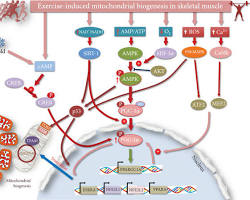
Modern longevity frameworks focus intently on stimulating mitochondrial biogenesis (the creation of brand-new, highly efficient mitochondria) and accelerating mitophagy (the clearance of damaged ones). Rather than relying entirely on unproven supplements, these protocols prioritize scientifically verified physiological stressors that force the body to adapt and rebuild its cellular engines, such as:
Zone 2 Cardiovascular Training: Steady-state aerobic exercise that forces skeletal muscle cells to maximize mitochondrial density and efficiency.
Targeted Thermal Stress: Using deliberate cold exposure and saunas to trigger mitochondrial adaptation pathways.
Intermittent Nutrient Deprivation: Utilizing structured fasting windows to lower cellular energy charges, which activates the AMPK pathway and triggers essential mitophagy.
4. Chronic Inflammation Management
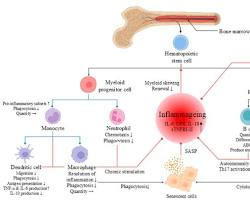
While acute inflammation is a life-saving immune response designed to heal wounds and fight infections, low-grade, systemic chronic inflammation is a destructive, silent process. In modern geroscience, this age-related accumulation of chronic inflammatory markers is called “inflammaging”—and it is recognized as a primary driver of almost every major age-related disease.
Unlike acute inflammation, which relies on a rapid surge of neutrophils and clear physical symptoms (like redness and swelling), chronic inflammation operates quietly behind the scenes. It is driven by the persistent activation of immune cells like macrophages and T-lymphocytes, alongside the continuous release of pro-inflammatory cytokines, including:
Tumor Necrosis Factor-alpha ($TNF-\alpha$)
Interleukin-6 ($IL-6$)
Interleukin-1 beta ($IL-1\beta$)
High-Sensitivity C-Reactive Protein ($hs-CRP$)
This steady drip of inflammatory molecules is fueled by several modern lifestyle factors: processed diets rich in refined oils and sugars, chronic psychosocial stress, sleep deprivation, and visceral fat accumulation.
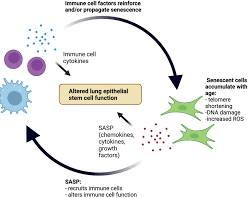
Another primary source is the accumulation of senescent cells—damaged cells that refuse to die, instead lingering in tissue and secreting a toxic cocktail of inflammatory chemicals known as the Senescence-Associated Secretory Phenotype (SASP). This inflammatory environment damages surrounding healthy cells, degrades the lining of blood vessels (leading to cardiovascular plaque accumulation), and directly impairs natural tissue regeneration.
High-Performance Consequences & Real-World Impact
Inflammaging does not turn into a clinical disease overnight. Instead, it slowly erodes daily performance and systemic resilience. It can manifest as chronic joint stiffness, recurring muscle aches, gut irritation, and neuroinflammation—which presents as unyielding brain fog, low motivation, and mild mood disturbances.
In clinical longevity circles, managing inflammation is approached with absolute precision. Progress is tracked through meticulous blood chemistry panels that monitor baseline fluctuations in $hs-CRP$, $IL-6$, and homocysteine.
By catching elevated trends early, individuals can implement targeted dietary adjustments, gut optimization protocols, and stress reduction frameworks to calm the immune system before permanent tissue damage occurs.
5. Heart Rate Variability (HRV) and Stress Balance
Heart Rate Variability (HRV) has emerged as one of the most accessible, non-invasive, and powerful biometrics available for real-time tracking of autonomic nervous system (ANS) function, systemic stress levels, and overall recovery capacity.
The Underlying Biological Mechanics
To understand HRV, you must realize that a healthy heart does not beat with the mechanical regularity of a metronome. If your heart rate is 60 beats per minute, it does not beat exactly once every 1.00 second. Instead, the interval between consecutive heartbeats—measured in milliseconds as the R-R interval—constantly varies (e.g., 1.12 seconds, 0.95 seconds, 1.04 seconds). This variation is called Heart Rate Variability.
This fluctuation is controlled by the delicate, continuous tug-of-war between the two competing branches of your Autonomic Nervous System:
Autonomic Branch
Role & Function
Impact on Heart Rate & HRV
Sympathetic Nervous System (SNS)
The “Fight or Flight” system; activated by stress, exercise, and cognitive demands.
Drives the heart rate up and pulls the intervals closer together, lowering HRV.
Parasympathetic Nervous System (PNS)
The “Rest and Digest” system; driven primarily by the vagus nerve to promote calm and recovery.
Slows the heart rate down and allows for natural variability between beats, raising HRV.
When an individual is healthy, well-rested, and biologically resilient, their parasympathetic system is highly active, resulting in a high, robust HRV. This indicates a system that is flexible and ready to adapt instantly to changing environmental demands.
Conversely, when an individual is buried under chronic psychological stress, systemic inflammation, or insufficient sleep, the sympathetic nervous system dominates. This leaves the body trapped in a perpetual state of stress, resulting in a suppressed, low HRV.
 HIGH HRV (Resilient System)
 ───▼───────▼───────────▼─────▼───────▼─── (Variable intervals = High Parasympathetic tone)

 LOW HRV (Stressed System)
 ───▼───▼───▼───▼───▼───▼───▼───▼───▼─── (Rigid intervals = High Sympathetic tone)
High-Performance Consequences & Real-World Impact
In high-pressure corporate and tech environments, tracking HRV provides an early-warning radar system for burnout and physical overtraining. A sharp, multi-day decline in baseline HRV indicates that the autonomic nervous system is losing its capacity to adapt to stress.
High-performance professionals use this metric to dynamically calibrate their daily routines. If an executive’s morning HRV reading drops significantly below their personal rolling baseline, they might adjust their day by:
Shifting highly demanding, stressful meetings or grueling workouts to a later date.
Prioritizing dedicated, active recovery protocols to prevent systemic exhaustion.
Ensuring their training and workload match their actual biological capacity for that specific day.
In modern wellness research, HRV is often used as a non-invasive indicator of stress adaptation capacity.
6. Cognitive Load Management
In modern knowledge-work economies, cognitive energy is an incredibly valuable, finite resource. High-intensity, cognitively demanding environments—such as software engineering, quantitative finance, or corporate leadership—can easily push the brain past its capacity for repair, leading to systemic neural fatigue if recovery mechanisms are neglected.
The Underlying Biological Mechanics
The human brain’s executive functions—such as strategic planning, problem-solving, and emotional regulation—are orchestrated within the prefrontal cortex (PFC). Sustained, high-intensity mental focus requires immense metabolic resources. The PFC relies on a steady supply of glucose and oxygen to maintain neurotransmitter balances (especially dopamine, norepinephrine, and acetylcholine) across synaptic networks.
When you subject the brain to long, uninterrupted stretches of high-stress focus without regular breaks, metabolic waste products (like adenosine) accumulate in the extracellular spaces of the brain. Simultaneously, the continuous synthesis of neurotransmitters begins to drain baseline reserves.
This issue is severely compounded by multitasking or “context switching”—the habit of constantly bouncing between emails, direct messages, and complex tasks. Every single context switch forces the brain to expend valuable energy resetting its focus parameters, a process known as cognitive switching cost.
Over time, this constant resource drain causes localized metabolic exhaustion in the PFC, altering neural network connectivity and shifting the nervous system into a protective, highly sensitive sympathetic state.
High-Performance Consequences & Real-World Impact
When cognitive load is poorly managed, the practical results are highly predictable: a sharp drop in processing speed, a reduced capacity for abstract problem-solving, increased creative friction, and emotional irritability.
Real-World Case: Imagine a senior developer or financial analyst in London working through an intense 10-hour sprint. They keep dozens of browser tabs open, field constant instant messages, and never step away from their desk. By hour six, they experience an invisible cognitive wall. Their reading speed slows down, they begin missing subtle bugs or structural errors, and tasks that usually take minutes stretch into hours. This is not a lack of willpower; it is a state of acute neuro-metabolic exhaustion.
To counteract this, modern health optimization protocols approach cognitive load with structural discipline:
The Pomodoro/Focus Cycle Strategy: Breaking the workday into 50–90 minute blocks of deep, single-task focus, separated by 5–10 minute periods of absolute mental rest (no phones, no reading).
Non-Sleep Deep Rest (NSDR): Utilizing short, structured 10–20 minute midday protocols (such as specific breathing exercises or yoga nidra) to quickly lower sympathetic activity and restore baseline neurotransmitter balance.
Rigorous Information Filtering: Designing strict digital boundaries to eliminate low-value, disruptive sensory inputs that drain daily cognitive reserves.
7. Nutrient Timing Consistency
While traditional nutritional science focus heavily on what you eat (caloric totals and macronutrient ratios), longevity frameworks place equal emphasis on when you eat. Nutrient timing consistency recognizes that the metabolic impact of food changes drastically depending on the biological time it is consumed.
As explored in circadian biology, peripheral metabolic organs—including the liver, pancreas, and gut—operate on daily biological clocks that line up with daylight hours. Human insulin sensitivity peaks in the morning and afternoon, mirroring our evolutionary design to process nutrients during active daylight.
As night approaches and melatonin levels rise to prepare the body for sleep, the pancreas slows down insulin production, and muscle tissue becomes naturally more resistant to insulin.
When eating patterns are erratic—such as skipping breakfast, grazing constantly through the day, or eating large meals late into the evening—it creates confusion across your metabolic signaling pathways. Consuming a carbohydrate-heavy meal late at night forces a sluggish pancreas to secrete insulin into a system that is trying to wind down.
This causes prolonged, elevated blood glucose levels, blocks the release of growth hormone, increases overnight core body temperature, and directly interferes with deep, restorative sleep phases.
📌 Example: A developer in London working long uninterrupted hours may experience reduced cognitive efficiency without structured recovery patterns.
High-Performance Consequences & Real-World Impact
Irregular, chaotic eating windows lead directly to baseline energy instability, unpredictable digestive health, and a slow, steady increase in systemic insulin resistance over time.
To maintain clean, stable energy profiles, high-performance nutritional protocols generally utilize a structured, daylight-aligned eating window:
Consuming the day’s largest metabolic and carbohydrate loads during peak active hours (midday), when the body’s digestive enzymes and insulin sensitivity are highest.
Establishing a strict, non-negotiable kitchen boundary at least 3 hours before bed to ensure the digestive system is completely at rest before sleep begins.
Adhering to highly consistent meal times day-to-day, which primes metabolic organs to expect and cleanly process incoming nutrients.
8. Sleep Architecture Optimization
In the realm of long-term health and daily performance, sleep is the ultimate, non-negotiable superpower. However, longevity protocols look far beyond total sleep duration. True recovery depends entirely on the health and balance of your sleep architecture—the sequential structure of distinct neurological stages that occur throughout the night.
┌──────────────────────────────────────────────────────────────────┐
│                   THE ARCHITECTURE OF A SLEEP CYCLE              │
├───────────────────────────────┬──────────────────────────────────┤
│ 1. LIGHT SLEEP (N1 & N2)      │ Heart Rate Drops, Body Temp Cools│
│                               │ Transition Phases (~50% of Night)│
├───────────────────────────────┼──────────────────────────────────┤
│ 2. DEEP SLEEP (N3 / Slow-Wave)│ Physical Cellular Repair         │
│                               │ Growth Hormone Release           │
├───────────────────────────────┼──────────────────────────────────┤
│ 3. REM SLEEP (Rapid Eye Mvmt) │ Emotional Processing             │
│                               │ Memory Consolidation & Synthesis │
└───────────────────────────────┴──────────────────────────────────┘
The Underlying Biological Mechanics
A single, healthy human sleep cycle lasts roughly 90–110 minutes and loops 4–6 times over the course of a normal night. Each stage serves a critical, specialized biological function:
Deep Sleep (Stage N3 / Slow-Wave Sleep): This phase dominates the first half of the night. During deep sleep, the brain triggers a massive release of growth hormone to stimulate cellular repair, tissue regeneration, and immune consolidation. Crucially, this is when the glymphatic system—the brain’s specialized waste-clearance network—opens up. It literally flushes the intercellular spaces of the brain with cerebrospinal fluid, washing away toxic metabolic waste proteins like beta-amyloid and tau before they can accumulate into neurodegenerative plaques.
REM Sleep (Rapid Eye Movement): This phase dominates the second half of the night. REM is the primary arena for cognitive repair. During REM, the brain processes the previous day’s experiences, moving memories from short-term storage in the hippocampus to long-term storage in the cortex. It builds new synaptic connections, processes emotional stress, and fosters creative insight.
If an individual has a high heart rate, elevated core temperature, or alcohol in their system when they sleep, their brain will stay trapped in light sleep stages for hours, severely shortchanging both Deep and REM sleep cycles.
High-Performance Consequences & Real-World Impact
You can sleep for 8 full hours, but if your sleep architecture is fractured or missing its deeper stages, you will still wake up feeling physically sore, mentally sluggish, and emotionally drained. A chronic shortage of deep sleep leaves the brain’s waste-clearance system offline, accelerating cellular aging and brain fog. A shortage of REM sleep directly reduces your ability to retain new information, focus through complex tasks, and handle high-stress situations calmly.
The human gastrointestinal tract is home to trillions of microorganisms, collectively known as the gut microbiome. Far from being a simple digestive tube, this complex ecosystem acts as a major control center that directly regulates systemic immunity, metabolic rate, systemic inflammation, and brain function.
A healthy, resilient gut microbiome relies on one primary factor: microbial diversity. When your diet includes a wide variety of plant fibers and polyphenols, diverse strains of beneficial bacteria (such as Lactobacillus, Bifidobacterium, and Akkermansia muciniphila) thrive. These bacteria digest complex fibers and produce vital compounds called Short-Chain Fatty Acids (SCFAs), particularly butyrate, acetate, and propionate.
SCFAs serve as the primary fuel source for the epithelial cells lining your gut, ensuring the tight junctions between those cells remain locked. This barrier keeps undigested food particles, toxins, and bacterial fragments (lipopolysaccharides, or LPS) securely inside the gut.
Additionally, the gut is connected directly to the brain via the vagus nerve—a bidirectional communication superhighway known as the gut-brain axis. Intestinal microbes actively synthesize or influence key neurotransmitters, including over 90% of the body’s serotonin and a substantial portion of its GABA.
When microbial diversity is lost due to a poor diet, chronic stress, or antibiotic overuse, the gut enters a state of dysbiosis. This breakdown thins the protective mucosal layer and compromises tight junctions, leading to intestinal permeability (commonly called “leaky gut”). When LPS fragments leak across this broken barrier into the bloodstream, they trigger an immediate, systemic immune response, causing widespread, low-grade chronic inflammation throughout the entire body.
High-Performance Consequences & Real-World Impact
Gut dysbiosis and the resulting systemic inflammation can present daily as chronic bloating, erratic digestion, systemic fatigue, and increased susceptibility to getting sick. Because of the gut-brain axis, an inflamed, unbalanced gut often leads directly to neuroinflammation, which surfaces as brain fog, low mood, and diminished cognitive resilience.
Advanced longevity protocols manage gut health through precise, data-driven strategies:
Utilizing deep metagenomic sequencing tests to identify exactly which bacterial strains are thriving or lacking.
Consuming a wide array of distinct plant foods each week to provide complex prebiotic fibers for diverse bacterial strains.
Incorporating high-quality fermented foods (such as kimchi, kefir, and kraut) to naturally seed beneficial live cultures.
Protecting the physical gut lining by avoiding inflammatory triggers like emulsifiers, artificial additives, and unnecessary medications.
In demanding, fast-paced environments, eliminating stress entirely is an unrealistic goal. Therefore, longevity science shifts the focus away from avoiding stress and toward building highly proactive, structured stress recovery systems. The goal is to prevent acute daily stress from compounding into dangerous, chronic biological strain.
When you face a stressor—whether it’s a physical threat or a high-stakes corporate emergency—the body activates its Sympathetic Nervous System and triggers the Hypothalamic-Pituitary-Adrenal (HPA) axis. This results in a sudden surge of adrenaline, noradrenaline, and cortisol. This survival mechanism is brilliantly designed to temporarily elevate blood pressure, sharpen focus, and mobilize energy reserves.
However, human biology was never designed to hold this high-alert state indefinitely. When stress is unyielding and lacks clear endings, the HPA axis becomes overstimulated and exhausted. This chronic overload leads to a condition called high allostatic load—the accumulated wear and tear on tissues and biological systems from sustained chemical stress.
Prolonged, elevated cortisol levels break down lean muscle mass, thin the stomach lining, impair the immune system, and damage the hippocampus, the brain’s critical center for memory and emotional control.
To stop this damage, you must actively trigger the parasympathetic nervous system to send a clear biological signal that the threat has passed, allowing the body to safely enter a state of rest, repair, and recovery.
High-Performance Consequences & Real-World Impact
Without intentional recovery systems, chronic stress accumulates quietly, showing up as physical exhaustion, fragmented sleep, a dropping baseline HRV, and emotional burnout.
High-performance protocols do not leave recovery to chance; they treat it as a disciplined practice by weaving specific, evidence-based parasympathetic triggers into the daily routine:
The Power of the Breath: Utilizing the Physiological Sigh—two quick inhales through the nose followed by a long, slow exhale through the mouth. Doing this just 3–5 times immediately slows the heart rate and shifts autonomic balance toward calm via the baroreceptor reflex.
Deliberate Decompression Windows: Creating a non-negotiable, 30-minute transition period at the end of the workday to separate intense work from evening home life. This block is dedicated to low-stimulation activities like walking, gentle mobility stretching, or mindfulness.
Thermal and Sensory Decompression: Using floating tanks, sensory deprivation, or infrared saunas to dramatically lower ambient neural stimulation, giving the central nervous system a chance to fully reset.
11. Glucose Stability Awareness
While metabolic stability looks at long-term systemic health, glucose stability awareness focuses on real-time data tracking. It looks closely at how daily meals, stress levels, and activity patterns cause immediate fluctuations in blood sugar, and how those swings impact your focus, mood, and performance throughout the day.
The Underlying Biological Mechanics
With the widespread adoption of Continuous Glucose Monitors (CGMs)—small, wearable sensors that track glucose levels in the interstitial fluid just beneath the skin—this data has become a core asset for performance optimization.
When you eat a meal high in refined carbohydrates or simple sugars, your blood glucose levels surge rapidly. In response, the pancreas releases a massive spike of insulin to clear that sugar from the blood.
This aggressive insulin response often works too efficiently, causing a rapid, steep drop in blood sugar below your normal baseline—a physiological state known as reactive hypoglycemia.
This sudden crash throws the body into a state of acute energy deprivation. Even though there is plenty of stored energy available elsewhere in the body, the rapid drop in blood sugar triggers a mild survival response. This survival surge releases stress hormones like adrenaline and cortisol to help mobilize glucose stores, causing unexpected feelings of anxiety, hunger, and physical restlessness.
High-Performance Consequences & Real-World Impact
The practical, day-to-day cost of glucose volatility is an unpredictable, roller-coaster ride of physical energy and mental focus.
Real-World Case: Consider a professional working in Toronto who sits down for a large, carbohydrate-heavy lunch (like a large bowl of pasta or a sugary sandwich meal). Within 45 minutes of finishing, their blood sugar spikes, followed by a sharp insulin-driven crash. By 2:00 PM, they are hit with intense post-meal fatigue, an inability to focus on a spreadsheet or presentation, and strong cravings for sweets or more caffeine to wake back up.
By utilizing real-time glucose tracking, individuals can see exactly how their body reacts to specific foods and combinations. This data allows them to implement simple, highly effective behavioral adjustments to level out their daily energy curves:
Strategic Food Sequencing: Eating fiber, protein, and healthy fats before touching any carbohydrates during a meal. This order significantly slows gastric emptying, leading to a gentle, smooth glucose curve rather than a sharp spike.
The Post-Meal Walk: Engaging in just 10–15 minutes of light walking immediately after eating. This low-intensity movement coaxes skeletal muscles to pull glucose directly from the bloodstream for fuel without needing an insulin spike, flattening the overall glucose curve.
Smart Carbohydrate Matching: Tailoring your carbohydrate intake to match your actual physical activity levels, ensuring your fuel consumption aligns with what your body will burn.
12. Movement and Daily Activity Patterns
Physical exercise is arguably the most powerful, wide-reaching longevity drug available to modern science. It influences almost every marker of healthspan simultaneously. However, optimal longevity protocols differentiate clearly between structured, high-intensity exercise sessions and your baseline level of daily movement.
The Underlying Biological Mechanics
The benefits of physical movement can be broken down into three distinct, essential training intensities:
High-Intensity Training (VO2 Max): Your VO2 Max—the maximum amount of oxygen your body can utilize during intense exercise—is one of the strongest statistical predictors of all-cause mortality. Building a high VO2 Max requires intense training that forces the heart to pump maximum stroke volume, strengthening the heart muscle, expanding lung capacity, and keeping blood vessels flexible and compliant.
Steady-State Training (Zone 2 Aerobic Exercise): This refers to steady exercise at a pace where you can maintain a conversation but it requires noticeable effort. Zone 2 specifically trains your type I skeletal muscle fibers, forcing them to maximize mitochondrial density and become exceptionally efficient at burning fat for fuel. This builds a deep layer of metabolic flexibility and cardiovascular health.
Low-Intensity Movement (NEAT): Non-Exercise Activity Thermogenesis covers all the movement you do outside of structured workouts—like walking, standing, cleaning, and moving around. Continuous, low-intensity movement keeps your cellular machinery active all day. It maintains healthy blood flow, pumps lymphatic fluid to clear cellular waste, and keeps your muscles primed to absorb glucose, preventing the insulin resistance that sets in from hours of sitting still.
High-Performance Consequences & Real-World Impact
Even if you work out intensely for an hour every single morning, sitting completely still at a desk for the next eight hours straight still carries significant health risks—a pattern researchers call the “active couch potato” phenomenon. Prolonged sitting turns down key fat-burning enzymes like lipoprotein lipase, stalls blood circulation, and causes postural muscles to tighten and weaken.
To combat this, longevity protocols focus heavily on weaving continuous movement into the fabric of the entire day:
Using Dynamic Workstations: Utilizing adjustable sit-stand desks or under-desk walking treadmills to change postures and keep the body moving while working.
Taking Short Movement Snacks: Setting an alarm to stand up every 45–60 minutes to perform 2 minutes of air squats, calf raises, or a quick walk down the hall to restart blood flow and reset posture.
Committing to Daily Step Goals: Tracking baseline daily movement with a target of 8,000–12,000 steps per day, treating general movement as just as essential as a structured gym session.
Why These Concepts Are Often Misunderstood
The conversation around longevity science is frequently distorted by media sensationalism, oversimplified marketing narratives, and a fundamental misunderstanding of how human biology works.
When you look at how these topics are commonly presented, three major issues consistently show up:
The Trap of the “Magic Bullet”: Media headlines love to highlight singular, flashy interventions—like a new molecule, an extreme cold-plunge routine, or an exotic supplement—proclaiming it as the ultimate secret to reversing aging. This encourages people to look for quick fixes while ignoring foundational health habits.
The Misuse of Scientific Terms: Marketing campaigns frequently hijack complex words like “cellular reprogramming,” “autophagy,” or “mitochondrial optimization” to sell products that lack rigorous clinical backing or human trial data.
The Flaw of Fragmented Thinking: Many people treat health metrics like a checklist of disconnected problems, trying to fix a single biomarker with a specific pill while failing to see how their lifestyle choices affect their entire biology.
True longevity medicine does not look at the body as a collection of isolated parts. It approaches human biology from a systems-level perspective, understanding that every choice you make ripples across your entire internal network.
Systems Perspective on Longevity
The core truth of modern systems biology is simple: human health operates as an intensely interconnected network of feedback loops. No biological system, organ, or biomarker functions in a vacuum. Every single mechanism we have explored in this guide is constantly communicating with, influencing, and altering the behavior of the others.
Core Variable
Direct Interconnected Biological Impacts
Optimized Sleep Architecture
Directly lowers systemic cortisol, calms the sympathetic nervous system, restores insulin sensitivity, and activates the glymphatic system to cleanse brain tissue.
Chronic Psychosocial Stress
Triggers leaky gut by weakening intestinal tight junctions, drives systemic inflammation ($hs-CRP$), causes severe glucose volatility, and fractures deep sleep cycles.
Robust Gut Microbiome
Synthesizes critical neurotransmitters to stabilize mood via the vagus nerve, produces anti-inflammatory short-chain fatty acids, and protects the systemic vascular lining.
Consistent Daily Movement
Maximizes cellular insulin sensitivity, stimulates mitochondrial biogenesis, lowers resting blood pressure, and drives parasympathetic tone to elevate baseline HRV.
When you change one variable in this network, you create a wave of effects across the entire system. If you try to optimize your metabolism without addressing poor sleep, or if you take supplements for inflammation while ignoring chronic stress, you are working against your own biology. Real, sustainable progress happens when you stop looking for isolated fixes and focus on building steady, consistent harmony across your entire biological network.
Real-World Global Context
The way these health optimization and longevity concepts are adopted varies significantly around the world, shaped by local cultures, corporate environments, and healthcare systems:
United States (Silicon Valley & New York): This culture approaches health with an intense focus on performance, data-driven tracking, and personal metrics. It relies heavily on wearable devices, continuous blood chemistry monitoring, and advanced biomarkers to optimize cognitive sharpness, metabolic health, and daily productivity.
United Kingdom (London): In this fast-paced financial and professional landscape, the focus shifts toward managing cognitive load, building stress resilience, and utilizing structured physical recovery systems to counter the demands of high-pressure corporate careers.
Canada (Toronto): There is a steadily growing focus on metabolic tracking and glucose stability awareness. More and more professionals are using tools like continuous glucose monitors to manage daily energy profiles and prevent metabolic decline early.
Singapore: This hub excels at blending advanced preventive wellness frameworks directly into both clinical systems and forward-thinking corporate wellness environments, making proactive health optimization a structural priority.
Key Insight: Stability Matters More Than Optimization
The most vital takeaway from modern longevity research is this: biological stability and daily consistency matter far more than extreme, short-term optimization hacks.
Human biology thrives on predictability, rhythmic alignment, and steady baseline habits. Pushing your body through extreme, exhausting training programs, survival-level fasting protocols, or overwhelming supplement routines often backfires. These aggressive, short-term approaches can overtax your nervous system, disrupt hormonal balance, and create high levels of biological stress.
True healthspan extension is built on a foundation of steady, sustainable daily patterns. Sleeping soundly at the same times each night, keeping your blood sugar stable throughout the day, walking regularly, and managing psychological stress will always yield more powerful results than any trendy health hack. The path to longevity is found in building a resilient, stable foundation that protects your biology day after day, year after year.
Frequently Asked Questions (FAQ)
1. What are longevity protocols?
They are structured, data-driven combinations of lifestyle habits, behavioral routines, and proactive clinical tracking. They are explicitly designed to maintain baseline homeostasis, protect metabolic and cellular health, and optimize your overall healthspan.
2. Are Silicon Valley longevity protocols real?
There is no secret, proprietary system exclusive to tech professionals. The term simply describes a highly structured, data-focused application of well-established, publicly available scientific fields—such as circadian biology, exercise physiology, and metabolic research.
3. Do these protocols extend lifespan?
Their primary, scientifically backed objective is to maximize healthspan—ensuring you live your life with vibrant physical mobility, clear cognitive function, and stable metabolic energy. While building a highly resilient body naturally lowers the risks of chronic illness, they do not offer guaranteed extensions to maximum lifespan.
4. What is the single most important factor in a longevity framework?
System-wide biological stability. Human biology functions as an interconnected network. Maintaining steady, predictable consistency across your sleep architecture, metabolic pathways, daily movement, and stress recovery systems will always create a far greater impact than any isolated supplement or health trend.
5. Can anyone follow longevity principles?
Absolutely. While high-performance cultures often use advanced tracking devices and detailed lab testing, the core foundations—such as viewing morning sunlight, eating balanced meals at consistent times, walking regularly, and prioritizing deep sleep—rely on accessible, foundational lifestyle habits that anyone can practice.
Final Thoughts
Modern longevity science is shifting away from fragmented optimization approaches toward systems-based health understanding. Rather than focusing on isolated interventions, the emphasis is on maintaining stability across interconnected biological systems.
The most sustainable improvements come not from extreme protocols, but from consistent alignment of sleep, metabolism, stress, and movement patterns over time.
Disclaimer:This article is for educational and informational purposes only. It does not constitute medical advice, diagnosis, or treatment. Longevity-related concepts and biometrics should be used to support general wellness understanding and personal health optimization under the supervision of a qualified professional healthcare provider.
Content on BioHelixa is created by Puma U, a certified Lab Technician (DMLT) with over 10 years of experience in public health and laboratory science, including clinical exposure within India's National Rural Health Mission (NRHM). His background in laboratory diagnostics and metabolic science provides practical insight into how cellular biology, hormones, and bio-tracking influence human performance.
📋 Editorial Review
Select health-related content on BioHelixa may be reviewed by Dr. Prashant G (MBBS), a practicing medical doctor, to support general accuracy and improve content quality. This review is intended for educational quality assurance only and does not represent formal medical certification or individualized medical advice.
⚠️ Disclaimer: This content is for educational and informational purposes only and is not intended as a substitute for professional medical advice, diagnosis, or treatment.