Over the past decade, the concept of biohacking has transitioned from an underground, niche subculture into an expansive, multi-billion-dollar global wellness movement. This phenomenon is particularly visible in high-performance economic hubs across the globe, including the United States, the United Kingdom, Canada, Australia, Germany, and Singapore. Equipped with an array of consumer technologies, advanced biometric trackers, personalized supplement formulations, rigid fasting schedules, and targeted red light therapy arrays, thousands of health-conscious individuals are actively trying to “optimize” their daily biology. The modern professional is no longer content with merely avoiding illness; the new objective is the conscious engineering of peak physical and cognitive performance.
However, a growing number of self-optimizers eventually reach a frustrating, costly, and confusing roadblock. Despite meticulously stacking multiple high-tier biohacks, their progress inevitably plateaus, or worse, their daily energy levels and cognitive clarity become highly volatile. They find themselves sleeping eight hours according to their wearable tracker yet waking up exhausted, or maintaining perfectly flat glucose curves while still battling stubborn brain fog and mid-afternoon fatigue.
This widespread performance plateau raises a fundamental, necessary scientific inquiry that the wellness industry frequently overlooks: Why do isolated, targeted interventions consistently fail to produce sustainable, long-term biological improvements in the human organism?
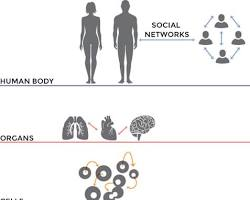
The answer to this problem does not lie in purchasing a more expensive gadget or taking an additional handful of exotic supplements. Instead, it requires a complete paradigm shift toward a discipline that forms the backbone of modern clinical medicine, computational pharmacology, and evolutionary biology: systems biology. Unlike traditional reductionist thinking—which views the human body as a basic mechanical assembly of independent, interchangeable parts—systems biology treats the living organism as a deeply integrated, highly dynamic, non-linear network of constantly interacting pathways.
When you understand this structural perspective, it becomes clear exactly why many advanced biohacks backfire, stall, or plateau when they are applied as standalone solutions. This comprehensive guide will break down the science of systems biology, explore the biological loops that govern your health, and detail how to transition from a chaotic “stacking” mindset into a synchronized, systems-based optimization framework.
What Is Systems Biology?
To understand why your current optimization protocols might be missing the mark, we must first define the scientific parameters of systems biology. Systems biology is an interdisciplinary field of study that focuses on complex interactions within biological systems, using a holistic, data-driven approach rather than reducing an organism down to its individual components.
For centuries, classical scientific research relied heavily on reductionism—the practice of breaking a complex system down into its smallest pieces to study them in isolation. While reductionism gave us a brilliant understanding of individual genes, isolated enzymes, and specific cell receptors, it fundamentally fails to predict how those pieces behave when they are put back together inside a living, breathing human being.
Instead of analyzing a single biological variable in a complete vacuum—such as tracking isolated morning cortisol levels, measuring a single fasting glucose data point, or monitoring heart rate variability over a single hour—systems biology mathematically maps out how multiple complex networks interact simultaneously. In a living system, the whole is not merely the sum of its parts; the interactions between the parts are what dictate your actual health, energy, and cognitive performance.
When we look at the human body through this systemic lens, we observe five primary, overlapping networks that are constantly sharing data and adjusting their behaviors in real-time:
1. Metabolic Networks
This network governs how your cells turn nutrients into raw survival assets. It includes the absolute efficiency of your mitochondrial electron transport chain, glucose disposal rates in skeletal muscle, fatty acid oxidation within hepatic tissue, and the continuous production and recycling of Adenosine Triphosphate (ATP)—the fundamental energy currency of human life.
2. Hormonal Control Cascades
The endocrine system functions as a slow-acting, long-range chemical communication network. This includes the delicate balance of the insulin-glucagon axis, thyroid hormone conversion metrics, and the highly sensitive Hypothalamic-Pituitary-Adrenal (HPA) axis, which orchestrates your systemic response to psychological and physiological stress inputs.
3. Autonomic Nervous System Regulation
This is your body’s rapid-response communication highway. It operates via a constant, real-time tug-of-war between the sympathetic branch (the “fight-or-flight” accelerator designed to mobilize resources during perceived danger) and the parasympathetic branch (the “rest-and-digest” braking system designed to govern cellular repair, digestion, and deep recovery).
4. Immune Signaling Pathways
Far more than a simple defense force against external pathogens, the modern immune network is a complex cellular signaling system. It utilizes circulating proteins called cytokines to continuously communicate the body’s internal inflammatory status across the blood-brain barrier, directly impacting neural tissue and systemic metabolic efficiency.
5. Gene Expression Networks
Your DNA is not a fixed, unalterable blueprint; it is a highly dynamic library of options. Through epigenetic modification, transcription factor behaviors are continuously turned up or down based on real-world environmental inputs, including nutrient density, light exposure, sleep latency, and systemic emotional states.
Why Traditional Biohacking Often Fails
The vast majority of modern biohacking protocols fail because they rely heavily on the flawed premise of isolated optimization. The prevailing trend encourages consumers to purchase a single tool to target a single perceived problem. This reactive approach has led to a highly fragmented, checklist-driven wellness routine:
You purchase a high-tech sleep tracker to artificially track, score, and force a better recovery metric.
You swallow an expensive, multi-ingredient supplement stack targeted strictly at “mitochondrial support” or cellular longevity.
You plunge into a tub of freezing water for several minutes to rapidly accelerate athletic muscle recovery or burn fat.
You wear a Continuous Glucose Monitor (CGM) to micromanage, flatten, and prevent post-meal glucose spikes.
You force yourself into narrow, rigid intermittent fasting windows to drive fat loss and achieve metabolic flexibility.
While each of these specific interventions holds valid, peer-reviewed scientific merit when evaluated inside an isolated laboratory setting, serious physiological friction occurs when they are treated as entirely independent variables in daily life.
The Core Systemic Reality: The human body does not operate via linear, parallel pathways. Every single intervention you introduce triggers an immediate, multi-layered ripple effect across multiple interconnected sub-systems simultaneously. You cannot manipulate one pathway without forcing a compensatory adaptation across the rest of the network.
The Reductionist Problem in Biohacking
Traditional reductionist thinking simplifies highly complex, non-linear biological systems into overly basic cause-and-effect equations. The reductionist mindset operates on the assumption that if you fix a single input, you will get a predictable, isolated output. This logic is typically expressed in straightforward, linear assumptions:
$$\text{Fix Sleep Metrics} \longrightarrow \text{Fix Total Biological Recovery}$$
$$\text{Flatten Glucose Spikes} \longrightarrow \text{Optimize Total Metabolic Function}$$
However, biological networks do not behave in a linear fashion. In a linear system, if you double the input, you double the output ($1 + 1 = 2$). In a non-linear biological network, a minor change to a single variable can trigger a massive, exponential cascade across the entire system ($1 + 1 = 10$), or conversely, a massive intervention can result in absolutely zero visible change because an internal feedback loop stepped in to blunt the effect ($1 + 1 = 0$). When you aggressively pull on one specific thread of your biology, the entire web shifts its structural balance to compensate.
The Sleep Optimization Failure Analogy
To view this reductionist failure in action, consider a modern professional living in a high-stress urban environment like London. This individual recognizes that they are feeling chronically fatigued, so they decide to use a classic reductionist approach: they target their sleep node. They invest thousands of dollars in high-end blackout curtains, precise ambient room cooling systems, blue-blocking eyewear, and an advanced wearable biometric tracker.
Night after night, they follow a strict wind-down routine. Their wearable dashboard rewards them with pristine metrics: an “optimal” 8.5 hours of total sleep duration, excellent deep sleep percentages, and a high overall recovery score. Yet, despite these idealized digital readouts, they wake up every morning feeling unrefreshed, dependent on caffeine, and plagued by heavy mid-afternoon energy crashes.
Under a reductionist framework, this outcome is an administrative impossibility—the sleep score is perfect, therefore recovery must be achieved. However, under a systems biology lens, the explanation is incredibly clear.
While the individual optimized their environmental sleep architecture, their brain is still processing a heavy cognitive workload and intense psychological anxiety from their career. This chronic mental stress keeps their HPA-axis in a state of hyper-vigilance, flooding their bloodstream with elevated nocturnal cortisol and adrenaline.
Even though they are physically unconscious for 8.5 hours, these elevated stress hormones alter their cellular dynamics. High nocturnal stress blunts the natural release of growth hormone, limits deep cellular repair, and triggers liver gluconeogenesis (the production of internal glucose from non-carbohydrate sources). Consequently, they spend the night in a state of high metabolic alertness.
Because sleep duration is merely a single node inside a vastly larger, interconnected physiological web, it completely lacks the structural capacity to override severe, systemic imbalances occurring elsewhere across the network.
What Systems Biology Changes
Transitioning to a systems biology approach completely rewires how you view your physical performance. It shifts your focus away from chasing individual symptoms or isolated biomarkers and forces you to analyze the structural stability, network resilience, and communication efficiency of your entire organism.
To see this shift clearly, let us compare how a reductionist biohacker views health parameters versus how a systems biologist analyzes the identical information:
The Reductionist Biohacking Model
The Systems Biology Framework
Views the human body as a basic machine with isolated, modular parts.
Views the human body as an integrated, evolving, adaptive network.
Asks: “What single biomarker or hormone is currently outside the laboratory range?”
Asks: “How are separate physiological systems currently interacting with one another?”
Relies on a reactive strategy: “Take this specific pill or supplement to fix that specific output.”
Relies on a proactive strategy: “How will changing this single input affect downstream network stability?”
Focuses entirely on maximizing individual metrics (e.g., maximizing deep sleep, minimizing glucose).
Focuses on optimizing network resilience, feedback sensitivity, and homeostatic balance.
Assumes all biological responses are linear, predictable, and immediately visible.
Recognizes that biological responses are non-linear, coupled, and often delayed.
Key Principle: Feedback Loops Control Everything
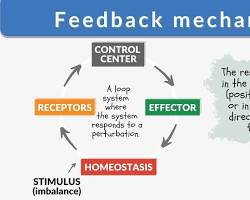
One of the foundational tenets of systems biology is that all living organisms are completely governed by self-regulating feedback loops. These loops serve as the brain’s internal monitoring software, ensuring that no single physiological system runs completely off the rails. Without these continuous loops, your biology would quickly spiral into chaotic instability and systemic failure.
                  Types of Biological Feedback Loops
                                   |
         +-------------------------+-------------------------+
         |                                                   |
         v                                                   v
[ Positive Feedback Loops ]                         [ Negative Feedback Loops ]
Act as biological amplifiers.                       Act as biological stabilizers.
Drives a system further away                        Pulls a system back into balance
from its baseline state.                            when an internal threshold is crossed.
Example: Inflammatory cytokine cascades.           Example: The insulin-glucagon axis.
The Downside of Over-Optimization: A Metabolic Case Study
To truly grasp how feedback loops can neutralize a well-intentioned biohack, look closely at the modern practice of extreme dietary micromanagement. Consider an individual who becomes obsessed with flattening their blood sugar curves. To avoid even the slightest post-meal glucose elevation, they eliminate all carbohydrates, dramatically restrict their caloric intake, and aggressively supplement with glucose-disposal agents before every meal.
Initially, their reductionist goal is achieved: their CGM reads as a perfectly flat line. They believe they have successfully optimized their metabolism. However, behind the scenes, their negative feedback loops are actively registering this prolonged absence of dietary energy as a severe environmental famine.
In response to this perceived energy crisis, the hypothalamus signals the pituitary gland, which instructs the adrenal glands to secrete steady amounts of cortisol. Cortisol is a glucocorticoid—its primary evolutionary job is to raise blood sugar to keep you alive during periods of starvation. The body begins breaking down precious skeletal muscle tissue through a process called proteolysis to convert amino acids into glucose via the liver.
Simultaneously, the thyroid down-regulates the conversion of inactive T4 into active T5 hormone, slowing down your baseline metabolic rate to conserve energy reserves. Within a few months, this individual experiences cold intolerance, hair thinning, low libido, and severe afternoon fatigue—all while staring at a “perfectly optimized” flat glucose line on their smartphone.
This systemic collapse occurred because they attempted to force an output while completely ignoring the complex network of feedback loops that actively control metabolic homeostasis.
Why Biohacks Fail at the Systems Level
The fundamental reason that modern biohacking stacks eventually fail or plateau is that they are designed to target downstream physiological outputs rather than addressing the structural, upstream network architecture. When you focus entirely on a metric, you are essentially trying to fix a broken car by simply painting over the warning lights on the dashboard.
Let’s dissect four highly popular, advanced biohacking tactics to reveal the hidden systemic variables that a reductionist approach completely fails to account for:
Continuous Glucose Monitors (CGMs)
The Downstream Target Output: Tracking real-time interstitial glucose fluctuations and eliminating post-prandial spikes.
The Missing Systemic Variable: This approach completely ignores the role of psychological stress, poor gut health, and systemic tissue inflammation. A flat glucose line achieved through constant biochemical stress simply masks underlying insulin receptor insensitivity and elevated systemic cortisol loads.
Deliberate Cold Water Exposure
The Downstream Target Output: Triggering an acute surge in norepinephrine, accelerating athletic muscle recovery, and stimulating brown adipose tissue activation.
The Missing Systemic Variable: This protocol fails to account for your total, cumulative daily stress load. If an individual is already suffering from advanced central nervous system fatigue and high emotional strain, adding an aggressive sympathetic shock like freezing water simply overloads their HPA-axis, worsening systemic burnout.
Isolated Supplement Stacks
The Downstream Target Output: Flooding the system with high doses of specific micronutrients, coenzymes, or compounds to target a single metabolic pathway.
The Missing Systemic Variable: This tactic completely ignores gastrointestinal tract absorption capacity, liver clearance efficiency, and cellular transport dynamics. If your gut lining is chronically inflamed, swallowing a massive handful of expensive longevity supplements will simply irritate your digestive system without ever reaching your cells.
Advanced Biometric Wearables
The Downstream Target Output: Tracking autonomic nervous system balance through heart rate variability (HRV) and deep sleep staging.
The Missing Systemic Variable: These consumer devices cannot track deep psychological anxiety, subconscious emotional strain, acute cognitive fatigue, or subtle circadian rhythm mismatches. Relying completely on a digital score can trick you into ignoring genuine, real-time intuitive signals from your own body.
Real-World Case Study: “Optimized but Still Fatigued”
To see how these abstract systems biology concepts manifest in everyday life, let us analyze a detailed case study that plays out across major global corporate hubs every single day.
The Subject
A 34-year-old senior technology professional working in the high-stakes corporate environment of San Francisco. They are highly dedicated to their career, working 60 hours a week under intense mental pressure, while simultaneously committing to an elaborate, high-effort self-optimization routine.
The Reductionist Biohacking Routine
They wear a Continuous Glucose Monitor (CGM) and adhere to a strict, low-carbohydrate ketogenic diet to maintain steady energy.
They wear an advanced biometric smart ring, tracking their sleep data to ensure they hit precise deep and REM sleep targets.
They swallow a comprehensive, 15-ingredient daily supplement stack designed to maximize mitochondrial ATP production and cellular longevity.
They perform a 3-minute deliberate cold plunge at 45°F every single morning to stimulate focus, alertness, and physical resilience.
They practice a rigid 18:6 intermittent fasting protocol, delaying their first meal until 2:00 PM every day.
The Real-World Outcome
Despite executing this intensive checklist with near-perfect consistency, their physical reality is highly frustrating. They continue to battle persistent, heavy afternoon energy crashes at 3:00 PM every day. They experience a persistent layer of cognitive brain fog that makes complex problem-solving difficult, and their workout recovery times are incredibly slow, leaving them sore for days after a basic weight-training session.
The Systems Biology Interpretation
Under a traditional wellness model, this individual’s routine looks flawless—they are hitting every popular health trend simultaneously. However, when we apply a systems biology lens, we quickly locate the exact points of friction where their separate biological networks are crashing into one another:
                  The Collision of Conflicting Biological Inputs
                                         |
    +------------------------------------+------------------------------------+
    |                                                                         |
    v                                                                         v
[ Intermittent Fasting + Keto ]                                   [ High-Stress Tech Career ]
Sends an environmental signal of                                  Sends an environmental signal of
severe caloric scarcity.                                          continuous psychological danger.
    \                                                                         /
     \                                                                       /
      v                                                                     v
+-------------------------------------------------------------------------------+
|                        The Hypothalamus Intercept                             |
|  The brain integrates these conflicting inputs and concludes the organism is   |
|  under active survival threat. It down-regulates thyroid output and slows     |
|  mitochondrial respiration to conserve resources, creating chronic fatigue.    |
+-------------------------------------------------------------------------------+
The flat glucose line on their CGM screen is not a sign of healthy metabolic flexibility; it is being forced through extreme dietary restriction. When you combine strict carbohydrate deprivation with prolonged intermittent fasting and a high-stress corporate career, you are sending your brain a highly toxic combination of environmental signals.
Your hypothalamus processes these inputs and concludes that the organism is facing an immediate survival threat: a severe famine occurring during a time of high environmental danger. To protect you, your body activates its homeostatic defense mechanisms. It down-regulates thyroid hormone conversion, slows down mitochondrial respiration to conserve precious energy reserves, and increases systemic fluid retention.
The afternoon energy crashes and cognitive brain fog are not a sign of a supplement deficiency; they are the direct, logical result of an intelligent biological network that has intentionally slowed down its metabolic engine to ensure your survival.
The Body as a Network, Not a Machine
The foundational error of modern biohacking lies in its deep-seated metaphorical framework. The wellness industry frequently treats the human body like an industrial machine or a computer code: If you want more power, upgrade Part A; if there is a glitch, rewrite Code B, and the entire system will automatically run faster.
Systems biology proves that the human body does not function like a linear machine. Instead, it operates like a fluid, biological network or an ecosystem. In a machine, components are modular and isolated. If you replace a worn-out spark plug in a car, the steering wheel and the exhaust pipe remain completely unaffected.
But in a biological network, all variables are tightly coupled. When you deliberately alter variable A, you are simultaneously changing the functional state of variables B, C, D, and E.
       Machine Framework (Linear)              Ecosystem Framework (Networked)

       [Fix A] ---> [Improves B]                   [Modify Variable A]
                                                      /     |     \
                                                     v      v      v
                                                 [Alters B] [C] [Shifts D]
                                                            |
                                                            v
                                                       [Transforms E]
This deeply coupled structural architecture explains why aggressive, isolated interventions frequently yield unexpected biological side effects, delayed homeostatic pushback, or highly unpredictable long-term health outcomes. You cannot change a single aspect of your physiology without causing a dynamic rebalancing across your entire system.
The Concept of “Biological Coupling”
To apply systems biology effectively, you must understand the concept of biological coupling. This terms refers to the specialized pathways through which completely distinct organ systems communicate, share information, and balance one another out.
There are four primary examples of biological coupling that dictate your daily performance:
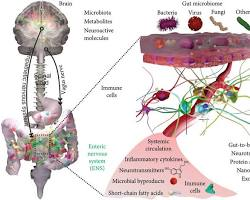
The Gut-Brain Axis: Your gastrointestinal tract and your central nervous system are in constant, bidirectional communication via the vagus nerve. The trillions of microbes residing within your gut microbiome produce over 90% of your body’s baseline serotonin and a vast percentage of its dopamine precursors. If your gut lining is chronically irritated by poor nutrition or food sensitivities, it sends inflammatory distress signals directly across the blood-brain barrier, triggering neuroinflammation that manifests as low mood, anxiety, and severe brain fog.
Sleep Architecture and Glucose Regulation: Your endocrine and metabolic networks are tightly coupled with your circadian rhythm. Even a single night of partial sleep deprivation (sleeping 4-5 hours) immediately compromises your insulin sensitivity the following morning by up to 40%. It does this by elevating early-morning growth hormone and disrupting cortisol clearance. Trying to fix your blood sugar without first fixing your sleep architecture is a biological impossibility.
Psychological Stress and Immune Function: Your thoughts and emotions have a direct, physical impact on your immune network. When your brain processes chronic psychological worry, it shifts the autonomic nervous system into a state of continuous sympathetic dominance. This neural shift alters the distribution of white blood cells, increases the production of pro-inflammatory cytokines, and actively blunts your body’s baseline antiviral defenses.
Chronic Inflammation and Mitochondrial Efficiency: Your immune signaling pathways directly impact your cellular energy generation. When circulating inflammatory cytokines are chronically elevated due to poor tissue health, latent infections, or environmental toxins, they enter the cell and physically disrupt the delicate membrane potential of your mitochondria. This forces your cells to shift away from highly efficient aerobic respiration toward inefficient glycolysis, reducing your total ATP output and leaving you feeling chronically exhausted.
Why Wearables Alone Don’t Solve the Problem
Modern biometric wearables are incredible pieces of consumer engineering. They are exceptionally accurate at recording downstream cardiorespiratory metrics, such as resting heart rate, skin temperature, sleep staging transitions, and autonomic variance. However, it is vital to recognize that they operate with significant blind spots.
A consumer tracker cannot measure your current emotional load, your acute cognitive fatigue, your intracellular micronutrient deficiencies, or the real-time energy dynamics occurring within your cells. This metrics gap frequently creates a dangerous data illusion: Amassing a larger quantity of data points does not automatically yield a better understanding of your biological reality.
If you are interpreting vast amounts of advanced biometric data through an outdated, linear, reductionist lens, you are simply measuring a systemic problem with greater digital precision. True optimization requires you to look beyond the screen of your smartphone and learn to read the subjective, qualitative signals that your body is constantly sending you.
A Systems Biology Approach to Optimization
To break through your current health plateau and build genuine, long-term physical resilience, you must transition away from random protocol stacking and adopt an integrated framework built on network logic.
Instead of asking, “What new biohack can I add to my routine today?” you should begin implementing a systematic four-step optimization process:
1. Identify and Unclog System Bottlenecks
Find the single point of failure that is currently compromising the rest of your biological network. If you are sleeping poorly due to chronic airway restriction, unmanaged psychological stress, or structural sleep apnea, adding an expensive longevity supplement or a cold plunge will not restore your baseline energy. Address the primary bottleneck first, and the rest of your biological networks will instantly expand their capacity.
2. Drastically Reduce System Noise
Stop sending your body conflicting, chaotic environmental signals. Avoid pairing intense fasting protocols with high-intensity interval training while simultaneously enduring high emotional strain at your career. This combination floods your system with overlapping distress signals. Focus on creating a clean, predictable internal environment so your feedback loops can normalize.
3. Stabilize Internal Feedback Loops
Prioritize long-term behavioral consistency over short-term intervention intensity. Your genome evolved over millions of years to expect highly predictable, rhythmic environmental inputs. Establish a rock-solid foundation of daily habits before you ever consider introducing advanced neuro-stimulation or complex biochemistry hacks.
4. Harmonize Interconnected Sub-Systems
Ensure your sleep architecture, nutritional inputs, daily movement patterns, and stress-recovery cycles are working together in harmony rather than pulling your body in separate directions.
Why “More Biohacks” Often Make Things Worse
When individuals experience a plateau in their health journey, their default reductionist reaction is almost always to add something new to their routine: a new supplement, a longer fast, a colder shower, or an extra workout session. However, constantly introducing intensive wellness protocols onto an unstable biological foundation creates severe systemic stress.
Your body interprets a rotating door of extreme biohacks as highly unpredictable environmental stressors. This aggressive approach leads directly to the Optimization Paradox: Investing massive amounts of time, money, and emotional energy into your wellness routine while experiencing steadily worsening real-world physical and cognitive outcomes.
Your biology does not require intensity; it requires structural support. When you flood your system with too many conflicting interventions, you simply exhaust your body’s adaptive capacity, driving yourself closer to chronic burnout.
Key Insight: Biology Prefers Stability Over Intensity
Systems biology demonstrates that human physiology thrives on consistency, structural predictability, and low daily variability. Your body’s homeostatic mechanisms respond far better to sustained, gentle lifestyle alignment than they do to high-intensity, erratic optimization protocols.
True health is not an aggressive act of forcing your biomarkers into a specific range through sheer willpower or technological intervention. True health is the natural byproduct of a stable, harmonious, and resilient biological network.
Systems biology is the scientific study of how biological components—such as molecules, cells, genes, organs, and entire bodily networks—interact as a whole, integrated ecosystem, rather than analyzing them as isolated, completely independent parts. It moves away from looking at single pieces and focuses entirely on the complex communication channels between those pieces.
2. Why do single biohacks frequently plateau over time?
They plateau because the human body is governed by dynamic homeostatic feedback loops. When you introduce an isolated, aggressive intervention to push a single biomarker higher or lower, the body quickly senses this shift and activates internal counter-measures across other coupled networks to balance out the intervention and return the system to its original baseline status.
3. Is modern biohacking counterproductive to health?
Not inherently. Biohacking tools, trackers, and compounds become exceptionally powerful assets when they are applied within a broader systems-based framework that respects the body’s natural feedback loops. They become counterproductive only when they are treated as quick shortcuts or used to override foundational biological needs like adequate sleep, proper nutrition, and emotional rest.
4. What is the most common mistake made in self-optimization?
The most common mistake is attempting to optimize too many independent biological variables simultaneously without first establishing a stable structural baseline. Introducing a massive supplement stack, extreme cold water therapy, and aggressive fasting protocols all within the same week floods the system with chaotic signals, exhausting your HPA-axis and stalling your long-term progress.
5. What yields better physical results than a complex biohacking stack?
Building an unwavering, highly predictable lifestyle structure will always outperform a complex, erratic optimization stack. Maintaining a consistent sleep-wake schedule, matching your meal timings to daylight hours, engaging in balanced daily movement, and practicing proactive nervous system down-regulation establishes the rock-solid network stability your body requires to function optimally.
6. How exactly does psychological stress impact physical biohacks?
Psychological stress shifts your autonomic nervous system into a continuous, dominant sympathetic state. This neural shift alters your gut microbiome composition, blunts nutrient absorption, triggers liver glucose release, and elevates pro-inflammatory cytokines. This systemic inflammatory cascade can completely neutralize or reverse the potential benefits of physical biohacks like exercise or clean eating.
7. How do I identify my specific biological bottleneck?
To identify your personal biological bottleneck, look closely for the area of your health causing the most acute friction or showing the greatest daily instability—such as chronic digestive distress, erratic sleep patterns, or unmanaged emotional anxiety. You must completely resolve that foundational root issue before introducing advanced, downstream optimization protocols.
8. Why do biological systems respond better to consistency than intensity?
From an evolutionary standpoint, your genome associates sudden, intense, and erratic shifts in your environment with immediate danger—such as a sudden famine, a severe temperature shift, or physical conflict. Consistent, predictable inputs signal to the brain that the organism is in a safe, stable environment, allowing your cells to shift out of a defensive survival mode and into an optimal state of repair, growth, and high performance.
Disclaimer
This article is for educational and informational purposes only. It does not constitute medical advice, diagnosis, or treatment. Systems biology concepts should be utilized for broad educational understanding and never as a replacement for professional clinical evaluation, personalized healthcare guidance, or direct medical consultation.
Final Thoughts
Systems biology provides a clear, science-backed lens for understanding why isolated biohacks fail to produce long-term, consistent progress. Instead of treating the human body like a collection of disconnected parts, it reveals a deeply cooperative network where every single input alters multiple systems simultaneously.
True optimization is not achieved by continuously stacking new interventions or tracking endless metrics on a digital screen. It is cultivated by understanding how your body’s internal networks interact, stabilize, and adapt over time. By focusing on systemic consistency over erratic intensity, you give your biology the predictable environment it requires to thrive naturally.
Content on BioHelixa is created by Puma U, a certified Lab Technician (DMLT) with over 10 years of experience in public health and laboratory science, including clinical exposure within India's National Rural Health Mission (NRHM). His background in laboratory diagnostics and metabolic science provides practical insight into how cellular biology, hormones, and bio-tracking influence human performance.
📋 Editorial Review
Select health-related content on BioHelixa may be reviewed by Dr. Prashant G (MBBS), a practicing medical doctor, to support general accuracy and improve content quality. This review is intended for educational quality assurance only and does not represent formal medical certification or individualized medical advice.
⚠️ Disclaimer: This content is for educational and informational purposes only and is not intended as a substitute for professional medical advice, diagnosis, or treatment.