Transcranial stimulation techniques have become a major topic of interest in neuroscience, cognitive science, and performance optimization research over the past decade. These methods broadly refer to non-invasive technologies that interact with brain activity using electrical or magnetic stimulation.
In research settings across the United States, United Kingdom, Germany, Canada, and Singapore, these technologies are studied for their potential role in understanding neural plasticity, attention regulation, and cognitive performance metrics.
It is important to clarify from the beginning that these techniques are still primarily clinical or research-based tools, not consumer-grade cognitive enhancers. However, their core physiological principles have significantly influenced modern thinking around focus protocols, deep work architectures, and attention training.
At the same time, knowledge of these systems helps us better understand a broader question: How does the human brain enter and sustain deep focus states? This guide explains 8 scientifically informed concepts related to transcranial stimulation and details how they connect to human attention, daily productivity, and long-term cognitive performance.
What Is Transcranial Stimulation?
Transcranial stimulation refers to a specialized set of non-invasive methods that modulate electrical and biochemical activity across cortical tissue through external energy sources. Rather than introducing chemical compounds into the bloodstream, these modalities rely on electromagnetic or direct electrical currents to interact with the brain’s internal circuitry.
The two most widely studied methods include:
1. Transcranial Magnetic Stimulation (TMS)
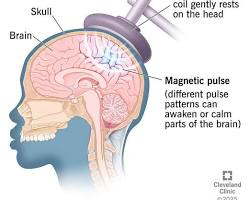
TMS uses the law of electromagnetic induction to generate a powerful, highly localized magnetic field. When applied via an external coil to the scalp, this magnetic flux passes cleanly through the cranium and induces minor, localized electrical currents in targeted cortical regions.
+---------------------------+
|    External TMS Coil      |  Creates rapid magnetic flux loops
+---------------------------+
              |
              v (Passes through skull bone cleanly)
+---------------------------+
| Targeted Cortical Tissue  |  Induces localized microscopic electrical currents
+---------------------------+
Research shows that these magnetic pulses can modulate neural activity in specific cortical areas, altering how neurons communicate.
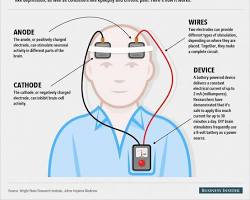
Unlike magnetic induction, transcranial Direct Current Stimulation (tDCS) and related electrical systems apply low-intensity, sub-threshold electrical currents directly through electrodes affixed to the scalp.
This approach does not force neurons to fire instantly. Instead, it alters the baseline membrane potential of the underlying tissue, influencing general cortical excitability and shaping long-term neural plasticity.
Why This Matters for Focus and Deep Work
Modern cognitive performance research suggests that deep work is not merely a psychological concept or a state of mind—it is a distinct, measurable neurophysiological state.
During periods of deep, uninterrupted focus:
Prefrontal Cortex Activity Rises: The command center for executive function experiences enhanced metabolic and oxygen demand.
Beta Waves Dominate Task Engagement: Synchronized electrical frequencies between 13–30 Hz lock into place over task-positive neural networks.
Default Mode Network (DMN) Activity Decreases: The internal regions responsible for mind-wandering, distraction, and day-dreaming are actively suppressed.
Attention Becomes Selectively Focused: The brain blocks out external environmental noise to prioritize the cognitive task at hand.
                 The Neurobiology of a Deep Work State
                                   |
         +-------------------------+-------------------------+
         |                         |                         |
         v                         v                         v
[ Prefrontal Activation ]  [ Beta Wave Synchronization ]  [ DMN Deactivation ]
Executive control surges   13-30 Hz frequencies dominate  Daydreaming networks are
to manage complex tasks.   focused task execution channels. actively down-regulated.
This structural shift demonstrates that true focus is a biological brain-state condition rather than a simple act of raw willpower. Transcranial stimulation research is highly valuable because it provides scientists with a direct, experimental framework to observe how these specific brain states can be externally measured, influenced, or optimized.
8 Key Concepts Linked to Transcranial Stimulation & Focus
By studying how non-invasive brain stimulation modifies neural behavior, cognitive scientists have isolated several core mechanisms that govern real-world human focus and learning.
1. Cortical Excitability and Attention Regulation
One of the core mechanisms studied in transcranial stimulation is cortical excitability, which refers to how easily neurons activate in response to incoming incoming signals. In TMS research, magnetic pulses can temporarily increase or decrease this readiness threshold depending on the frequency and intensity settings used.
Focus Connection: Higher cortical readiness in the prefrontal regions is tightly associated with sustained attention and prolonged task engagement. When excitability drops, cognitive fatigue sets in.
Global Context: A researcher in London studying cognitive fatigue may observe that an individual’s attention capacity fluctuates directly depending on these baseline neural excitability levels during complex problem-solving tasks.
2. Neural Plasticity and Learning Adaptation
Repeated stimulation protocols in laboratory settings have been shown to influence synaptic plasticity—the brain’s innate ability to adapt, reorganize, and build brand-new structural pathways over time.
Focus Connection: Plasticity is the core biological driver behind skill acquisition, habit formation, and cognitive training adaptation. Deep work operates on a similar parallel; locking into an uninterrupted task forces repeated firing along specific neural pathways, reinforcing those circuits over time.
3. Brainwave Synchronization and Focus States
Transcranial stimulation research has contributed extensively to our understanding of how separate brain regions synchronize their electrical rhythms during high-stakes cognitive tasks.
Frequency Band
Range (Hz)
Primary Cognitive Association
Deep Work Impact
Beta
13–30 Hz
Active thinking, analytical logic, alert focus
Dominates the brain during intense, targeted problem-solving sessions.
Alpha
8–12 Hz
Calm alertness, reduced mental friction
Serves as a bridge, allowing fluid transitions between relaxation and focus.
Theta
4–8 Hz
Memory consolidation, creative daydreaming
Must be actively managed during tasks to prevent drifting into daydreaming.
Global Context: A software engineer in Toronto working on complex database systems may experience stronger, highly localized beta synchronization during uninterrupted coding blocks.
4. The Role of the Prefrontal Cortex
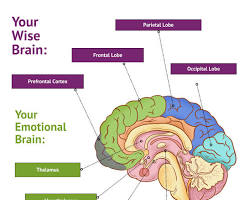
The prefrontal cortex (PFC) is the biological control center responsible for holding working memory, making strategic decisions, and filtering out distracting environmental stimuli. During deep work, this specific region shows increased metabolic consumption and electrical coordination. Transcranial stimulation studies frequently target the dorsolateral prefrontal cortex (dlPFC) because of its foundational role in orchestrating these complex executive functions.
5. Default Mode Network Suppression
The Default Mode Network (DMN) is an interconnected web of brain regions that lights up when an individual is not engaged in an external task—driving mind-wandering, internal self-talk, and background distraction. During focused, task-positive work, the brain must actively turn down the volume of the DMN. Studies show that successful focus requires a clean, reciprocal handoff: as task-positive network activity surges, DMN activity must drop.
6. Frequency Modulation Effects (TMS / rTMS Research)
Repetitive Transcranial Magnetic Stimulation (rTMS) demonstrates that the specific frequency of delivery dictates the neurological outcome. Low-frequency pulses (around 1 Hz) generally reduce local cortical excitability, while high-frequency pulses (5 Hz or greater) tend to increase excitability. This helps researchers map out how different neural rhythms can be externally influenced, though consumer applications for focus remain purely experimental.
7. Attention Training vs. External Stimulation
One of the most valuable insights from modern neuroscience is that attention capacity can be trained from the inside out, completely independent of external hardware.
Transcranial Stimulation: Represents an external modulation framework, primarily utilized in controlled clinical or research laboratory environments.
Deep Work & Mindfulness: Represents an internal self-regulation framework, using behavioral training to strengthen executive control.
While both approaches share the ultimate goal of driving brain adaptation, behavioral deep work trains the brain to generate its own focus states naturally, building long-term cognitive resilience.
8. Emerging Cognitive Enhancement Research
Contemporary neuroscience is actively exploring how brain stimulation, neurofeedback protocols, and structured cognitive training tasks might interact synergistically. However, current consensus highly emphasizes the high degree of individual response variability, the absolute necessity for strict clinical supervision, and the limited, highly conditional nature of direct consumer hardware applications.
Real-World Context (Global Examples)
While the underlying technologies remain grounded in clinical laboratories, the core principles of neuro-optimization are being interpreted differently across major global productivity hubs:
United States (San Francisco): Tech professionals and founders increasingly explore cognitive performance frameworks, combining behavioral deep work blocks with wearable metrics and neurotechnology tools to optimize their daily coding and strategy sessions.
United Kingdom (London): Leading research institutions study attention networks and non-invasive brain stimulation as part of advanced cognitive neuroscience programs, mapping out how the brain combats professional cognitive fatigue.
Canada (Toronto): Academic centers explore how attention regulation correlates with learning performance, exploring behavioral methods to mitigate mental fatigue during extended exam periods.
Singapore: Elite wellness and performance clinics integrate cognitive awareness practices with mindfulness-based interventions, helping professionals build stress resilience by altering their baseline autonomic states.
Limitations and Safety Context
Before exploring non-invasive brain technologies, it is essential to establish clear, grounded boundaries regarding safety and practical application:
Not a Consumer Toy: Transcranial stimulation is a precise laboratory methodology, not a consumer productivity shortcut or an alternative to standard focus habits.
Clinical Supervision Required: Modulating cortical excitability requires specialized knowledge of electrode placement, current density, and individualized threshold mapping to prevent adverse effects like skin irritation or headaches.
High Individual Variability: A protocol that subtly sharpens focus metrics in one individual might cause cognitive fatigue or zero changes in another due to unique differences in skull thickness and neural wiring.
Long-Term Landscapes Under Review: While short-term safety is well-documented in clinical labs, research is still actively investigating the long-term outcomes of prolonged, repetitive external stimulation on healthy brain tissue.
It is primarily utilized in neuroscience research, cognitive science laboratories, and clinical neuro-psychiatry to study cortical connectivity, map brain function, and understand how external fields modulate neural activity.
2. Is transcranial stimulation safe?
When administered by qualified professionals within a controlled clinical environment using medical-grade equipment, it is widely considered safe and non-invasive. However, it is not intended for unsupervised, DIY, or consumer home use.
3. Can it improve focus or productivity?
While specific research protocols targeting the prefrontal cortex show temporary changes in attention metrics, it is not an approved, guaranteed, or standardized productivity tool for everyday professional use.
4. What is the fundamental difference between TMS and tDCS?
TMS relies on powerful magnetic fields to actively induce electrical currents and trigger neuronal firing in highly localized regions. tDCS utilizes very low electrical currents to subtly shift the baseline membrane potential of the tissue, modulating how easily the brain’s neurons fire on their own.
5. Is behavioral deep work related to external brain stimulation?
Deep work is an internal, behavioral cognitive state cultivated through deliberate attention practice and environmental control. Transcranial stimulation is an external, technological research tool. While both are studied in parallel to understand focus states, they are entirely separate modalities.
6. Can lifestyle habits mimic the cortical benefits seen in neurotechnology studies?
Yes, foundational lifestyle choices directly optimize your brain’s baseline excitability and focus capacity. Getting high-quality sleep, maintaining stable blood sugar levels, taking regular cognitive rests, and engaging in deliberate attention training all support optimal prefrontal cortex function naturally.
7. Why isn’t transcranial stimulation widely available as a consumer focus tool?
The primary barriers are safety, hardware complexity, and the extreme custom styling required for each individual brain. Modulating brainwaves safely requires exact sensor placement and professional data calibration, which cannot be reliably mass-produced in a basic consumer gadget.
Disclaimer
This article is for educational and informational purposes only. It does not constitute medical advice, diagnosis, or treatment. Transcranial stimulation techniques should only be used under qualified clinical supervision. This content is not intended for self-application or medical decision-making.
Final Thoughts
Transcranial stimulation research provides valuable insight into how brain activity can be influenced, measured, and studied. However, its true significance lies within advanced neuroscience research frameworks rather than direct consumer self-optimization.
For most individuals, improving focus and expanding deep work capacity is still best achieved through evidence-based behavioral methods. Building structured work blocks, eliminating digital multitasking, protecting your sleep hygiene, and managing your environmental distractions remain the most effective, accessible tools for cognitive enhancement. As neuroscience continues to advance, the intersection between brain technology and human productivity will undoubtedly evolve, but the foundation of high-performance focus will always remain grounded in consistent, healthy behavioral habits.
📚 References
Harvard Health Publishing – Heart Rate Variability Overviewhttps://www.health.harvard.edu/staying-healthy/understanding-heart-rate-variability
National Institutes of Health (NIH) – Wearable Health Data Researchhttps://www.ncbi.nlm.nih.gov/pmc/articles/PMC6375107/
Content on BioHelixa is created by Puma U, a certified Lab Technician (DMLT) with over 10 years of experience in public health and laboratory science, including clinical exposure within India's National Rural Health Mission (NRHM). His background in laboratory diagnostics and metabolic science provides practical insight into how cellular biology, hormones, and bio-tracking influence human performance.
📋 Editorial Review
Select health-related content on BioHelixa may be reviewed by Dr. Prashant G (MBBS), a practicing medical doctor, to support general accuracy and improve content quality. This review is intended for educational quality assurance only and does not represent formal medical certification or individualized medical advice.
⚠️ Disclaimer: This content is for educational and informational purposes only and is not intended as a substitute for professional medical advice, diagnosis, or treatment.