Cold exposure practices—ranging from sub-zero ice baths and freezing morning showers to specialized whole-body cryotherapy chambers—have experienced a massive surge in popularity across the United States, United Kingdom, Canada, Germany, Singapore, and Australia. Championed by biohackers, elite athletes, and wellness influencers, these intense thermal challenges are frequently promoted as essential tools for accelerating muscular recovery, sharpening mental clarity, and building psychological stress resilience.
One of the most complex, sophisticated concepts utilized to market these cold practices is the alleged activation of cold shock proteins (CSPs), specifically RBM3 and CIRP. Online articles, podcasts, and video explainers often describe these molecules as a set of dormant “molecular switches” that can be intentionally flipped on demand via brief cold exposure to rapidly repair neurons, trigger synaptic regeneration, and protect the brain against neurodegenerative decline.
However, a rigorous examination of peer-reviewed scientific literature reveals a significantly more nuanced, intricate, and grounded reality.
Cold shock proteins are not simple dials that humans can directly or measurably turn up through routine morning habits. Instead, they represent deeply integrated components of an evolutionary cellular stress-response network. This system is designed to help organisms adapt to harsh, survival-threatening environmental forces—including profound temperature drops, hypoxia (oxygen deprivation), and severe metabolic strain.
This comprehensive guide cuts through the marketing hype to examine exactly what cold shock proteins are, their true relationship to nervous system recovery, and what the latest clinical evidence realistically supports regarding human thermal exposure.
What Are Cold Shock Proteins?
Cold shock proteins are a highly specialized class of RNA-binding proteins (RBPs) that cells across nearly all living organisms express when subjected to sudden environmental stress—particularly a sharp drop in ambient temperature.
In mammalian biology, researchers focus almost exclusively on two foundational cold-inducible proteins:
RBM3 (RNA-Binding Motif Protein 3): An evolutionarily conserved protein primarily located within the cell nucleus, though it can translocate to the cytoplasm during times of high cellular strain.
CIRP (Cold-Inducible RNA-Binding Protein): The first cold shock protein identified in mammals, known for its highly sensitive response to even mild fluctuations in temperature.
When a cell experiences cold stress, its standard transcriptional and translational machinery slows down dramatically to preserve precious energy ($ATP$). During this period of cellular conservation, RBM3 and CIRP step in to execute several critical protective functions:
RNA Stabilization: They bind directly to delicate single-stranded RNA molecules, preventing them from degrading or forming tangled, non-functional secondary structures in the cold environment.
Translational Regulation: They help selectively guide specific RNA strands to ribosomes, ensuring that essential, life-sustaining proteins continue to be manufactured even when global protein synthesis is suppressed.
Structural Structural Support: They assist cells in maintaining their internal architectural integrity, protecting vital cellular frameworks during periods of low temperature or metabolic scarcity.
Why Cold Shock Proteins Became Popular in Neuroscience
The explosive rise of cold shock proteins in popular neuroscience discussions can be traced back to a series of groundbreaking animal studies exploring the biological mechanics of mammalian hibernation.
The Hibernation & Synaptic Cleansing Discovery
When deep-hibernating mammals (like certain rodents) enter a state of torpor, their core body temperature plummets, causing their brain’s complex synaptic networks to physically dismantle and disconnect. This structural retreat is an evolutionary defense mechanism designed to conserve energy. Amazingly, when these animals awaken and rewarm, their brains rapidly rebuild these lost connections, completely restoring their structural neural networks and cognitive faculties within hours.
When scientists replicated this phenomenon in laboratory mice, they discovered several fascinating insights:
Subjecting mice to deep, controlled cooling (lowering core temperatures to roughly $26^\circ\text{C}$ to $30^\circ\text{C}$) triggered a massive up-regulation of RBM3 in the brain.
This surge in RBM3 acted like a protective structural scaffold, safeguarding the blueprints of the dismantled synapses.
Upon rewarming, the pre-staged RBM3 drove an intense wave of synaptic regeneration, repairing the neural network.
Crucially, when researchers genetically blocked the RBM3 protein in mice modeled with neurodegenerative conditions like Alzheimer’s or prion disease, the mice completely lost the ability to rebuild their synapses after cooling, resulting in permanent, accelerated brain tissue loss.
These remarkable discoveries understandably sparked immense excitement. They led many to speculate that if humans could intentionally activate RBM3 through lifestyle choices like cold plunges, they might be able to directly trigger synaptic repair, shield their brains from cognitive decline, and significantly accelerate nervous system recovery.
Important Scientific Clarification
While the underlying animal data is undeniably brilliant, applying these exact mechanisms directly to human lifestyle practices requires a major dose of scientific reality.
The Cold Truth: There is currently no validated scientific methodology or clinical proof showing that routine human lifestyle protocols—such as a 3-minute cold shower or a 5-minute ice bath—can directly activate or increase cold shock proteins in human brain tissue.
The immense gap between laboratory animal research and popular wellness claims stems from a few critical biological facts:
The Problem of Core vs. Peripheral Temperature: In the animal studies that demonstrated clear RBM3-driven neuroprotection, the subjects underwent profound, prolonged medical hypothermia, driving their core body temperature down for extended hours. In sharp contrast, when a human steps into an ice bath or a cold shower for a few minutes, our powerful mammalian thermoregulatory systems instantly fight back. The body induces intense vasoconstriction to keep our vital core temperature locked safely around $37^\circ\text{C}$ ($98.6^\circ\text{F}$). While your skin and extremities get freezing cold, your brain tissue never experiences the actual drop in temperature required to trigger cellular cold shock gene expression.
The Challenge of Real-Time Tracking: In human clinical settings, RBM3 and CIRP are not used as measurable, on-demand biomarkers for physical recovery. We cannot run a quick blood test or use a wearable tracker to confirm whether an ice bath successfully altered protein transcription inside your central nervous system.
A Jump in Logic: Most of the evidence celebrating the neuroprotective powers of these proteins comes from isolated cell cultures or small animal models subjected to extreme, tightly managed thermal environments. Taking those specific cellular insights and claiming they apply directly to a brief, casual cold plunge represents a massive, unproven leap in scientific logic.
RBM3: The Neuroprotective Research Focus
Within modern neuroscience and geroscience, RBM3 remains a subject of intense scientific interest due to its profound, undeniable role in structural brain plasticity and cellular defense.
The Underlying Biological Mechanics
In controlled laboratory environments, RBM3 has consistently demonstrated an extraordinary capacity to preserve and rebuild delicate neural structures. When a neuron experiences severe stress—whether from profound cooling, hypoxia, or toxic metabolic waste—the presence of RBM3 acts like an intracellular shield. It binds to fragile synaptic transcripts, ensuring that when the cell emerges from the stressor, it retains the structural blueprints required to regenerate dendritic spines and maintain synaptic density.
  CELL UNDER SEVERE STRESS
  [ Unprotected Cell ] ────────► Structural Collapse & Synaptic Loss

  [ RBM3-Protected Cell ] ─────► RNA Scaffolding ──► Rapid Synaptic Regeneration
Furthermore, experimental models suggest that RBM3 may help suppress pathways that lead to programmed cell death (apoptosis) while supporting neuroplasticity—the brain’s ability to structurally rewire and adapt to new challenges.
However, until clinical science develops non-invasive methods to safely lower human central nervous system temperatures, or creates targeted medications that can trigger RBM3 pathways without thermal stress, its incredible neuroprotective benefits remain an area of medical research, rather than a benefit you can capture from a quick lifestyle routine.
CIRP: A Context-Dependent Stress Protein
While RBM3 enjoys a reputation as a purely protective molecule in neuroscience, its sister protein, CIRP (Cold-Inducible RNA-Binding Protein), presents a far more complex, dual-natured biological profile. CIRP’s ultimate impact on health depends entirely on its location within the body.
The Dual Personality of CIRP
Intracellular Role (Inside the Cell)
Extracellular Role (Outside the Cell)
Protective & Stabilizing
Pro-Inflammatory Signal
• Binds to and stabilizes cellular RNA molecules. • Optimizes cell survival pathways under thermal stress. • Supports normal cellular repair and replication cycles.
• Acts as a potent Damage-Associated Molecular Pattern (DAMP). • Triggers a localized or systemic immune response. • Can actively drive chronic inflammatory signaling pathways.
The Biological Reality
When CIRP remains exactly where it belongs—inside the nucleus and cytoplasm of a cell experiencing mild stress—it serves as a fantastic protective agent, stabilizing genetic material and keeping the cell alive.
However, if a cell experiences severe stress or structural damage, it can leak CIRP out into the surrounding extracellular space. Once outside the cell, CIRP’s role shifts completely. It transforms into a Damage-Associated Molecular Pattern (DAMP)—a molecular warning signal that the immune system interprets as an active tissue injury.
Extracellular CIRP binds directly to inflammatory receptors (like TLR4), triggering a cascade that unleashes pro-inflammatory cytokines like interleukin-6 ($IL-6$) and tumor necrosis factor-alpha ($TNF-\alpha$). This dual nature perfectly highlights why cellular stress proteins cannot be classified as universally “good” or “bad.” Their effect on your biology is entirely dependent on the intensity of the stressor, the type of tissue involved, and the specific cellular environment.
How Cold Exposure Actually Affects the Nervous System
If a quick ice bath or cold shower isn’t actively rewriting protein expression inside your brain, why does it feel so undeniably powerful? The answer lies in systemic, whole-body physiological and hormonal adaptations, rather than single-protein activation.
┌────────────────────────────────────────────────────────────────────────┐
│                        THE TWIN PHASES OF COLD EXPOSURE                │
├───────────────────────────────┬────────────────────────────────────────┤
│ 1. THE SHOCK PHASE (In the Cold)│ Massive Sympathetic Surge              │
│                               │ Adrenaline & Norepinephrine Spike      │
├───────────────────────────────┼────────────────────────────────────────┤
│ 2. THE REBOUND PHASE (Post-Cold)│ Parasympathetic Dominance              │
│                               │ Vagal Activation & Systemic Calming    │
└───────────────────────────────┴────────────────────────────────────────┘
1. Intense Autonomic Nervous System Activation
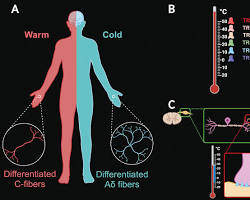
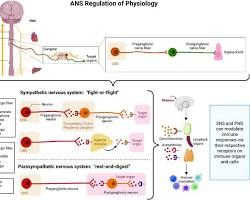
The moment cold water hits your skin, it triggers a profound sensory shock. Cold-sensitive receptors embedded in your skin (specifically TRPM8 channels) fire a massive volley of electrical signals directly into your central nervous system. This sensory surge instantly activates your Sympathetic Nervous System (“Fight or Flight”), triggering an immediate hormonal response:
An immediate, massive spike in circulating norepinephrine (noradrenaline) and epinephrine (adrenaline).
Profound peripheral vasoconstriction, pulling blood away from your skin to protect your core organs.
A sudden elevation in heart rate and blood pressure, accompanied by an involuntary gasp reflex.
This chemical surge explains the intense, unyielding sense of hyper-alertness, sharp focus, and raw physical energy that hits you the second you step into cold water.
2. The Parasympathetic Rebound Response
The true magic of cold exposure for nervous system recovery happens after you step out of the water and begin to warm back up. Once your brain recognizes that the acute physical threat has passed, your autonomic nervous system executes a powerful course correction known as a parasympathetic rebound.
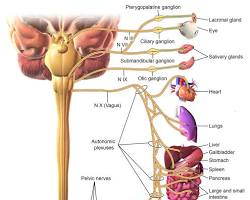
The vagus nerve ramps up its activity, sending a wave of calming signals across your organs to lower your heart rate, settle your blood pressure, and ease systemic tension. This rapid shift from a high-stress sympathetic state to a deep parasympathetic state is why people often experience a profound sense of calm, mental clarity, and physical relaxation shortly after a cold plunge. Over time, practicing this deliberate transition can help train your nervous system to adapt and recover from stress with greater flexibility.
Cold Shock Response vs. Cold Shock Proteins
To navigate the science of thermal exposure accurately, it is absolutely essential to separate two biological terms that are constantly mixed up in popular health content:
The Cold Shock Response: This is a macroscopic, immediate physiological reflex. It happens within seconds to minutes of hitting cold water. It is driven by neural wiring and hormone releases, manifesting as a sudden gasp, a racing heart, and a flood of adrenaline. It is your body’s immediate survival mechanism reacting to an abrupt environmental threat.
Cold Shock Proteins (CSPs): These represent a microscopic, delayed cellular adaptation process. This system unfolds over hours and days at the genetic level, changing how genes are expressed and how RNA is stabilized inside your cells. It is a slow, structural defense mechanism that requires a sustained, genuine drop in a cell’s internal temperature to activate.
Confusing these two distinct systems leads to the flawed idea that feeling the initial systemic shock of cold water means you have instantly activated neuroprotective proteins inside your brain.
Does Cold Exposure Improve Nervous System Recovery?
Even though the direct activation of neuroprotective cold shock proteins remains unproven in humans, utilizing cold exposure can still serve as a highly effective, indirect tool for supporting overall nervous system recovery.
Current clinical research suggests that a well-calibrated cold routine can support your health through three primary systemic pathways:
1. Lowering Your Perceived Stress Load
Immersing your body in freezing water creates an intense, unavoidable sensory experience. This sudden influx of physical feedback forces your brain to shift its attention entirely to the present moment, breaking internal loops of chronic psychological stress, anxious overthinking, and mental fatigue. This brief, forced mental reset helps lower your subjective sense of stress, giving your cognitive networks a valuable window to rest and decompress.
2. Boosting Long-Lasting Neurotransmitters
While hormones like adrenaline spike and drop quickly during a cold plunge, research indicates that circulating levels of norepinephrine can remain elevated for several hours after exposure. This steady, sustained release helps support enhanced focus, improved attention spans, and elevated mood metrics throughout the day, without causing the sharp energy crashes commonly associated with caffeine or artificial stimulants.
3. Strengthening Autonomic Flexibility
Regularly stepping into cold water gives your autonomic nervous system a controlled, predictable environment to practice handling acute stress. By intentionally calming your breathing and relaxing your mind in the middle of a physical freeze, you train your body to transition smoothly from a high-alert sympathetic spike into a deeply relaxed parasympathetic recovery state. Over time, this conditioning can build greater autonomic resilience, helping you navigate daily emotional and psychological stressors with much greater ease.
A Systems Biology Perspective on Cold Stress
When viewed through the lens of modern systems biology, the widespread, rejuvenating benefits of cold exposure become incredibly clear. Human health does not operate via single, isolated pathways. A cold challenge acts as a systemic catalyst that simultaneously ripples across several interconnected biological networks.
The immediate sensory shock from your skin’s thermoreceptors alters neural signaling in the brain, which immediately triggers a shift in endocrine hormone release. This hormonal shift prompts your vascular networks to contract and expand, redirecting blood flow to protect core organs while altering your metabolic rate to generate internal heat.
The full-body feeling of rejuvenation that follows a cold plunge isn’t driven by a single, magic molecular trigger. Instead, it is the beautiful result of your entire biological ecosystem working in harmony to restore balance, clear metabolic waste, and re-establish systemic homeostasis.
To understand how this science plays out in daily life, let’s look at a practical example of how these biological systems respond to a standard morning routine:
The Routine: A knowledge worker or financial analyst living in London incorporates a strict 3-minute cold shower into their morning routine to help manage intense workplace stress and improve mental focus.
The Real-World Science: Following the routine, they experience an immediate surge of morning alertness, sustained psychological energy, and a noticeably improved mood that lasts well into the afternoon. However, from a clinical standpoint, these benefits are not driven by the activation of neuroprotective cold shock proteins like RBM3 inside their brain tissue. Instead, these performance gains are fueled by a classic autonomic nervous system response—a healthy spike in catecholamines (norepinephrine) combined with a robust parasympathetic rebound that calms systemic stress and sharpens focus.
Safety Considerations & Clinical Guardrails
While short, controlled cold exposure is generally safe and highly beneficial for healthy individuals, it is an intense physiological stressor that carries genuine medical risks if approached recklessly.
The Danger of the Cardiovascular Surge: The sudden, massive vasoconstriction and immediate blood pressure spike triggered by cold water immersion can put significant strain on the heart. Individuals with pre-existing cardiovascular conditions, hypertension, or heart arrhythmias must exercise absolute caution.
The Risk of the Cold Gasp Reflex: Submerging yourself too quickly into deep, freezing water can trigger an involuntary, uncontrollable gasp reflex. If your head is underwater when this happens, it presents an immediate risk of drowning.
The Illusion of More is Better: Many people fall into the trap of assuming that if a 3-minute cold plunge is good, a 30-minute plunge must be exponentially better. Prolonged exposure can easily override your body’s thermoregulatory defenses, pushing you into dangerous core hypothermia, causing nerve damage in your extremities, and creating deep cellular exhaustion.
If you have underlying neurological, metabolic, or cardiovascular health challenges, it is absolutely essential to consult a qualified medical professional before introducing intense thermal exposure practices into your lifestyle routine.
Cold shock proteins like RBM3 and CIRP are real, highly sophisticated molecular tools that play essential roles in protecting cells and RNA during environmental strain.
Current scientific evidence does not support the popular claim that routine human lifestyle habits—like short cold showers or brief ice baths—can directly activate or increase these proteins within human brain tissue.
The primary benefits of cold exposure are driven by broad, system-wide physiological changes, including an intense activation of the autonomic nervous system, a healthy surge of focus-enhancing hormones, and a deep parasympathetic recovery rebound.
The true value of thermal therapy lies in building systemic resilience and mental flexibility through controlled stress conditioning, rather than trying to manipulate an isolated molecular switch.
Frequently Asked Questions (FAQ)
1. What are cold shock proteins?
They are a specialized class of intracellular proteins (such as RBM3 and CIRP) that organisms express in response to environmental stressors like temperature drops. Their primary roles are to stabilize delicate RNA molecules, protect cell structure, and maintain essential protein manufacturing during stress.
2. Can a daily cold shower activate cold shock proteins in my brain?
No. There is no clinical evidence showing that brief lifestyle habits can alter protein expression inside human brain tissue. Because your body works hard to keep your core temperature safely locked at $37^\circ\text{C}$ ($98.6^\circ\text{F}$), your brain never experiences the deep temperature drop required to trigger cold shock genes.
3. Are cold shock proteins responsible for the mental clarity I feel after an ice bath?
The immediate focus, surge of energy, and mental clarity you feel after cold exposure are driven by your autonomic nervous system. The cold triggers an immediate surge of alertness-enhancing hormones (like norepinephrine) followed by a deep parasympathetic rebound that calms the mind and body.
4. Is ice bath therapy scientifically proven?
Yes, but its proven benefits are systemic rather than protein-specific. Cold therapy is highly effective for reducing perceived stress, lowering acute muscle soreness, and conditioning your nervous system to handle stress more effectively. Claims that it directly cures or prevents neurodegenerative diseases through protein activation remain purely experimental.
5. What is the safest way to practice cold exposure?
The safest approach is to start slowly and keep durations short. Beginning with 1–2 minutes of a cool shower and gradually lowering the temperature allows your cardiovascular and nervous systems to adapt safely without inducing severe physiological distress.
Final Thoughts
Cold shock proteins represent an important area of neuroscience and cellular stress research, but current evidence does not support the idea that they can be directly manipulated through simple cold exposure routines.
The real benefit of cold exposure appears to come from broad nervous system adaptation and stress-response conditioning, not isolated molecular control.
As research continues, a clearer understanding of how environmental stress influences brain resilience will emerge.
Disclaimer:This article is for educational and informational purposes only. It does not constitute medical advice, diagnosis, or treatment. Cold exposure practices represent intense physical challenges and should always be approached with care. Always consult a qualified healthcare professional before beginning any extreme thermal or lifestyle exposure practices.
Content on BioHelixa is created by Puma U, a certified Lab Technician (DMLT) with over 10 years of experience in public health and laboratory science, including clinical exposure within India's National Rural Health Mission (NRHM). His background in laboratory diagnostics and metabolic science provides practical insight into how cellular biology, hormones, and bio-tracking influence human performance.
📋 Editorial Review
Select health-related content on BioHelixa may be reviewed by Dr. Prashant G (MBBS), a practicing medical doctor, to support general accuracy and improve content quality. This review is intended for educational quality assurance only and does not represent formal medical certification or individualized medical advice.
⚠️ Disclaimer: This content is for educational and informational purposes only and is not intended as a substitute for professional medical advice, diagnosis, or treatment.