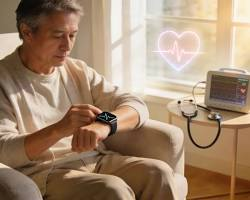
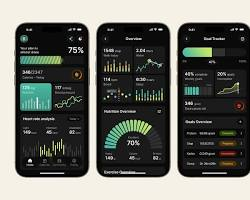
Wearable technology has officially transitioned from a niche fitness trend into a standard fixture of modern health tracking across the United States, United Kingdom, Canada, and Singapore. Walk into any corporate office in Manhattan, a tech hub in London, a finance firm in Toronto, or a workspace in Singapore’s Downtown Core, and you will see wrists lined with premium health trackers. Today’s smartwatches and fitness bands monitor heart rate, sleep architecture, daily activity, and recovery-related signals continuously in real time.
Prominent brands like Apple Watch, Oura Ring, WHOOP, and Garmin have democratized physiological tracking, giving millions access to deep biometric data. However, despite the incredible sophistication of these optical sensors, a growing number of high-performing individuals are running into a frustrating paradox: the data on their screens frequently contradicts how their bodies actually feel.
You might wake up feeling completely exhausted, mentally drained, and unmotivated, only to open your app and find a glowing “90% recovery score.” On other days, you might feel completely energized and ready to hit a personal best in the gym, but your device warns you that your readiness is in the red, triggering unnecessary fitness anxiety. This gap between your subjective lived experience and algorithmic output highlights a major limitation in modern wearable tech.
To use these powerful tools without letting them dictate your life, you need to understand exactly what these sensors are measuring—and what they are completely blind to.
Why Wearable Recovery Tracking Has Become So Popular
The global wellness narrative has shifted dramatically. High-performers have realized that training hard is only half the equation; the real growth happens during recovery. In fast-paced, performance-driven cities like Silicon Valley, London, Toronto, and Singapore, optimization is highly valued, and tracking recovery has become the ultimate life hack.
Modern wearables attempt to quantify this complex biological state by tracking a handful of passive biometric inputs while you sleep and move, including:
Heart Rate Variability (HRV): The minute micro-fluctuations between successive heartbeats.
Resting Heart Rate (RHR): The lowest number of times your heart beats per minute while at complete rest.
Sleep Duration & Consistency: The total time spent asleep and how closely your sleep schedule aligns night-to-night.
Activity Levels & Movement: Passive step counts and active exercise tracking throughout the day.
Training Load & Strain: The cumulative cardiovascular stress placed on your body over a rolling period.
The device’s software processes these inputs through a black-box, proprietary algorithm, compressing them into a single, highly scannable “readiness score” or “body battery” from 1 to 100. While this is incredibly convenient for a quick morning check, it is vital to remember that these scores are statistical estimates based on population averages and personal baselines—they are not direct physiological measurements of muscular or systemic recovery.
What Wearables Actually Measure (And How They Do It)
To understand why your device might miscalculate your physical readiness, you have to look under the hood. Consumer wearables do not have access to your blood chemistry or nervous system. Instead, they rely on photoplethysmography (PPG)—shining an LED light through your skin to measure blood volume changes in the capillaries—alongside an internal accelerometer to track movement.
Your resting heart rate is one of the most reliable and stable indicators of overall cardiovascular load. When your body is healthy and well-conditioned, your heart becomes more efficient, requiring fewer beats per minute to pump blood. A sudden, sustained spike in your RHR usually correlates with an underlying stressor, such as an oncoming illness, chronic sleep deprivation, or severe overtraining. However, RHR is a lagging, non-specific indicator; it alerts you that your body is working harder, but it cannot tell you why.
2. Heart Rate Variability (HRV)
Heart rate variability is the absolute foundation of almost every recovery algorithm on the market. HRV measures the variation in time (in milliseconds) between consecutive heartbeats. Your heart does not beat like a rigid metronome; if your pulse is 60 beats per minute, the time between beats might be 0.85 seconds, then 1.15 seconds, then 0.95 seconds.
$$HRV = \text{The variation in milliseconds between consecutive heartbeats ($R\text{-}R$ intervals)}$$
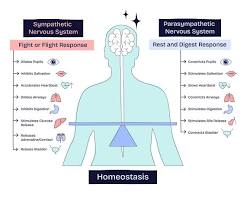
This micro-variation is directly controlled by your Autonomic Nervous System (ANS), which regulates your body’s unconscious functions through two competing branches:
The Sympathetic Nervous System (SNS): The “fight-or-flight” driver. When activated by physical training, corporate stress, or fear, it causes your heart rate to rise and the intervals between beats to become highly uniform. Consequently, your HRV drops.
The Parasympathetic Nervous System (PNS): The “rest-and-digest” driver. When your body is relaxed, recovering, and repairing tissue, it sends signals to slow down your heart rate, allowing the intervals between beats to vary naturally. This causes your HRV to rise.
While a high HRV generally indicates a resilient, adaptable nervous system, it is incredibly sensitive to immediate lifestyle variables. For example, a frequent business traveler flying between London and New York or Toronto and Singapore will often see a massive drop in HRV. This drop isn’t caused by a sudden loss of physical fitness, but rather by temporary circadian rhythm disruption and mild dehydration from the flight.
📌 Example: A professional traveling between New York and Singapore may see HRV fluctuations due to time zone changes rather than actual fitness decline.
Wearables estimate your sleep stages (Light, Deep, and REM) by running your movement and heart rate patterns through predictive models. While they are highly accurate at tracking your total time in bed and identifying when you wake up in the night, they are notoriously imperfect at mapping sleep architecture.
Because consumer devices cannot measure brainwave activity like a clinical polysomnography (PSG) study, they frequently misclassify sleep stages. For instance, if you are lying completely still but wide awake after a high-pressure workday in Singapore, your device might register that time as light sleep. Stressing over the exact minutes of “deep sleep” your app displays can ironically cause the very anxiety that ruins your next night’s rest.
📌 Example: A user in Toronto may see “reduced deep sleep” after a stressful day, even though subjective sleep quality feels normal.
4. Activity and Strain Metrics
Tracking movement is where wearables excel. Using advanced accelerometers and GPS chips, they are highly reliable at recording your physical output, steps, and cardiovascular strain during exercise.
However, context is everything. A 10,000-step day walking across the flat pavement of Manhattan with frequent coffee stops places an entirely different physiological demand on your body than a 10,000-step hike over technical trail terrain in Canada. Algorithms struggle to distinguish the true systemic cost of these differing environments, occasionally under- or over-estimating the resulting training strain.
The Key Limitation: Recovery Is Not a Single Score
The single greatest flaw in the wearable ecosystem is the absolute reduction of human physiology into a singular, color-coded score.
Human recovery is deeply multidimensional, involving metabolic, psychological, hormonal, and muscular systems. Compressing these distinct layers of health into a single score causes significant limitations:
Algorithmic Reductionism: A single poor metric can artificially tank your entire daily score. If your sleep duration drops by 45 minutes because your child woke up early, the algorithm might give you a “poor recovery” warning, completely ignoring the fact that your resting heart rate is low, your muscles are repaired, and your mental clarity is perfectly intact.
Platform Discrepancy: Because tech companies (Apple, WHOOP, Oura, Garmin) keep their proprietary algorithms strictly classified, the exact same body can receive completely conflicting scores on the same morning. It is common to see a 40% readiness score on one device while another brand claims you are 80% recovered.
Ultimately, these scores are proprietary interpretations of data—they are a source of context, not absolute biological truth.
Why Recovery Is More Complex Than Wearable Data
True physical and mental recovery depends on a vast web of biological and environmental inputs that modern consumer sensors simply cannot detect.
Consider a corporate professional working in London under severe, ongoing cognitive stress from a high-stakes merger. They might spend their entire day sitting in boardroom meetings, meaning their wearable records virtually no physical strain. Because they sleep for a consistent seven hours, their resting heart rate and night-time HRV might look completely normal on paper.
Yet, in reality, their central nervous system is deeply fatigued, their glycogen stores are depleted from stress-induced cortisol production, and their real-world recovery capacity is drastically reduced. Their wearable will proudly present a green “ready to train” score, completely missing the systemic mental exhaustion underneath.
📌 Example: A software engineer in Silicon Valley may show stable HRV but still feel mentally fatigued due to high cognitive workload.
Critical Factors Wearables Commonly Miss
To build a genuinely healthy relationship with health tech, you must understand its four major blind spots:
1. Mental Load and Cognitive Stress
Your brain consumes roughly 20% of your body’s total metabolic energy. High cognitive demand, decision fatigue, emotional conflicts, and professional anxiety cause a massive neurological drain. Because this stress doesn’t involve your muscles moving or your heart rate spiking to workout levels, your fitness tracker routinely fails to account for it, leaving you physically unrecovered despite a perfect biometric profile.
2. Nutrition and Metabolic State
Your cells require raw materials to rebuild. Wearables cannot look inside your bloodstream to measure your blood glucose stability, micronutrient levels, amino acid availability, or hydration status. If you crush a high-intensity workout in Toronto but fail to eat enough protein or dynamic carbohydrates afterward, your muscles will remain unrecovered, even if your watch praises your sleep consistency.
3. Early Illness or Immune Response
When your body first encounters a pathogen, your immune system launches an immediate, energy-intensive defense. During the initial 24 to 48 hours of this immune response, you might feel incredibly lethargic, achy, and weak. However, because it takes time for this systemic inflammation to alter your resting heart rate or HRV baseline, your wearable will often tell you that you are perfectly fine, encouraging you to train when you should be resting.
4. Individual Differences and Adaptations
Algorithms are built around statistical norms. They struggle to calculate how genetics, biological age, metabolic flexibility, and training history shape your personal recovery rate. A seasoned athlete might experience deep muscular fatigue that an algorithm completely misses, while a beginner might see their HRV plummet from a minor lifestyle shift that doesn’t actually impair their capacity to move the next day.
How to Use Wearable Data Effectively
You do not need to abandon your premium health tech. Instead, you need to transition from letting your device rule your choices to using it as a supportive guide.
                  Optimized Wearable Data Strategy
                                 |
         +-----------------------+-----------------------+
         |                                               |
         v                                               v
[ Analyze Macro-Trends ]                       [ Subjective Auto-Regulation ]
Look at 14-to-30 day baseline                  Listen to your body's natural
shifts instead of daily scores.                signals before checking your app.
1. Focus on Trends, Not Daily Scores
An isolated daily recovery score is largely white noise. Stop reacting to morning-to-morning fluctuations. Instead, pull back and evaluate your 14-day and 30-day moving averages.
Is your baseline HRV steadily trending upward over the last month? That indicates an improving, highly resilient nervous system.
Is your resting heart rate gradually climbing week-over-week? That is a clear sign of accumulating, systemic fatigue that requires a dedicated rest week.
2. Combine Data With Subjective Feedback
Before you open your fitness app in the morning, take 30 seconds to run a internal body scan. Rate your subjective wellness across four distinct metrics:
Energy Levels: Do I feel genuinely rested, or am I relying on caffeine to wake up?
Mood & Motivation: Am I excited to tackle my day and my training, or do I feel emotionally flat?
Focus Quality: Is my cognitive processing sharp, or am I experiencing brain fog?
Physical Soreness: Do my muscles and joints feel fluid, or are they localized and achy?
Once you have your subjective score, open your app to check the objective data. Use the wearable data exclusively to validate or add context to how you feel. If your app claims you are 35% recovered but you feel fantastic, trust your human intuition over the algorithm and proceed with your day.
3. Use Wearables as Context Tools
Look at your wearable as a tool that highlights hidden lifestyle correlations rather than an absolute authority on your health. Use it to uncover the lifestyle habits that directly impact your biology. For example, you might notice that eating a heavy meal late at night in Singapore completely tanks your nocturnal HRV, or that having two glasses of wine at a dinner in London disrupts your deep sleep stages for two consecutive nights. This is where wearables provide immense, life-changing value.
Practical Recovery Principles That Always Work
Technology changes every year, but human physiology has remained consistent for millennia. Regardless of what your smartwatch screen displays, true biological recovery is always driven by the core fundamentals of health. If you focus your energy on perfecting these habits, your wearable metrics will naturally optimize themselves over time:
Prioritize Sleep Consistency: Try to fall asleep and wake up within the same 30-minute window every single day, including on weekends. This aligns your master circadian rhythm, maximizing natural growth hormone production.
Focus on Nutrient-Dense Fuel: Consume high-quality whole foods, ensuring you hit your daily macronutrient requirements to rebuild damaged tissue and restore glycogen levels.
Hydrate Preemptively: Drink sufficient water throughout the day, balancing your intake with essential electrolytes (sodium, potassium, magnesium) to maintain cellular function.
Practice Active Recovery: Incorporate low-intensity, parasympathetic-driving movement—like walking, swimming, or mobility work—to stimulate blood flow and clear metabolic waste without adding structural stress.
Manage Cognitive Overload: Dedicate 10 to 15 minutes daily to deliberate down-regulation techniques, such as breathwork, meditation, or completely stepping away from screens.
To maximize the utility of your investment, you must establish clear boundaries for when your wearable data is helpful and when it is actively misleading.
Identifying Long-Term Baseline Shifts: Spotting slow improvements or declines in cardiovascular fitness over months.
Enforcing Sleep & Routine Accountability: Seeing a hard, unvarnished look at your true sleep schedules and step counts.
Spotting Hidden Stressors: Clearly seeing the physiological damage caused by alcohol, late-night eating, chronic dehydration, or acute illness.
Building General Health Awareness: Helping you connect your daytime behaviors with your night-time recovery patterns.
When Wearables Become Misleading
Inducing Overreactions to Daily Scores: Letting a single bad score ruin your mood or panic you into cancelling a planned workout.
Overriding Subjective Body Signals: Forcing yourself through an intense training session when you feel physically broken down, simply because your app gave you a high readiness percentage.
Treating Consumer Metrics as Diagnostics: Using consumer fitness metrics to self-diagnose complex medical issues, cardiac abnormalities, or chronic fatigue syndromes.
Encouraging Excessive Comparison: Constantly comparing your raw HRV or sleep data to friends, colleagues, or social media influencers, ignoring the fact that these biometrics are deeply unique to your individual biology.
Final Thoughts
Wearable technology has granted us unprecedented access to our daily biological markers, making it an incredible asset for personal health awareness across the globe. However, recovery remains a deeply nuanced, living biological process that cannot be fully captured by an algorithm or reduced to a single score on a screen.
The absolute best way to use a wearable tracker is as a source of supportive context, never as a source of absolute certainty. Let the data inform your perspective, but always allow your body to have the final say. By focusing on long-term trends, maintaining healthy daily behaviors, and trusting your own physical intuition, you can transform your wearable device from an anxious distraction into an exceptionally effective tool for long-term health, vitality, and performance.
Frequently Asked Questions (FAQ)
Why does my wearable show a high recovery score when I feel exhausted?
This usually occurs because your device can only measure physical and cardiovascular inputs like resting heart rate and HRV during sleep. If you are experiencing intense mental load, emotional stress, or localized muscle soreness, your nervous system biometrics might look healthy on paper, but your brain and muscles remain completely drained.
Should I cancel my workout if my device says my recovery is in the red?
No, you should not automatically cancel a workout based on a single low score. Check in with your body first. If you feel strong, alert, and motivated, proceed with your workout but consider monitoring your intensity. Only modify or cancel your training if your low score perfectly matches feelings of physical lethargy, joint pain, or genuine exhaustion.
Why do different wearable brands give me completely different readiness scores?
Every wearable tech company uses a completely unique, proprietary algorithm to calculate recovery. One brand might weight sleep duration heavily, while another might base its score almost entirely on your last 5 minutes of slow-wave sleep HRV. Because these mathematical weights differ, the same biometric data will yield completely different scores across platforms.
Can wearables measure true recovery?
No, they estimate recovery using indirect signals.
What is the best way to use wearable data?
Use it for long-term trends combined with subjective feedback like energy and performance.
References & External Resources
Autonomic Nervous System and HRV Science: To understand the deep physiological mechanics behind neural regulation, heart rhythms, and physical adaptation, explore the performance methodology guides hosted directly on The WHOOP Locker Anatomy Index.
Independent Biometric Accuracy Tracking: To see how different consumer fitness trackers perform head-to-head against clinical machinery in rigorous testing, review the data analysis overviews on the Kygo Health Research Hub.
Consumer Wearables vs. Clinical Polysomnography: For a comprehensive, peer-reviewed look at how accurately consumer trackers map sleep architecture compared to medical sleep studies, read the specialized validation reports via Elemental Health & Nutrition.
Editorial Disclaimer: The information, biometric insights, and lifestyle strategies detailed in this article are intended strictly for educational, performance optimization, and informational purposes. Consumer wearable devices are not medical-grade diagnostic instruments or regulatory devices. This content should never be used as a substitute for professional medical advice, clinical diagnosis, or medical treatment. Always consult a qualified physician or healthcare provider regarding any chronic fatigue, physical symptoms, or underlying health conditions.
👤
About the Author & Editorial Review
Puma U
Content on BioHelixa is created by Puma U, a certified Lab Technician (DMLT) with over 10 years of experience in public health and laboratory science, including clinical exposure within India's National Rural Health Mission (NRHM). His background in laboratory diagnostics and metabolic science provides practical insight into how cellular biology, hormones, and bio-tracking influence human performance.
📋 Editorial Review
Select health-related content on BioHelixa may be reviewed by Dr. Prashant G (MBBS), a practicing medical doctor, to support general accuracy and improve content quality. This review is intended for educational quality assurance only and does not represent formal medical certification or individualized medical advice.
⚠️ Disclaimer: This content is for educational and informational purposes only and is not intended as a substitute for professional medical advice, diagnosis, or treatment.