Chronic Inflammation Quietly Accelerates Aging :Helpful ResourcesAging is often blamed on time alone, but what happens inside the body matters just as much as the number of years lived. Many people focus on visible signs of aging—wrinkles, grey hair, or changes in appearance—while overlooking internal processes that influence how the body feels and functions over time.
One of the most overlooked internal factors linked to aging is chronic inflammation.
Unlike short-term inflammation that occurs after injury or illness, chronic inflammation develops slowly and quietly. It often goes unnoticed for years. Over time, it can influence energy levels, recovery speed, sleep quality, joint comfort, digestion, and mental clarity. Many people live with constant tiredness, stiffness, or brain fog without realizing that low-grade inflammation may be contributing.
Longevity-focused habits aim to reduce daily inflammatory stress so the body can repair, recover, and adapt more effectively. From experience, people who support inflammation balance through simple lifestyle habits often notice improvements in how they feel day to day—even before any visible changes appear.
This article is regularly updated to reflect current wellness practices in 2026.
Who This Guide Is For
This guide is for people who want to age healthily and feel better as years pass rather than just managing symptoms. For example, someone who feels low-grade fatigue, frequent soreness, or slower recovery may benefit from understanding inflammation’s role. It is ideal for beginners who want natural, sustainable habits.This guide is for people who want to age in a way that feels healthier, calmer, and more resilient—not just manage symptoms as they appear.
It may be especially helpful for:
People who feel low-grade fatigue most days
Those experiencing frequent stiffness or soreness
Individuals who notice slower recovery after activity
Beginners interested in natural, sustainable longevity habits
For example, someone who wakes up feeling unrested, feels mentally foggy during the day, and experiences frequent body aches may benefit from understanding how inflammation influences aging.
Who Should Be Careful
People with autoimmune conditions, chronic illnesses, or those on long-term medication should seek personal guidance. For example, inflammation linked to medical conditions may need individual care. People with:
Autoimmune conditions
Chronic inflammatory illnesses
Ongoing medical treatments
Long-term medication use
should seek personalized guidance. Inflammation linked to medical conditions often requires individualized care. This guide focuses on general lifestyle support, not medical treatment.
Why Chronic Inflammation Accelerates Aging
Chronic inflammation keeps the body in a constant low-level stress state. This can affect cells, tissues, and recovery processes over time. Modern lifestyles often contribute through poor sleep, processed foods, constant stress, and inactivity. What usually goes wrong is ignoring early signals and focusing only on visible aging rather than internal balance. Inflammation itself is not harmful. It is a natural defense and repair response. The problem arises when inflammation becomes chronic, meaning the body remains in a constant low-level stress state even when there is no immediate threat.
What chronic inflammation does over time
When inflammation stays elevated:
Cells experience more wear and tear
Tissue repair becomes less efficient
Recovery slows down
Energy production becomes less stable
This can gradually affect how the body ages from the inside.
Why modern life contributes to it
Several modern habits quietly increase inflammatory stress:
Poor or irregular sleep
Highly processed foods
Long periods of inactivity
Chronic psychological stress
Overstimulation without recovery
What usually goes wrong is ignoring early internal signals and focusing only on visible aging. By the time symptoms become obvious, the body has often been under strain for years.
Longevity habits work by lowering the daily inflammatory load, giving the body more space to repair and adapt.
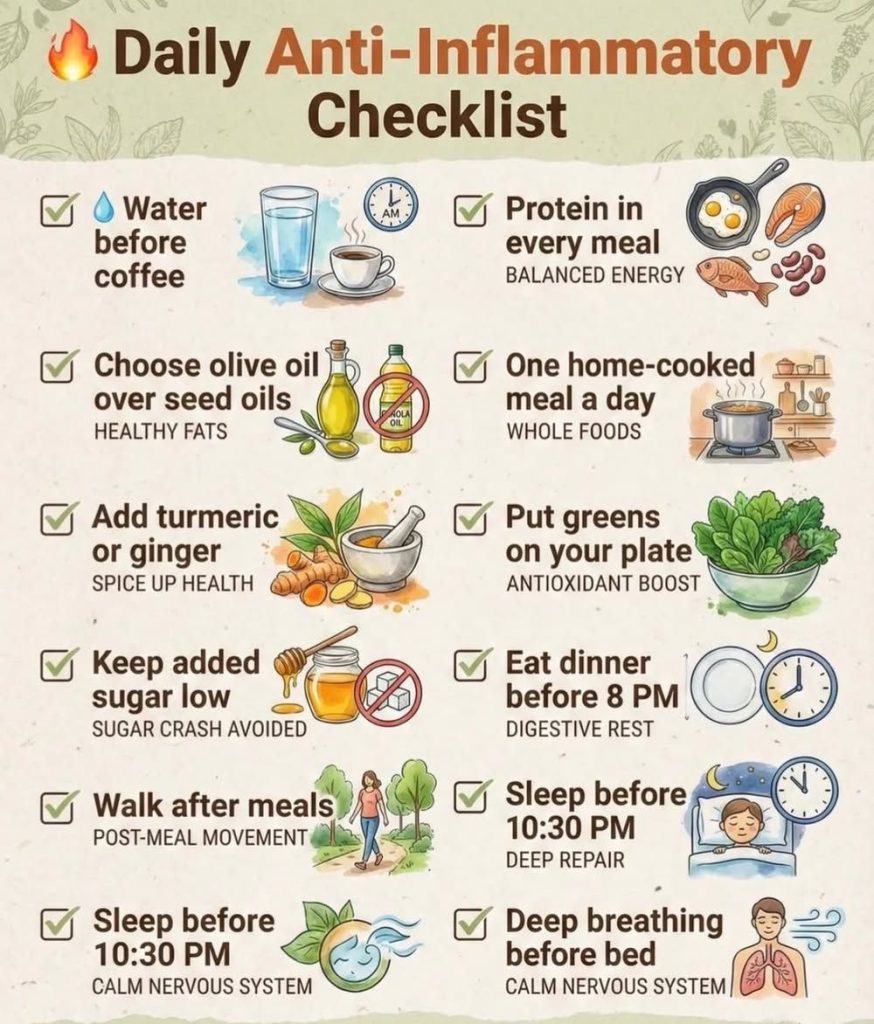
Longevity Habits That Help Reduce Inflammation Naturally
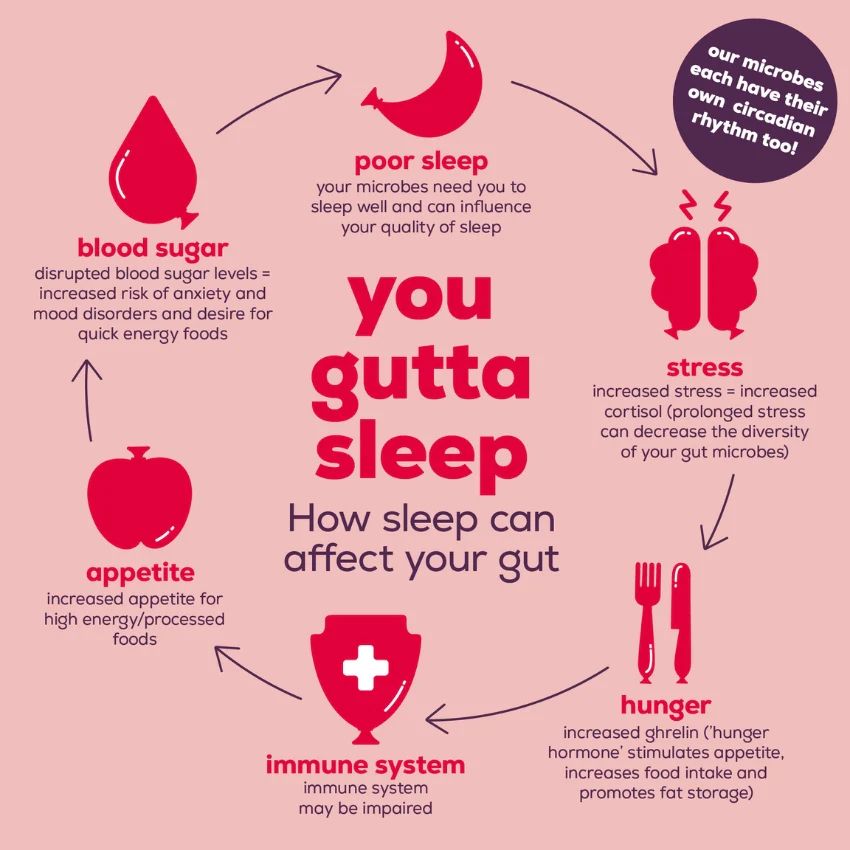
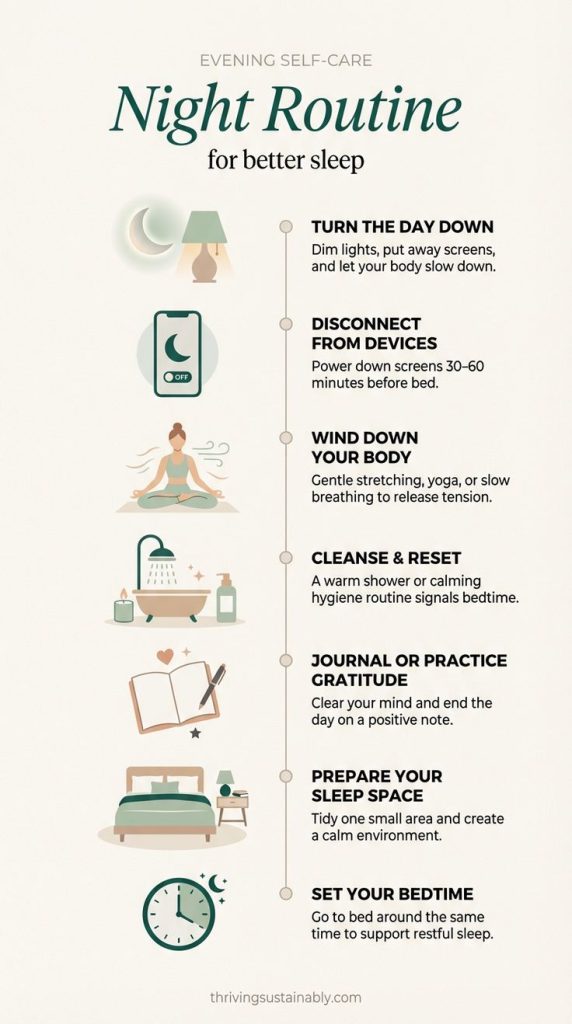
1. Prioritizing Sleep Consistency
Regular sleep supports the body’s natural repair processes. Poor or irregular sleep can increase inflammatory stress. In daily life, going to bed and waking up at similar times supports long-term balance.
Sleep is one of the body’s primary repair windows.
Why it matters
During sleep, the body regulates immune activity, repairs tissues, and balances stress hormones. Irregular or insufficient sleep can increase inflammatory signaling.
How it supports healthy aging
Consistent sleep timing helps:
Reduce inflammatory stress
Improve recovery
Support hormone balance
Real-life example
Instead of aiming for perfect sleep, aim for predictable sleep:
Go to bed and wake up at similar times most days
Avoid large shifts between weekdays and weekends
Even modest consistency supports long-term balance.
2. Building an Anti-Inflammatory Eating Pattern
Whole foods, vegetables, healthy fats, and balanced meals help support inflammation control. This does not require strict diets. Small shifts away from heavily processed foods can make a meaningful difference over time. Food sends daily signals to the body.
Why it matters
Highly processed foods, excess sugars, and poor meal timing can increase inflammatory stress. On the other hand, whole foods provide nutrients that support repair and balance.
How it supports healthy aging
An anti-inflammatory eating pattern supports:
Stable energy
Better digestion
Reduced internal stress
Real-life example
This does not require strict diets:
Increase vegetables gradually
Include healthy fats like nuts, seeds, or oils
Choose whole foods more often than packaged ones
Small shifts sustained over time matter more than perfection.
3. Gentle Daily Movement
Regular low-impact movement supports circulation and joint health. Walking, stretching, or light mobility helps prevent stiffness and supports recovery. I have seen many people feel less soreness simply by moving more consistently. Movement is essential for circulation and joint health.
Why it matters
Inactivity allows inflammatory byproducts to accumulate in tissues. Gentle movement helps circulate fluids and nutrients.
How it supports healthy aging
Daily movement:
Reduces stiffness
Supports joint comfort
Improves recovery
Real-life example
Effective movement doesn’t need intensity:
Walking after meals
Light stretching
Gentle mobility routines
Many people notice reduced soreness simply by moving more consistently.
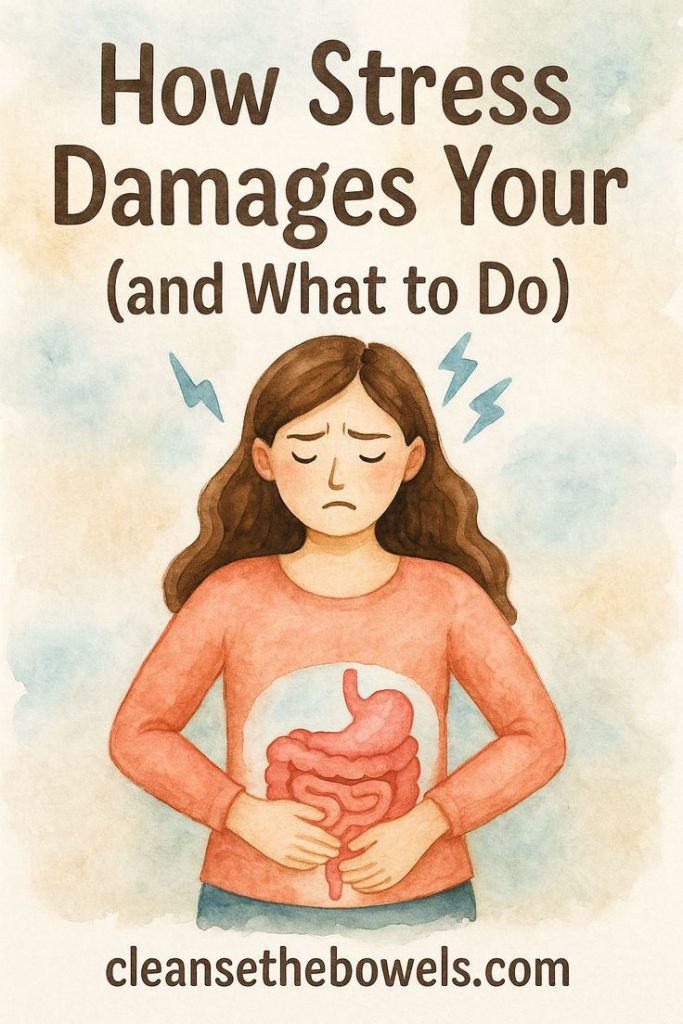
4. Managing Daily Stress Signals
Chronic stress can quietly increase inflammation. Simple practices like slow breathing, short pauses, or time outdoors help calm the nervous system and support balance. Stress is a powerful driver of inflammation.
Why it matters
Chronic stress keeps the nervous system in a constant alert state, which can increase inflammatory signaling over time.
How it supports healthy aging
Stress regulation supports:
Nervous system balance
Better sleep
Reduced internal wear
Real-life example
Simple stress resets include:
Slow breathing for 1–2 minutes
Brief pauses between tasks
Spending short time outdoors
These moments add up over the day.
5. Supporting Gut Health
The gut plays a key role in inflammation regulation. Eating fiber-rich foods and maintaining regular meals helps support digestive balance, which may influence overall inflammation. The gut plays a central role in inflammation regulation.
Why it matters
An imbalanced gut can influence immune responses and inflammatory signaling throughout the body.
How it supports healthy aging
Supporting gut balance helps:
Improve digestion
Support immune regulation
Reduce internal stress
Real-life example
Gut-friendly habits include:
Eating fiber-rich foods
Keeping regular meal times
Eating mindfully
Consistency matters more than supplements.
6. Reducing Environmental Stressors
Exposure to smoke, poor air quality, or constant noise can add inflammatory stress. Improving indoor air, reducing clutter, and creating calm spaces support daily recovery. The environment affects the body more than we realize.
Why it matters
Poor air quality, constant noise, clutter, and artificial lighting can all increase stress responses.
How it supports healthy aging
Reducing environmental stress supports:
Better recovery
Improved sleep quality
Nervous system calm
Real-life example
Improve ventilation indoors
Reduce unnecessary noise
Create calmer personal spaces
Small environmental changes reduce daily load.
7. Staying Hydrated
Adequate hydration supports circulation and cellular function. Dehydration can increase physical stress, which may influence inflammation levels. Hydration supports cellular function.
Why it matters
Dehydration increases physical stress and can affect circulation and tissue health.
How it supports healthy aging
Proper hydration:
Supports nutrient transport
Helps waste removal
Reduces physical strain
Real-life example
Sip water regularly
Avoid relying on large amounts late in the day
Steady intake works best.
8. Balancing Exercise Intensity
While movement is beneficial, excessive or poorly timed intense exercise can increase inflammation. Alternating effort with recovery supports longevity rather than burnout. Exercise is beneficial—but only when balanced with recovery.
Why it matters
Excessive or poorly timed intense exercise can increase inflammation rather than reduce it.
How it supports healthy aging
Balanced exercise:
Builds resilience
Supports recovery
Prevents burnout
Real-life example
Mix light activity with occasional intensity
Allow rest days
Pay attention to recovery signals
Longevity favors balance over extremes.
9. Limiting Late-Night Eating
Eating too late can disrupt sleep and digestion. Allowing the body time to rest overnight supports recovery processes that help manage inflammation. Eating timing affects recovery.
Why it matters
Late meals can disrupt digestion and sleep, increasing internal stress.
How it supports healthy aging
Allowing the body time to rest overnight supports:
Digestive recovery
Hormonal balance
Better sleep
Real-life example
Finish meals earlier when possible
Keep late eating light and simple
Small timing adjustments help.
10. Practicing Long-Term Consistency
Inflammation does not reduce overnight. Longevity habits work through repeated daily signals. Small, consistent actions matter more than extreme changes. This is the foundation of inflammation balance.
Why it matters
Inflammation builds slowly—and reduces slowly. The body responds to repeated daily signals.
How it supports healthy aging
Consistent habits:
Lower overall inflammatory load
Support resilience
Improve long-term comfort
Real-life example
Doing small habits daily at moderate effort beats intense changes followed briefly.
Reality Check
Inflammation levels and responses vary between individuals. Improvements depend on consistency and overall lifestyle patterns. Small changes practiced daily support long-term wellness better than short-term fixes.
These habits may help support better recovery, steadier energy, and improved comfort over time. Results vary, and no timelines or guarantees are promised.When practiced consistently, these habits may support:
Better recovery
Steadier daily energy
Reduced stiffness
Improved comfort and resilience
There are no timelines or guarantees—only gradual support.
Conclusion
Chronic inflammation quietly influences how the body ages. It is not driven by time alone, but by daily signals that accumulate over years.
Longevity habits work by reducing unnecessary inflammatory stress and supporting the body’s natural repair processes. You don’t need extreme routines or quick fixes. Small, consistent actions practiced daily matter most.
Focus on progress, not perfection. Start with one or two habits. Build gradually. Over time, these choices can support healthier aging from the inside out.
You may want to save this guide or explore related BioHelixa posts to deepen your understanding of longevity and internal balance.
Q10: How does chronic inflammation accelerate aging? A: It increases internal stress and slows recovery over time.
👤
About the Author & Editorial Review
Puma U
Content on BioHelixa is created by Puma U, a certified Lab Technician (DMLT) with over 10 years of experience in public health and laboratory science, including clinical exposure within India's National Rural Health Mission (NRHM). His background in laboratory diagnostics and metabolic science provides practical insight into how cellular biology, hormones, and bio-tracking influence human performance.
📋 Editorial Review
Select health-related content on BioHelixa may be reviewed by Dr. Prashant G (MBBS), a practicing medical doctor, to support general accuracy and improve content quality. This review is intended for educational quality assurance only and does not represent formal medical certification or individualized medical advice.
⚠️ Disclaimer: This content is for educational and informational purposes only and is not intended as a substitute for professional medical advice, diagnosis, or treatment.