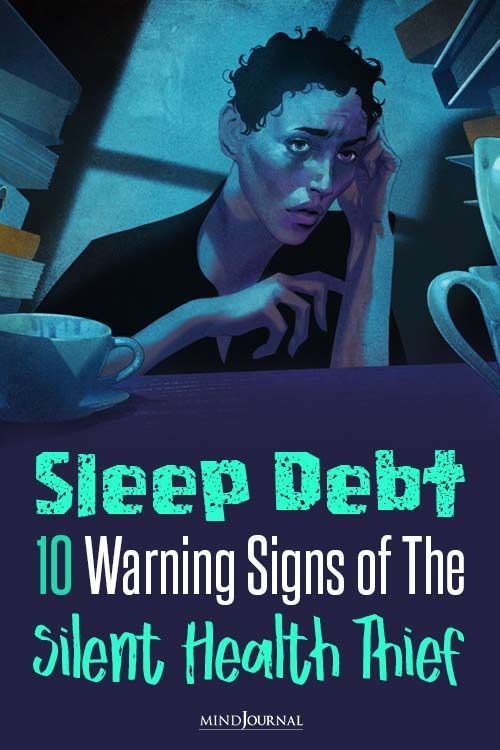
What small change can you make tonight to reduce your sleep debt? How 7 Sleep Debt Slowly Builds Up and Destroys Recovery: Sleep debt is one of the most underestimated health issues today. Many people believe that missing a few hours of sleep during the week can be “fixed” by sleeping longer on weekends. In reality, sleep debt doesn’t work like a bank balance that can be instantly repaid. It accumulates quietly and affects nearly every system in the body.
You may still function, go to work, exercise, and eat normally—but underneath, recovery processes are slowing down. Over time, this leads to fatigue, brain fog, emotional instability, weight gain, lowered immunity, and poor stress tolerance.
Sleep debt isn’t just about feeling sleepy. It’s about reduced recovery.
This guide explains what sleep debt really is, how it affects physical recovery, mental clarity, hormones, immunity, and emotional health, and how to reduce it naturally without extreme routines. From experience, addressing sleep debt often improves energy and focus more effectively than changing diet or supplements.
This article is regularly updated to reflect current wellness practices in 2026.
🔹 WHO THIS GUIDE IS FOR
This guide is for anyone who has experienced restless nights, late nights, or inconsistent sleep schedules. If you’ve noticed fatigue, slower recovery, or reduced performance, you might be dealing with sleep debt. Beginners looking to improve sleep quality and long-term health will find practical tips here. This guide is for:
People who feel tired despite “sleeping enough”
Beginners struggling with low energy or slow recovery
Anyone experiencing brain fog, irritability, or frequent illness
People trying to improve performance, mood, or metabolism
Individuals with inconsistent sleep schedules
Example
Someone may sleep 6 hours on weekdays and 9 hours on weekends, yet still feel exhausted. This pattern often creates chronic sleep debt, even though total weekly hours look acceptable.
Who Should Be Careful: People with chronic sleep disorders, medical conditions, or those on medication should seek professional advice. Severe or persistent sleep issues may require specialized support.
🔹What Is Sleep Debt?
Sleep debt occurs when the body consistently gets less restorative sleep than it needs. This includes:
Short sleep duration
Poor sleep quality
Frequent night interruptions
Lack of deep and REM sleep
Sleep debt builds gradually. The body adapts temporarily, but recovery systems remain underpowered.
Why Sleep Debt Is So Common Today
Modern life normalizes:
Late nights
Early mornings
Screen exposure
Stress-driven sleep disruption
Irregular routines
The body doesn’t complain loudly at first. Instead, it quietly reduces repair, clarity, and resilience.
Sleep Debt and Recovery – What Actually Happens
1️⃣ Sleep Debt Reduces Physical Recovery
When sleep is insufficient, the body’s repair processes slow down. Muscle recovery, tissue regeneration, and immune function are compromised, making it harder to bounce back from physical exertion.
Sleep is when the body performs its deep repair work.
What Happens During Proper Sleep
Muscle fibers repair and rebuild
Connective tissue regenerates
Inflammation is reduced
Immune cells are restored
What Sleep Debt Does to the Body
When sleep is insufficient:
Muscle soreness lasts longer
Injuries heal more slowly
Inflammation remains elevated
Physical fatigue accumulates
Real-Life Example
A person starts exercising regularly but feels constantly sore and drained. Instead of improving, performance declines. The issue is often inadequate recovery due to sleep debt, not overtraining.
Recovery doesn’t happen in the gym. It happens during sleep.
2️⃣ Sleep Debt Impairs Mental Clarity
Accumulated sleep debt affects cognitive function, leading to slower reaction times, memory lapses, and reduced focus. Over time, this can impact productivity and learning ability.
The brain relies on sleep to:
Consolidate memory
Process information
Maintain focus and reaction speed
Effects of Accumulated Sleep Debt
Slower thinking
Forgetfulness
Difficulty concentrating
Reduced creativity
Increased mistakes
Example
Someone works long hours and notices they reread the same information multiple times. This is not a motivation issue—it’s cognitive fatigue from sleep debt.
Over time, productivity decreases even if effort increases.
3️⃣ Sleep Debt Disrupts Hormonal Balance
Sleep is crucial for hormone regulation, including those that control stress, appetite, and metabolism. Chronic sleep debt leads to hormonal imbalances, contributing to weight gain, increased stress, and metabolic issues.
Sleep regulates key hormones that control:
Stress
Appetite
Metabolism
Recovery
Hormones Affected by Sleep Debt
Cortisol: stays elevated
Insulin: sensitivity decreases
Ghrelin: hunger increases
Leptin: fullness decreases
Long-Term Effects
Increased cravings
Weight gain
Poor stress tolerance
Energy instability
Example
A person eats normally but feels hungry soon after meals. Poor sleep disrupts hunger hormones, leading to overeating without real nutritional need.
4️⃣ Sleep Debt Weakens Immune Function
Adequate sleep supports the immune system. When sleep debt builds up, the body’s ability to fight off infections and repair itself diminishes, increasing vulnerability to illnesses.
The immune system relies heavily on sleep.
During Quality Sleep
Immune cells regenerate
Inflammatory balance is restored
The body repairs damage
With Sleep Debt
Increased susceptibility to colds and infections
Slower recovery from illness
Prolonged inflammation
Example
People who frequently get sick despite eating well often underestimate the role of chronic sleep debt in immune suppression.
5️⃣ Sleep Debt Increases Stress and Anxiety
Lack of proper rest raises cortisol levels, the body’s stress hormone. Over time, elevated cortisol can lead to anxiety, mood swings, and further sleep disruption.
Sleep and stress are deeply connected.
What Happens When Sleep Is Inadequate
Cortisol remains elevated
Nervous system stays in alert mode
Relaxation becomes harder
Emotional Impact
Increased anxiety
Restlessness
Racing thoughts
Difficulty falling asleep
This creates a feedback loop: stress disrupts sleep, and poor sleep increases stress.
6️⃣ Sleep Debt Affects Emotional Well-being
Emotional stability relies on quality sleep. Sleep debt can cause irritability, mood swings, and emotional exhaustion, creating a cycle of poor sleep and stress.
Emotional regulation depends on sleep quality.
Effects of Chronic Sleep Debt
Irritability
Mood swings
Emotional exhaustion
Reduced patience
Example
Someone reacts strongly to minor issues and feels emotionally drained. Improving sleep often stabilizes emotions without needing drastic interventions.
Sleep restores emotional resilience.
7️⃣ Sleep Debt Impairs Metabolic Health
Chronic sleep debt is linked to insulin resistance and impaired glucose metabolism, increasing the risk of weight gain and metabolic disorders. Metabolism is regulated during sleep.
With Adequate Sleep
Blood sugar control improves
Fat metabolism remains efficient
With Chronic Sleep Debt
Insulin resistance increases
Fat storage becomes easier
Energy crashes worsen
Example
A person experiences frequent afternoon crashes and abdominal weight gain. Sleep debt often explains these metabolic shifts.
🔹 PRACTICAL TIPS TO COMBAT SLEEP DEBT
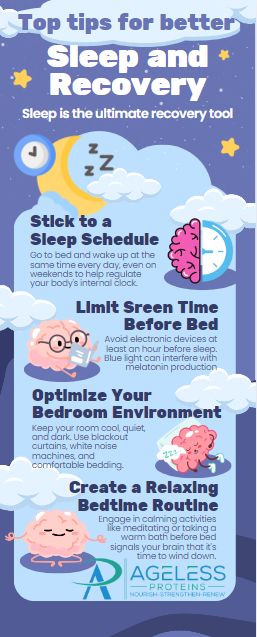
1️⃣ Establish a Consistent Sleep Schedule
Going to bed and waking up at the same time trains the body to recover efficiently.
2️⃣ Limit Screen Time Before Bed
Blue light suppresses melatonin, delaying sleep onset and reducing depth.
3️⃣ Create a Relaxing Bedtime Routine
Reading, stretching, or calm breathing helps signal safety to the nervous system.
4️⃣ Optimize the Sleep Environment
Cool temperature
Dark room
Minimal noise
These cues support deeper sleep stages.
5️⃣ Prioritize Sleep Hygiene
Avoid:
Heavy meals late at night
Caffeine in the evening
Intense workouts close to bedtime
🔹 REALITY CHECK
Sleep debt is individual and accumulates differently for everyone. Consistency and gradual adjustments are more effective than drastic changes. Restoring balance requires a long-term commitment to healthy sleep habits.
Sleep debt recovery is individual. It depends on:
Duration of accumulated debt
Lifestyle consistency
Stress levels
Small daily improvements work better than sudden extreme changes.
Improving sleep quality and reducing sleep debt can help restore energy, enhance recovery, and support overall wellness. Changes are gradual, and the benefits compound over time.As sleep debt decreases, many people notice:
Improved energy
Better focus
Reduced stress
Improved recovery
More stable mood
Benefits compound gradually and feel more sustainable.
🔹 CONCLUSION
Sleep debt silently undermines recovery, energy, metabolism, and emotional health. It doesn’t announce itself loudly—it shows up as fatigue, brain fog, and stress that feel “normal.”
By prioritizing consistent, quality sleep, you allow the body to repair itself naturally. No extreme routines are required—only alignment and patience.
Reducing sleep debt is one of the most powerful, underrated steps toward long-term wellness.
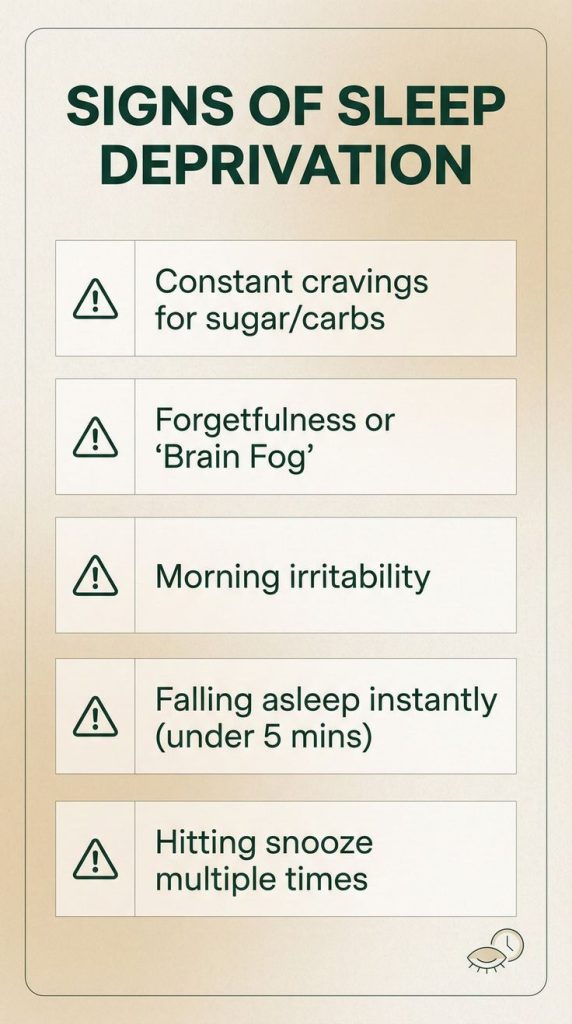
Q1: How do I know if I have sleep debt? A: Signs include persistent fatigue, reduced recovery, and cognitive issues despite adequate sleep hours.
Q2: Can sleep debt be reversed quickly? A: Reversing sleep debt takes time and consistent good sleep habits.
Q3: Does napping help with sleep debt? A: Short, strategic naps can help, but they don’t replace the need for quality nighttime sleep.
Q4: Is sleep debt linked to weight gain? A: Yes, chronic sleep debt can disrupt metabolism and increase weight gain risk.
Q5: Can stress worsen sleep debt? A: Yes, stress and sleep debt create a cycle of poor sleep and increased cortisol.
Q6: How can I improve sleep quality naturally? A: Consistent routines, a good sleep environment, and limiting late-night stimulants are key.
Q7: Does caffeine affect sleep debt? A: Late-day caffeine can worsen sleep debt by disrupting sleep patterns.
Q8: How long does it take to recover from sleep debt? A: Recovery varies, but consistent sleep improvements lead to gradual restoration.
Q9: Can poor sleep affect mood? A: Yes, sleep debt often leads to irritability and emotional instability.
Q10: How can I maintain good sleep habits? A: Consistency, a relaxing bedtime routine, and a supportive environment are essential.
👤
About the Author & Editorial Review
Puma U
Content on BioHelixa is created by Puma U, a certified Lab Technician (DMLT) with over 10 years of experience in public health and laboratory science, including clinical exposure within India's National Rural Health Mission (NRHM). His background in laboratory diagnostics and metabolic science provides practical insight into how cellular biology, hormones, and bio-tracking influence human performance.
📋 Editorial Review
Select health-related content on BioHelixa may be reviewed by Dr. Prashant G (MBBS), a practicing medical doctor, to support general accuracy and improve content quality. This review is intended for educational quality assurance only and does not represent formal medical certification or individualized medical advice.
⚠️ Disclaimer: This content is for educational and informational purposes only and is not intended as a substitute for professional medical advice, diagnosis, or treatment.