Which one small change can you start tonight to support deeper sleep?Deep Sleep Regulates Hormones, Weight, and Brain Health : Most people believe that sleeping longer automatically means better health. That’s why many try to get seven or eight hours in bed and still feel confused when they wake up exhausted, foggy, or craving sugar before breakfast. The missing piece is deep sleep quality.
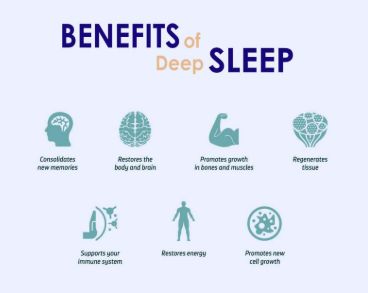
Deep sleep is the most restorative phase of sleep. It’s the stage where your body repairs tissues, balances hormones, clears brain waste, strengthens immunity, and restores physical energy. Without enough deep sleep, the body may technically be “resting,” but it is not recovering.
You can eat clean, exercise regularly, and still struggle with:
Weight gain that doesn’t make sense
Brain fog and poor focus
Low motivation and energy crashes
Increased stress and emotional eating
In many cases, the root cause isn’t diet or discipline — it’s poor deep sleep.
This guide explains how deep sleep regulates hormones, weight, and brain health, why it is commonly disrupted today, and how small, realistic habits can gradually improve it. From experience, improving deep sleep feels far more sustainable than chasing extreme diets, supplements, or biohacks.
This article is regularly updated to reflect current wellness practices in 2026.
Anyone struggling with energy, focus, cravings, or weight despite healthy habits
People feeling wired at night but exhausted during the day
Example: Someone may follow a balanced diet and light exercise routine, yet still rely on caffeine to function. Instead of changing food again, improving deep sleep often delivers better results.
Who Should Be Careful
People with diagnosed sleep disorders, chronic insomnia, sleep apnea, hormonal conditions, or those on long-term medication should seek personal medical guidance before making major changes. Persistent or severe sleep issues deserve professional attention.
Why Poor Deep Sleep Is So Common Today
Deep sleep used to occur naturally when human life followed daylight, physical movement, and natural darkness. Modern life quietly disrupts all three.
Common deep sleep disruptors include:
Late-night screen exposure
Irregular sleep schedules
Chronic mental stress
Overstimulation before bed
Late or heavy meals
Constant notifications and noise
The nervous system stays in alert mode, even when the body is lying still. As a result, many people spend more time in light sleep and less time in deep sleep — without realizing it.
What Usually Goes Wrong
Most people focus on:
Sleep duration (hours)
Sleep trackers without behavior change
Quick fixes like supplements
Instead of addressing:
Sleep depth
Nervous system calm
Consistency and recovery signals
This mismatch is why sleep problems persist despite “doing everything right.”
Deep Sleep Benefits – What Actually Helps the Body
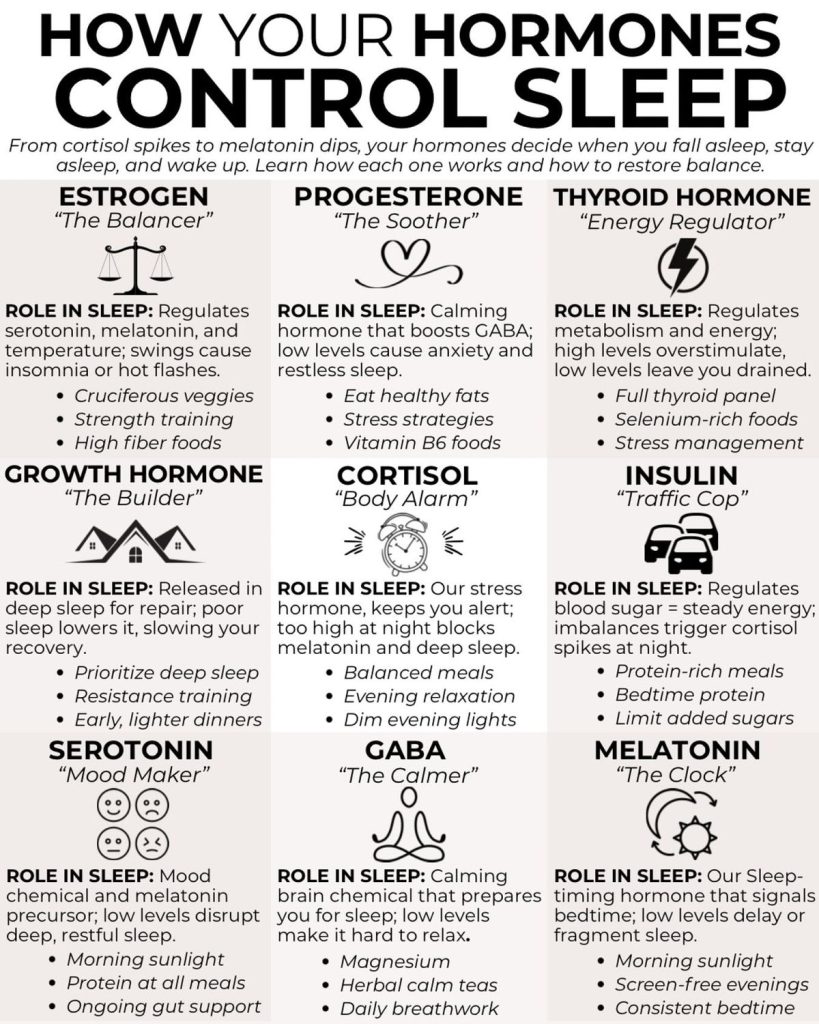
1️⃣ Deep Sleep Balances Hunger and Satiety Hormones
Deep sleep plays a major role in regulating ghrelin (hunger hormone) and leptin (fullness hormone).
What Happens Without Enough Deep Sleep
When deep sleep is reduced:
Ghrelin increases → you feel hungrier
Leptin decreases → you don’t feel satisfied
Cravings intensify, especially for sugar and refined carbs
This leads to:
Eating more without feeling full
Late-night snacking
“Unexplained” weight gain
Real-Life Example
Someone sleeps 7 hours but wakes up craving sweets and snacks frequently throughout the day. Their diet hasn’t changed — but their hormonal signals are distorted due to poor deep sleep.
Why This Matters
Weight gain is often blamed on lack of willpower. In reality, sleep-deprived hormones push the body toward overeating.
2️⃣ Deep Sleep Activates Growth Hormone Release
Growth hormone is released primarily during deep sleep. It supports:
Fat metabolism
Muscle repair
Skin and tissue regeneration
Cellular recovery
What Happens When Deep Sleep Is Poor
Lower growth hormone output
Slower recovery from workouts
Reduced fat burning efficiency
Faster physical aging
Example
Two people eat the same diet and exercise equally. One recovers faster and sees better body composition changes — often because their deep sleep supports growth hormone release.
Deep sleep doesn’t just help athletes. It helps anyone trying to maintain healthy body composition.
3️⃣ Deep Sleep Improves Insulin Sensitivity
Deep sleep allows the body to process blood sugar more efficiently.
When Deep Sleep Is Disrupted
Insulin sensitivity decreases
Blood sugar spikes become more common
Energy crashes appear after meals
Fat storage increases, especially around the abdomen
Example
Someone feels sleepy after eating simple meals and relies on caffeine to stay alert. Poor deep sleep often explains this pattern.
Over time, impaired insulin sensitivity increases the risk of metabolic imbalance.
4️⃣ Deep Sleep Detoxifies the Brain
During deep sleep, the brain activates the glymphatic system, which clears waste proteins linked to:
Brain fog
Memory issues
Reduced focus
Cognitive fatigue
Without Enough Deep Sleep
Mental clarity decreases
Learning becomes harder
Decision-making slows
Focus weakens
Example
A person may feel mentally “cloudy” even after rest days. The issue is not intelligence or motivation — it’s insufficient brain detox during deep sleep.
👉 Internal link suggestion: BioHelixa brain focus and mental clarity guide
5️⃣ Deep Sleep Reduces Stress Hormones
Cortisol (stress hormone) naturally drops during deep sleep.
When Deep Sleep Is Fragmented
Cortisol stays elevated
The body remains in fight-or-flight mode
Digestion suffers
Fat storage increases
Anxiety becomes more frequent
Example
People who wake up anxious or tense often experience poor cortisol regulation due to shallow sleep, not emotional weakness.
Deep sleep teaches the body how to feel safe again.
6️⃣ Deep Sleep Stabilizes Mood and Emotions
Neurotransmitters such as serotonin and dopamine reset during deep sleep.
Poor Deep Sleep Can Lead To
Irritability
Emotional eating
Low motivation
Anxiety or mood swings
Example
Someone feels emotionally reactive and exhausted even without obvious stress. Improving deep sleep often stabilizes emotions without therapy or medication.
7️⃣ Deep Sleep Restores Physical Energy
Deep sleep is when:
Cells repair damage
Mitochondria restore energy production
Muscles and tissues recover
Without Enough Deep Sleep
Fatigue builds quickly
Exercise feels harder
Daily tasks feel draining
👉 Internal link suggestion: BioHelixa performance and energy optimization post
Energy is not created by stimulants — it’s restored during deep sleep.
8️⃣ Deep Sleep Supports Long-Term Brain Health
Consistent deep sleep supports:
Memory retention
Learning ability
Cognitive resilience
Long-term mental sharpness
Over time, better deep sleep may help preserve decision-making and clarity as we age.
REALITY CHECK
Deep sleep improvement is not instant. It responds best to:
Small changes
Consistent routines
Reduced stimulation
Extreme hacks often backfire. Gentle alignment works better.
Reduced screen exposure at night | Daily | Beginner-friendly
Cool, dark sleep environment | Nightly | Beginner-friendly
Light evening meals | Most days | Beginner-friendly
🔹 WHAT RESULTS CAN YOU EXPECT OVER TIME
With consistent deep sleep support, many people notice:
More stable appetite
Clearer thinking
Improved energy
Better emotional balance
Reduced cravings
Results build gradually — often within weeks, not days.
🔹 CONCLUSION
Deep sleep is the foundation of hormone balance, healthy weight regulation, and brain recovery. Without it, even the best diet and exercise plan struggles to work.
Instead of chasing quick fixes, focus on:
Sleep depth
Nervous system calm
Consistent routines
Small improvements in deep sleep can create powerful long-term changes.
Q1: How much deep sleep is ideal? A: It varies, but consistent quality sleep naturally supports healthy deep sleep cycles.
Q2: Can diet affect deep sleep? A: Yes. Heavy or late meals often reduce deep sleep quality.
Q3: Does stress reduce deep sleep? A: Chronic stress shortens deep sleep duration.
Q4: Is deep sleep more important than total sleep hours? A: Both matter, but deep sleep drives recovery.
Q5: Can exercise improve deep sleep? A: Moderate daily movement often helps.
Q6: Do naps affect deep sleep? A: Long or late naps may interfere.
Q7: Does caffeine reduce deep sleep? A: Late-day caffeine can reduce depth.
Q8: Can screen light affect deep sleep? A: Yes, by disrupting melatonin.
Q9: How fast can deep sleep improve? A: Gradually, with consistent habits.
Q10: Is deep sleep linked to weight control? A: Yes, through hormone regulation.
👤
About the Author & Editorial Review
Puma U
Content on BioHelixa is created by Puma U, a certified Lab Technician (DMLT) with over 10 years of experience in public health and laboratory science, including clinical exposure within India's National Rural Health Mission (NRHM). His background in laboratory diagnostics and metabolic science provides practical insight into how cellular biology, hormones, and bio-tracking influence human performance.
📋 Editorial Review
Select health-related content on BioHelixa may be reviewed by Dr. Prashant G (MBBS), a practicing medical doctor, to support general accuracy and improve content quality. This review is intended for educational quality assurance only and does not represent formal medical certification or individualized medical advice.
⚠️ Disclaimer: This content is for educational and informational purposes only and is not intended as a substitute for professional medical advice, diagnosis, or treatment.