Which of these daily biohacks feels easiest for you to start today? Aging is often misunderstood. Most people think it begins with wrinkles, grey hair, or visible physical changes. In reality, aging starts much earlier and much deeper. Low daily energy, poor sleep quality, slow recovery, frequent stiffness, brain fog, and reduced stress tolerance are some of the earliest signs. These changes usually appear quietly, years before anything shows on the outside.
In today’s fast-paced lifestyle, aging feels faster than ever. Irregular sleep schedules, constant screen exposure, processed foods, long sitting hours, and ongoing stress send confusing signals to the body. Over time, these signals interfere with the body’s natural repair and recovery systems. The result is not sudden illness, but gradual decline in how the body feels and functions.
This is where simple daily biohacks become relevant.
Biohacking does not mean extreme routines, expensive devices, or experimental protocols. At its core, biohacking simply means understanding how the body works and making small, intentional adjustments that support its natural rhythms. These adjustments are often simple, low-cost, and sustainable.
From experience and observation, small habits practiced consistently are far more effective than drastic changes that are hard to maintain. This guide focuses on realistic, beginner-friendly biohacks that fit into everyday life. These habits support healthy aging by working with the body, not against it.
This article is regularly updated to reflect current wellness practices in 2026.
Who This Guide Is For
This guide is for people who want simple daily habits that fit into real life without feeling overwhelming. For example, someone managing family, work, and personal responsibilities who still wants to support long-term health will find these habits practical and realistic. It is especially useful for beginners who want sustainable routines instead of quick fixes, extreme diets, or complicated protocols.
This guide is designed for people who want to support long-term health without turning wellness into a full-time job.
It is especially helpful for:
Busy professionals managing work, family, and personal responsibilities
Beginners who want sustainable routines instead of extreme protocols
People who feel low energy, poor sleep, or slow recovery but don’t want shortcuts
Anyone interested in aging well, not just living longer
These habits are practical and adaptable. You don’t need perfect schedules, special equipment, or strict discipline to start.
Who Should Be Careful
People with specific medical conditions, ongoing treatments, or special dietary needs should seek personal guidance before making changes. For example, someone with chronic illness or recovery needs may need personalized advice rather than general wellness tips.
This guide focuses on general lifestyle habits, not medical treatment.
People with:
Chronic medical conditions
Ongoing medical treatments
Special dietary requirements
Recovery or rehabilitation needs
should seek personalized guidance before making changes. These habits are supportive, not corrective, and should complement professional advice when needed.
Why Aging Feels Faster Today
Modern lifestyles often work against the body’s natural rhythm. Long sitting hours, poor sleep timing, artificial lighting, and constant notifications confuse biological signals that regulate repair and recovery. Many people struggle because they try to fix aging with isolated solutions instead of daily consistency. What usually goes wrong is expecting fast results while ignoring small habits that quietly compound over time.
The human body evolved around predictable rhythms: daylight and darkness, movement and rest, stress and recovery. Modern life disrupts these rhythms constantly.
Some common contributors include:
Sitting for long hours with minimal movement
Sleeping late and waking at inconsistent times
Exposure to artificial light late at night
Constant notifications and mental stimulation
Eating quickly or under stress
The problem is not one single habit. It is the accumulation of small disruptions, repeated daily, that gradually shifts the body into a state of poor recovery.
Many people try to fix aging with isolated solutions: a supplement, a detox, a new workout, or a gadget. What usually goes wrong is expecting fast results while ignoring daily consistency.
Healthy aging is not about intensity. It is about signals. The body responds to repeated signals over time. Simple habits send clear signals that support repair, balance, and resilience.
Simple Daily Biohacks – What Actually Helps
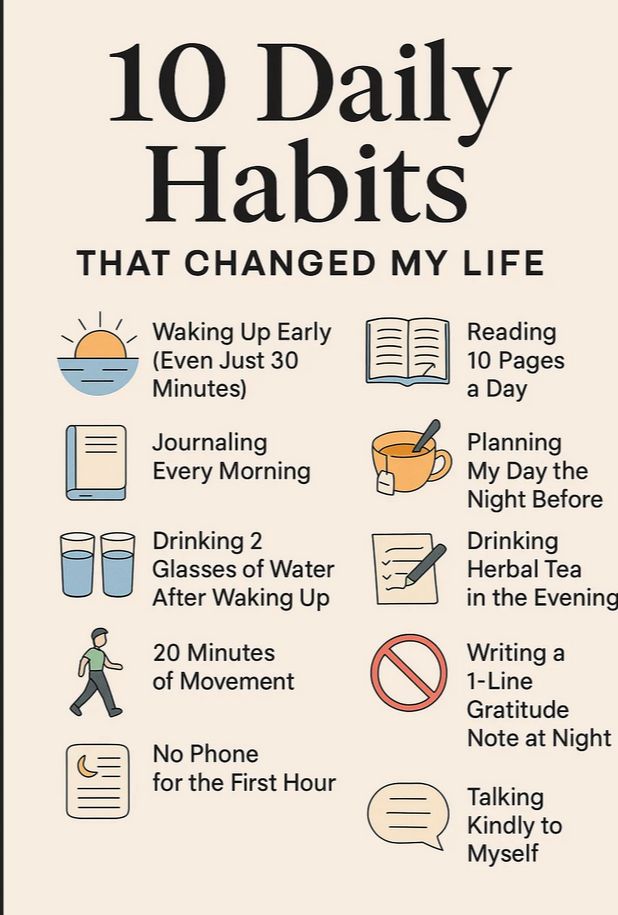
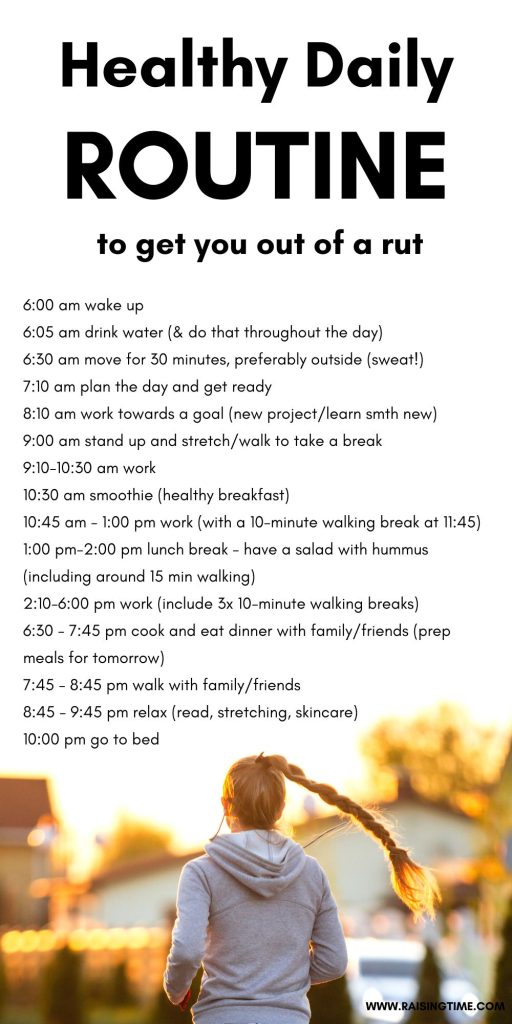
Below are 10 practical daily biohacks that support healthy aging when practiced consistently.
1. Morning Light Exposure
Getting natural light within the first hour of waking helps signal the body’s internal clock. This can be as simple as stepping outside for a few minutes or sitting near a window. In daily life, this fits easily into morning routines like watering plants or having tea near sunlight. It helps support better sleep timing and daily energy regulation without relying on stimulants.
Natural light exposure soon after waking is one of the most powerful yet overlooked habits.
Why it matters
Morning light helps set the body’s internal clock, also known as the circadian rhythm. This clock regulates:
Sleep and wake cycles
Hormone release
Energy levels
Appetite and metabolism
When the body receives light early in the day, it understands when to be alert and when to prepare for rest later.
How it supports aging
A well-regulated circadian rhythm supports better sleep quality, hormonal balance, and daily energy. Poor sleep and hormonal disruption are strongly linked with accelerated aging.
Real-life example
You don’t need to stare at the sun or go for long walks. Simple actions work:
Step outside for 5–10 minutes
Sit near a window while drinking tea
Water plants on a balcony or terrace
Consistency matters more than duration.
2. Gentle Daily Movement
Movement does not need to mean intense workouts. Light walking, stretching, or mobility exercises help keep joints active and circulation steady. For example, a short walk after meals or gentle stretches while doing household work can make movement effortless. I have seen this work for many people when followed consistently, especially those who struggle with rigid exercise plans.
Movement is not just about fitness. It is a signal to the body that it is still needed, active, and adaptable.
Why it matters
As the body ages, inactivity leads to:
Joint stiffness
Reduced circulation
Muscle loss
Slower recovery
Daily movement keeps tissues hydrated, joints mobile, and blood flow steady.
How it supports aging
Gentle movement reduces stiffness, supports metabolic health, and maintains functional strength. This helps preserve independence and mobility over time.
Real-life example
Movement does not require gym sessions:
Short walks after meals
Light stretching while watching TV
Standing and moving during phone calls
Household activities done mindfully
Many people find this approach easier to maintain than rigid workout plans.
3. Consistent Sleep Timing
Sleeping and waking at similar times daily supports the body’s repair processes. Even if sleep duration varies, consistent timing helps the nervous system settle into rhythm. In real life, this means choosing a realistic bedtime that works most days instead of forcing perfection. This habit supports recovery without needing supplements or devices.
Sleep quality matters, but sleep timing is equally important.
Why it matters
The body repairs itself most effectively when sleep occurs at consistent times. Irregular sleep schedules confuse the nervous system and disrupt hormone release.
How it supports aging
Consistent sleep timing supports:
Cellular repair
Memory consolidation
Immune function
Stress regulation
Poor sleep accelerates aging from the inside.
Real-life example
Instead of aiming for perfect sleep, aim for predictable sleep:
Choose a bedtime you can follow most days
Wake up at similar times, even on weekends
Consistency matters more than duration perfection.
4. Protein Awareness at Meals
Including a reasonable protein source in each meal supports muscle maintenance as the body ages. This does not require strict tracking. Simple awareness, such as adding lentils, eggs, yogurt, or nuts to meals, fits naturally into existing diets. Over time, this supports strength and daily function.
Protein becomes more important as the body ages.
Why it matters
With age, the body becomes less efficient at maintaining muscle. Muscle is not just for appearance—it supports:
Strength
Balance
Metabolism
Injury prevention
How it supports aging
Adequate protein helps preserve muscle mass and functional strength, which are key markers of healthy aging.
Real-life example
This does not require tracking macros:
Add lentils or beans to meals
Include eggs, yogurt, or paneer
Use nuts and seeds as toppings
Simple awareness goes a long way.
5. Reducing Late-Night Screen Exposure
Bright screens at night can interfere with natural sleep signals. Reducing screen use before bed or dimming lights helps the body wind down. For example, switching to reading or quiet music before sleep supports relaxation without major effort. Small adjustments here often improve sleep quality over time.
Light exposure at night sends the wrong signals to the brain.
Why it matters
Bright screens suppress natural sleep signals and delay relaxation. This affects sleep quality even if total sleep time seems adequate.
How it supports aging
Better sleep quality supports:
Hormonal balance
Brain health
Recovery and repair
Real-life example
Small adjustments help:
Dim lights after sunset
Reduce screen brightness
Switch to reading or calm music
You don’t need to eliminate screens—just reduce intensity.
6. Hydration Spread Across the Day
Drinking water steadily throughout the day supports digestion, circulation, and energy. Instead of forcing large amounts at once, spacing intake fits better into daily routines. This habit supports internal balance without extremes.
Hydration supports nearly every system in the body.
Why it matters
Dehydration affects:
Energy levels
Digestion
Circulation
Cognitive function
Many people drink too little during the day and try to compensate at night.
How it supports aging
Steady hydration supports internal balance and tissue health.
Real-life example
Keep water nearby
Sip regularly instead of forcing large amounts
Drink with meals and between tasks
Consistency beats volume.
7. Simple Stress Pauses
Short pauses during the day help the nervous system reset. This could be slow breathing, stepping outside briefly, or sitting quietly for a minute. These pauses fit easily between tasks and support emotional balance over time.
Stress is not the enemy. Chronic stress without recovery is.
Why it matters
Ongoing stress keeps the nervous system in a constant alert state. Over time, this affects sleep, digestion, immunity, and emotional balance.
How it supports aging
Short recovery pauses signal safety and allow the nervous system to reset.
Real-life example
1–2 minutes of slow breathing
Stepping outside briefly
Sitting quietly between tasks
These pauses accumulate into resilience.
8. Eating With Awareness
Slowing down during meals supports digestion and satisfaction. For example, eating without distractions or chewing more slowly helps the body process food better. This habit supports gut comfort and reduces overeating tendencies.
How you eat matters as much as what you eat.
Why it matters
Eating under stress or distraction reduces digestive efficiency and satisfaction.
How it supports aging
Better digestion supports nutrient absorption and gut comfort, both important for long-term health.
Real-life example
Eat without screens
Chew slowly
Notice hunger and fullness
This habit naturally reduces overeating.
9. Evening Wind-Down Ritual
Creating a predictable evening routine helps signal the body to prepare for rest. This could include light stretching, journaling, or calming music. Over time, this consistency supports better sleep and recovery.
The body responds to patterns.
Why it matters
A predictable evening routine signals the body that rest is coming.
How it supports aging
Better transitions into sleep support deeper rest and recovery.
Real-life example
Light stretching
Journaling
Calm music
Reading
It doesn’t need to be long—just consistent.
10. Long-Term Consistency Over Intensity
The most effective biohack is consistency. Small habits practiced daily support the body more than intense routines done occasionally. Aging support comes from steady signals, not sudden changes.
This is the most important biohack.
Why it matters
The body adapts to repeated signals, not occasional effort.
How it supports aging
Small habits practiced daily support resilience, balance, and recovery better than extreme routines done occasionally.
Real-life example
Doing 70% consistently beats doing 100% rarely.
Reality Check
Results vary from person to person, and changes happen gradually. Small steps matter more than quick changes, and consistency supports long-term wellness. These habits are supportive, not corrective, and work best when integrated naturally into daily life. These habits are supportive, not magical. Results vary, and changes happen gradually. There are no guarantees or timelines. What matters is consistency over time.
Quick Reference Checklist
Habit: Morning light exposure | How Often: Daily | Beginner-Friendly: Yes Habit: Gentle movement | How Often: Daily | Beginner-Friendly: Yes Habit: Consistent sleep timing | How Often: Daily | Beginner-Friendly: Yes Habit: Protein awareness | How Often: Daily | Beginner-Friendly: Yes Habit: Stress pauses | How Often: Daily | Beginner-Friendly: Yes
What Results Can You Expect Over Time
These habits may help support better energy, can support improved sleep patterns, and often improve daily comfort and focus when practiced consistently. No timelines or guarantees, just gradual support.
When practiced consistently, these habits may support:
Better daily energy
Improved sleep patterns
Reduced stiffness
Improved focus
Better emotional balance
Changes are subtle at first but meaningful over time.
Conclusion
Healthy aging is not about perfection. It is about choosing small actions that fit into your life and repeating them consistently. Even one or two habits practiced daily can make a meaningful difference over time.
Start small. Stay consistent. Build gradually.
You may want to save or bookmark this guide and explore related BioHelixa posts to continue learning.
Q1: Are biohacks safe for beginners? A: Simple daily biohacks focus on habits that fit naturally into life and are generally beginner-friendly.
Q2: Do I need supplements for biohacking? A: No, many biohacks rely on lifestyle habits rather than supplements.
Q3: How long before noticing changes? A: Results vary, and benefits often build gradually with consistency.
Q4: Can busy people follow these habits? A: Yes, these habits are designed to fit into normal routines.
Q5: Is aging reversible with biohacks? A: Biohacks may help support healthy aging but do not reverse aging.
Q6: Are devices required for biohacking? A: No devices are required for the habits discussed here.
Q7: Can these habits improve sleep? A: Many of these habits can support better sleep patterns over time.
Q8: Is diet more important than movement? A: Both support the body in different ways and work best together.
Q9: Can stress really affect aging? A: Ongoing stress can influence how the body feels and functions over time.
Q10: How do simple daily biohacks support aging naturally? A: They support the body’s natural rhythms, recovery processes, and long-term balance through consistent habits.
👤
About the Author & Editorial Review
Puma U
Content on BioHelixa is created by Puma U, a certified Lab Technician (DMLT) with over 10 years of experience in public health and laboratory science, including clinical exposure within India's National Rural Health Mission (NRHM). His background in laboratory diagnostics and metabolic science provides practical insight into how cellular biology, hormones, and bio-tracking influence human performance.
📋 Editorial Review
Select health-related content on BioHelixa may be reviewed by Dr. Prashant G (MBBS), a practicing medical doctor, to support general accuracy and improve content quality. This review is intended for educational quality assurance only and does not represent formal medical certification or individualized medical advice.
⚠️ Disclaimer: This content is for educational and informational purposes only and is not intended as a substitute for professional medical advice, diagnosis, or treatment.