Hidden Gut Inflammation Triggers Cause Bloating, Brain Fog, and Fatigue : Many people live with daily bloating, mental fog, or constant tiredness and assume it’s normal. Some blame stress, others blame age, busy schedules, or lack of motivation. What often goes unnoticed is that these symptoms are rarely isolated. In many cases, they are connected by a single hidden factor: low-grade gut inflammation.
Unlike sudden stomach pain or food poisoning, hidden gut inflammation develops quietly. There may be no sharp pain or dramatic symptoms—just a steady feeling of heaviness, sluggish thinking, and low energy. Over time, digestion becomes less efficient, nutrient absorption weakens, and communication between the gut and brain becomes disrupted.
When the gut is inflamed, the body spends more energy managing internal stress instead of producing usable energy. This is why people may eat “healthy” meals yet still feel bloated, foggy, or exhausted.
From my experience, once people start supporting gut inflammation balance through simple, daily habits, they often describe feeling:
Lighter after meals
Clearer mentally
More stable energy throughout the day
This article explains how hidden gut inflammation triggers bloating, brain fog, and fatigue, and how longevity-focused habits can help restore balance naturally.
This article is regularly updated to reflect current wellness practices in 2026.
Who This Guide Is For
This guide is for:
People who feel bloated after most meals
Those experiencing brain fog or poor focus
Individuals with unexplained fatigue despite adequate sleep
Beginners looking for natural, sustainable gut support
For example, someone who eats home-cooked meals but still feels heavy, mentally slow, or drained may be dealing with subtle gut inflammation rather than a calorie or motivation issue.
Who Should Be Careful
People with:
Diagnosed inflammatory bowel conditions
Autoimmune disorders
Chronic digestive illnesses
Long-term medication use
should seek personalized guidance. Persistent or severe symptoms may require professional evaluation.
Why Hidden Gut Inflammation Affects the Whole Body
The gut is not just a digestive organ—it is deeply connected to the immune system, nervous system, and brain.
When the gut lining becomes irritated:
Inflammatory signals increase
Nutrient absorption becomes inefficient
Gut–brain communication weakens
Energy production declines
This can lead to:
Bloating: from poor digestion and gas buildup
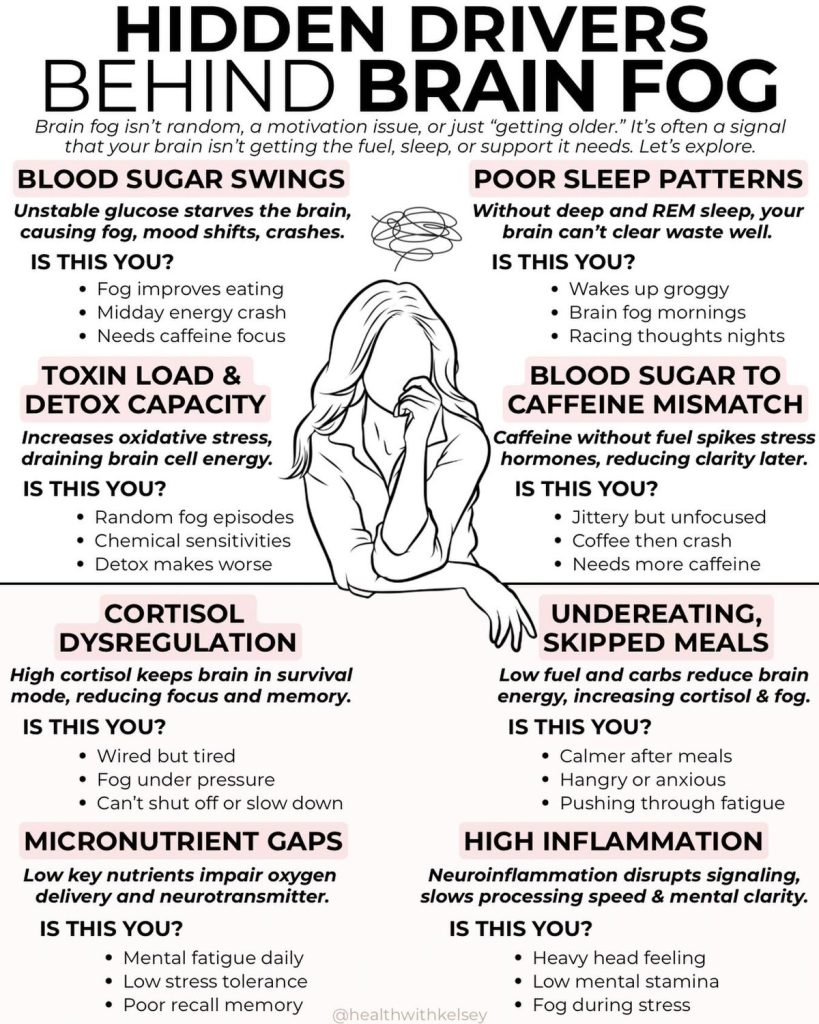
Brain fog: from disrupted signaling and inflammation-related fatigue
Fatigue: because nutrients are not converted efficiently into energy
Modern lifestyle factors often worsen this cycle:
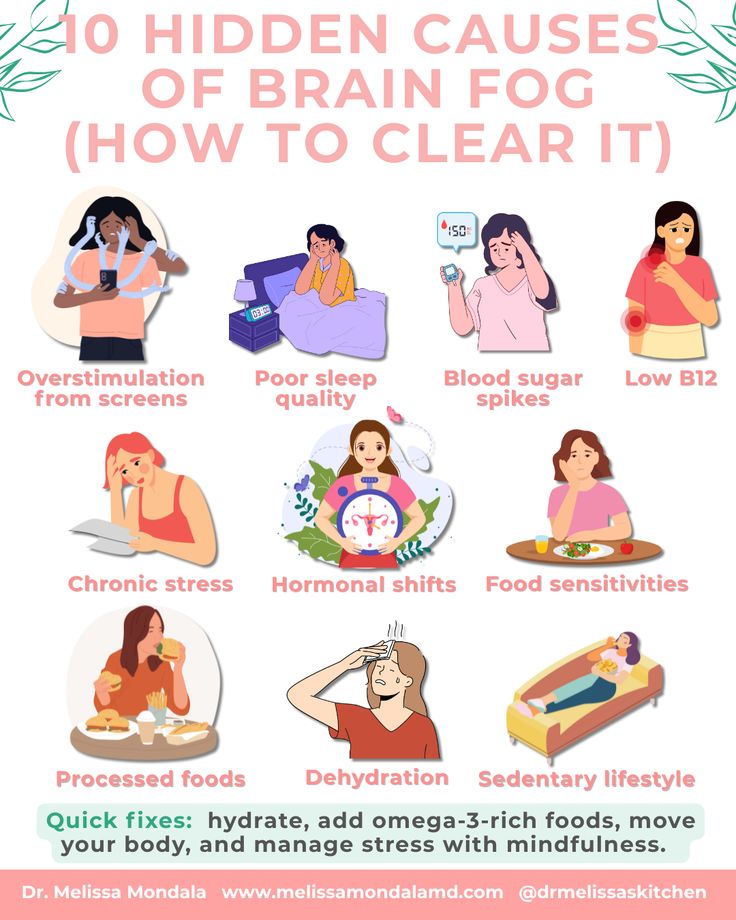
Highly processed foods
Chronic psychological stress
Poor sleep routines
Constant snacking
Irregular meal timing
What usually goes wrong is treating symptoms individually—antacids for bloating, caffeine for fatigue, supplements for focus—without addressing the underlying inflammatory stress in the gut.
How Daily Habits Help Reduce Hidden Gut Inflammation Naturally
1. Simplify Meals to Reduce Digestive Stress
Complex meals with many ingredients increase digestive workload.
Why this matters
Every ingredient requires digestion. Highly processed foods, sauces, and additives increase irritation and inflammatory signaling in sensitive guts.
Hidden gut inflammation often connects bloating, brain fog, and fatigue into one ongoing cycle. Addressing this cycle requires daily, supportive habits, not aggressive fixes.
By simplifying meals, managing stress, supporting gut bacteria, and maintaining consistent routines, the gut can gradually calm down—allowing energy and mental clarity to return naturally.
Focus on steady progress, not perfection. Bookmark this guide and explore related BioHelixa Gut Health & Longevity posts to continue building a resilient foundation.
Q1: Can gut inflammation cause brain fog? A: Yes, gut inflammation can affect gut–brain communication and mental clarity.
Q2: Is bloating always caused by gut inflammation? A: Not always, but chronic bloating is often linked to irritation or imbalance.
Q3: Can stress really inflame the gut? A: Chronic stress can increase inflammatory signals in the digestive system.
Q4: Are supplements required to reduce gut inflammation? A: Many people benefit from lifestyle habits before considering supplements.
Q5: How long does gut inflammation take to improve? A: Improvements are gradual and depend on consistency.
Q6: Does sleep affect gut inflammation? A: Yes, poor sleep can increase inflammation throughout the body.
Q7: Can hydration reduce bloating? A: Proper hydration supports digestion and waste removal.
Q8: Is constant snacking bad for gut health? A: Frequent snacking can reduce gut recovery time.
Q9: Do fermented foods help everyone? A: Most people benefit, but individual responses vary.
Q10: How does hidden gut inflammation trigger fatigue? A: Inflammation interferes with nutrient absorption and energy production.
👤
About the Author & Editorial Review
Puma U
Content on BioHelixa is created by Puma U, a certified Lab Technician (DMLT) with over 10 years of experience in public health and laboratory science, including clinical exposure within India's National Rural Health Mission (NRHM). His background in laboratory diagnostics and metabolic science provides practical insight into how cellular biology, hormones, and bio-tracking influence human performance.
📋 Editorial Review
Select health-related content on BioHelixa may be reviewed by Dr. Prashant G (MBBS), a practicing medical doctor, to support general accuracy and improve content quality. This review is intended for educational quality assurance only and does not represent formal medical certification or individualized medical advice.
⚠️ Disclaimer: This content is for educational and informational purposes only and is not intended as a substitute for professional medical advice, diagnosis, or treatment.