Digestion-Focused Habits Restore Energy and Reduce Daily Fatigue Naturally : Many people blame constant tiredness on long work hours, stress, or poor sleep. While these factors matter, one hidden and often ignored cause of low energy is poor digestion.
Food is the body’s primary source of energy. But if digestion is inefficient, even nutritious meals cannot be fully converted into usable fuel. Instead of steady energy, the body experiences crashes, cravings, and mental fog. This leads many people to rely on coffee, sugar, or stimulants—temporary fixes that do not address the root issue.
Signs of digestion-related fatigue often include:
Feeling tired after meals
Bloating or heaviness
Irregular hunger or cravings
Mid-day energy crashes
Brain fog despite enough sleep
Longevity and gut-focused habits aim to improve how the body extracts energy from food, not just how much food is eaten.
From my experience, people who improve digestion through small daily habits often notice smoother energy throughout the day, fewer crashes, and better overall vitality.
This article is regularly updated to reflect current wellness practices in 2026.
Who This Guide Is For
This guide is for:
People who feel low energy despite sleeping enough
Office workers with sedentary routines and digestive discomfort
Busy parents who feel drained even with balanced meals
Beginners who want natural, sustainable energy improvement
For example, someone who eats regular meals but feels sleepy, bloated, or unfocused afterward may be experiencing digestion-related fatigue rather than a true energy deficiency.
should seek personalized guidance. Digestive fatigue linked to medical conditions may require professional support.
Why Poor Digestion Reduces Energy
Digestion is the process that converts food into usable energy. When digestion is inefficient, several things happen:
Nutrients are poorly absorbed
Blood sugar becomes unstable
The gut becomes inflamed or sluggish
Energy production drops
Instead of fueling cells properly, food may:
Sit heavily in the stomach
Ferment in the gut
Trigger bloating or discomfort
Create cravings for quick energy foods
Modern habits worsen this problem:
Eating too fast
Skipping meals or eating irregularly
Highly processed foods
Chronic stress
Sitting for long hours
Treating fatigue with stimulants ignores the core issue. Improving digestion restores the body’s natural ability to produce energy consistently.
How Daily Digestion Habits Improve Energy Naturally
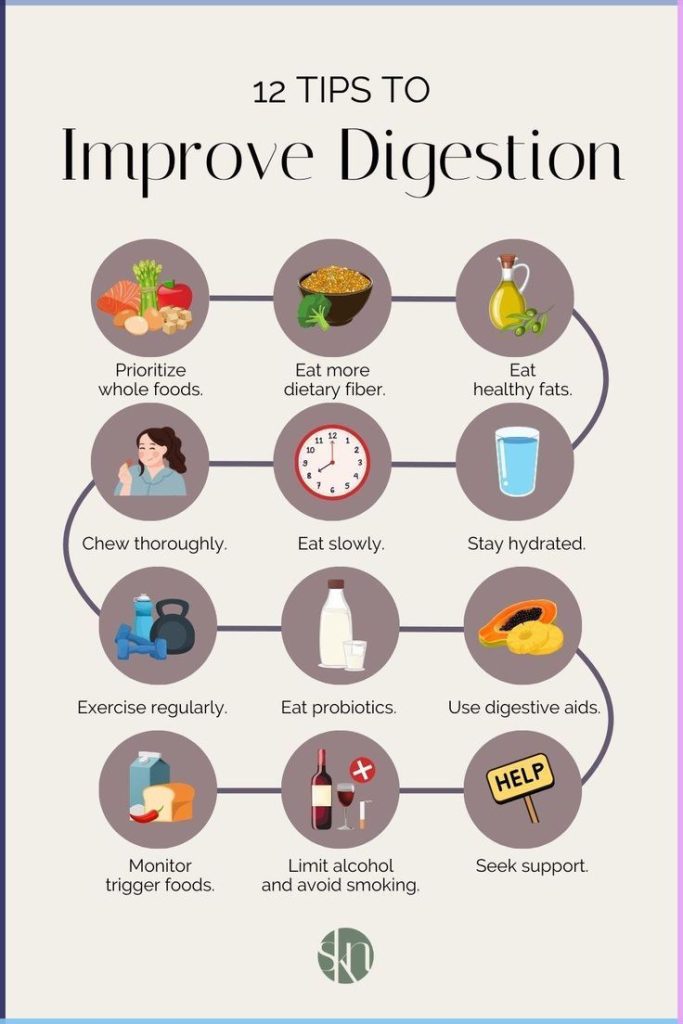
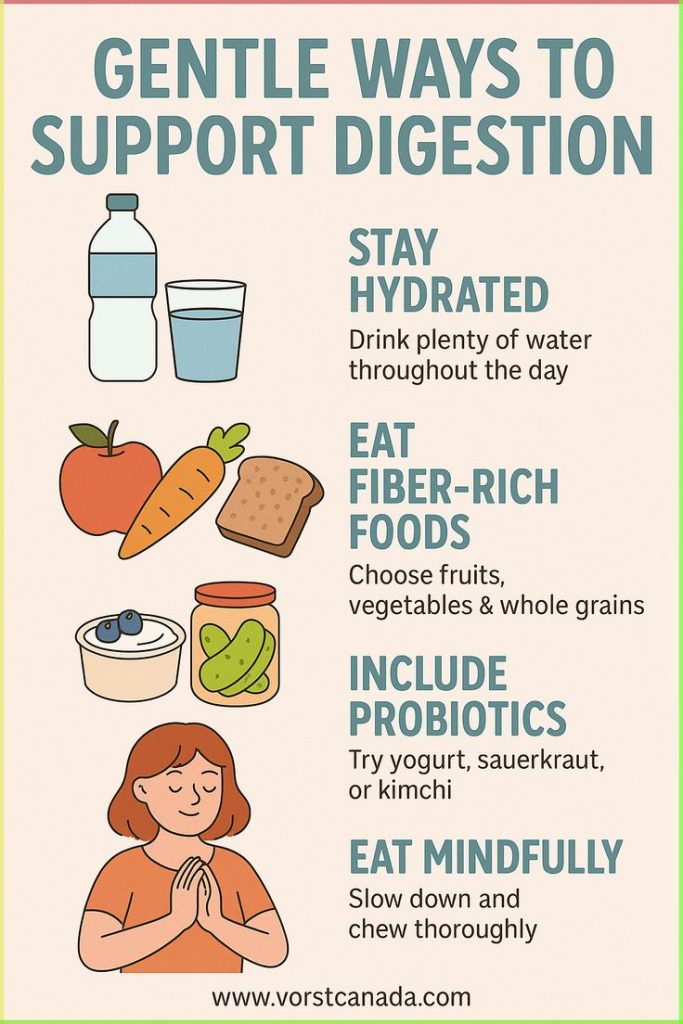
1. Eat Mindfully and Slowly
Eating speed directly affects digestion quality.
Why this matters
Digestion begins in the mouth. Chewing breaks food into smaller particles and signals the stomach to release digestive enzymes. When food is swallowed too quickly, digestion becomes inefficient, leading to bloating and fatigue.
Energy connection
Poorly digested food requires more effort from the body, diverting energy away from daily tasks.
Real-life example
Sit down for meals
Chew each bite thoroughly
Avoid screens during eating
Many people report less heaviness and better post-meal energy simply by slowing down.
2. Include Natural Digestive Enzyme Foods
The body produces enzymes to break down food, but certain foods support this process naturally.
Why enzyme support matters
As digestion becomes strained—due to stress or poor habits—enzyme activity may decline, making digestion slower and more energy-intensive.
Helpful foods
Papaya (supports protein digestion)
Pineapple
Fermented foods
Real-life example
Adding fruit like papaya or pineapple after meals can support digestion without supplements.
3. Hydrate Consistently Throughout the Day
Water is essential for digestion and energy production.
Why hydration affects energy
Dehydration thickens digestive fluids, slows nutrient transport, and increases fatigue. Many people mistake dehydration-related fatigue for hunger or burnout.
Real-life example
Sip water regularly
Drink water before meals
Avoid excessive intake late at night
Consistent hydration supports smoother digestion and steadier energy.
4. Prioritize Fiber for Gut Efficiency
Fiber supports digestion by feeding beneficial gut bacteria and promoting regular bowel movements.
Why fiber matters for energy
Fiber slows nutrient absorption, preventing blood sugar spikes and crashes that cause fatigue.
Real-life example
Add vegetables to every meal
Choose whole grains over refined grains
Include legumes a few times per week
Gradual fiber increases prevent bloating while improving energy stability.
5. Move Lightly After Meals
Movement helps digestion progress efficiently.
Why post-meal movement matters
Sitting immediately after eating slows gut motility. Gentle movement encourages digestion and prevents post-meal sluggishness.
Real-life example
Walk for 5–10 minutes after meals
Stretch lightly
Avoid lying down immediately
I have seen many people restore afternoon energy simply by walking after lunch.
6. Reduce Highly Processed Foods Gradually
Processed foods burden digestion.
Why they reduce energy
Highly refined foods digest quickly, spike blood sugar, and disrupt gut bacteria—leading to energy crashes and cravings.
Real-life example
Instead of cutting everything:
Replace one processed snack daily
Cook simple meals more often
Reduce sugary drinks
Small changes reduce digestive stress significantly.
7. Maintain Consistent Meal Timing
The digestive system follows rhythms.
Why timing matters
Irregular meals confuse digestive signals, leading to poor enzyme release and inefficient energy extraction.
Real-life example
Eat meals at similar times daily
Avoid skipping meals regularly
Maintain simple structure
Consistency improves digestion efficiency and energy predictability.
8. Manage Stress to Protect Digestion
Stress directly slows digestion.
Why stress causes fatigue
When stressed, the body diverts energy away from digestion toward survival responses. This reduces nutrient absorption and increases fatigue.
Real-life example
Slow breathing for 1–2 minutes
Short quiet breaks
Gentle evening routines
Reducing stress improves digestion and energy without changing diet.
9. Limit Late-Night Heavy Meals
Digestion needs rest.
Why late meals affect energy
Heavy meals close to bedtime interfere with digestion and sleep, reducing next-day energy even if sleep duration is adequate.
Real-life example
Finish dinner 2–3 hours before bed
Choose lighter evening meals
This supports overnight gut recovery and morning energy.
10. Commit to Consistent Daily Habits
Digestion improves gradually.
Why consistency matters
The gut adapts to repeated signals, not occasional effort. Extreme changes often fail because they are unsustainable.
Real-life example
Practicing 70% of these habits daily for months leads to better results than perfect routines followed briefly.
Reality Check
Digestive responses vary among individuals. These habits do not guarantee instant energy. They support long-term digestive efficiency, which indirectly improves energy levels over time.
There are no shortcuts—only sustainable progress.
Quick Reference Checklist
Mindful eating | Daily | Beginner-friendly
Enzyme-support foods | Daily | Beginner-friendly
Hydration | Daily | Beginner-friendly
Fiber-rich meals | Daily | Beginner-friendly
Movement after meals | Daily | Beginner-friendly
What Results Can You Expect Over Time
With consistency, many people notice:
Less bloating
Reduced post-meal fatigue
Improved focus
Steadier daily energy
Fewer cravings
Timelines vary. Improvements are gradual and depend on overall lifestyle patterns.
Conclusion
Fatigue often begins in the gut, not in motivation or willpower. When digestion improves, the body extracts energy from food more efficiently, reducing reliance on stimulants and quick fixes.
By supporting digestion through small, daily habits, you build a foundation for better energy, metabolism, and long-term wellness.
Start small. Stay consistent. Explore related BioHelixa gut health and longevity articles to deepen your progress.
Q1: Can poor digestion really affect daily energy? A: Yes, inefficient digestion reduces nutrient absorption and energy availability.
Q2: Do digestive enzymes help everyone? A: Natural enzyme-rich foods often support digestion, but individual results vary.
Q3: How long does it take to notice improvements? A: Gradual changes usually appear over a few weeks with consistent habits.
Q4: Can stress slow digestion? A: Yes, chronic stress impacts nutrient absorption and gut function.
Q5: Is fiber important for energy? A: Proper fiber intake supports nutrient absorption and stable energy.
Q6: Can movement after meals really help? A: Light activity improves digestion and prevents sluggishness.
Q7: Are supplements required? A: Most benefits come from lifestyle and dietary habits first.
Q8: Does hydration affect digestion? A: Steady hydration supports digestion and nutrient transport.
Q9: Should I avoid late-night meals? A: Yes, giving the gut time to rest overnight supports energy and digestion.
Q10: How do digestion habits affect overall energy? A: Better digestion allows the body to extract more energy from food consistently.
👤
About the Author & Editorial Review
Puma U
Content on BioHelixa is created by Puma U, a certified Lab Technician (DMLT) with over 10 years of experience in public health and laboratory science, including clinical exposure within India's National Rural Health Mission (NRHM). His background in laboratory diagnostics and metabolic science provides practical insight into how cellular biology, hormones, and bio-tracking influence human performance.
📋 Editorial Review
Select health-related content on BioHelixa may be reviewed by Dr. Prashant G (MBBS), a practicing medical doctor, to support general accuracy and improve content quality. This review is intended for educational quality assurance only and does not represent formal medical certification or individualized medical advice.
⚠️ Disclaimer: This content is for educational and informational purposes only and is not intended as a substitute for professional medical advice, diagnosis, or treatment.