Blood Sugar Spikes Quietly Drain Energy and Promote Fat Storage Without You Realizing: Do you notice energy crashes after specific meals?
Many people experience sudden tiredness, cravings, and mental fog shortly after eating. This often happens even when meals seem “normal” or balanced on the surface. What most people don’t realize is that blood sugar spikes are frequently the hidden trigger behind these symptoms.
When you eat, glucose enters the bloodstream. This is a normal and necessary process. However, when glucose enters too quickly, the body responds with a strong insulin release to move that glucose into cells. While this response is protective in the short term, repeated spikes create instability that affects energy, hunger signals, fat storage, and mental clarity.
This topic matters because energy crashes and stubborn fat often share the same root cause. Instead of addressing blood sugar balance, many people rely on snacks, caffeine, or willpower to push through fatigue. Unfortunately, these approaches usually worsen the cycle rather than fix it.
From experience, stabilizing blood sugar often improves energy levels and metabolic comfort at the same time—without extreme diets or constant restriction.
This article is regularly updated to reflect current wellness practices in 2026.
🔹 WHO THIS GUIDE IS FOR
Who This Guide Is For
This guide is helpful for people who:
Feel tired or sleepy after meals
Experience strong cravings between meals
Notice afternoon energy crashes
Struggle with fat changes despite regular eating
Want better metabolic balance without extreme dieting
For example, many people feel alert in the morning but experience fatigue and brain fog after lunch. This is often linked to blood sugar swings, not lack of sleep or motivation.
Anyone with diagnosed metabolic conditions, blood sugar disorders, or medical treatments should seek personal guidance before changing eating patterns. This guide is educational, not medical advice.
🔹 Why Blood Sugar Spikes Are So Common Today
Blood sugar spikes are not caused by one food alone. They are the result of modern eating patterns that overwhelm the body’s glucose management system.
Common Contributors
Refined carbohydrates
Sugary drinks and snacks
Large carb-heavy meals without protein
Irregular meal timing
Eating quickly or under stress
Quick, convenient foods push glucose into the bloodstream faster than the body can comfortably manage. Over time, this creates a cycle of spikes and crashes.
What Usually Goes Wrong
Early warning signs—like post-meal sleepiness, cravings, or irritability—are often ignored. Instead of adjusting meals, people add more caffeine or snacks, which deepens instability.
Blood Sugar Spikes – What Actually Happens in the Body
1️⃣ Rapid Glucose Entry Overloads Energy Control
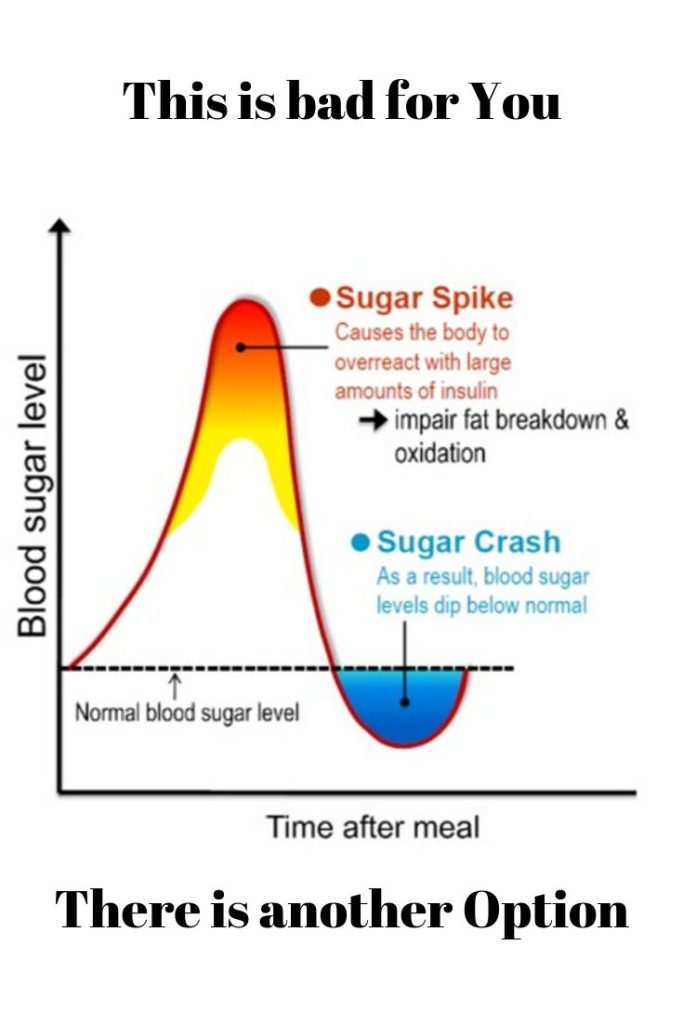
When glucose enters the bloodstream too quickly, the body responds with a strong insulin release to lower blood sugar.
Why This Creates Instability
Energy rises briefly
Insulin clears glucose rapidly
Blood sugar drops soon after
Energy feels shaky or flat
This creates a roller-coaster effect instead of steady fuel.
Example
Someone eats a refined-carb breakfast and feels energized for an hour, then suddenly tired and unfocused. This is not normal energy use—it’s glucose overload followed by a crash.
2️⃣ Insulin Surges Promote Fat Storage
Insulin’s role is to move glucose out of the bloodstream. When insulin is high, the body prioritizes storage, not fat burning.
What Repeated Spikes Teach the Body
Store excess glucose as fat
Reduce access to stored fat
Favor storage even at moderate calories
Over time, the body becomes very efficient at storing energy—but less flexible at using it.
Example
Someone eats “reasonable portions” but still gains fat or struggles to lose it. Repeated insulin spikes may be quietly training the body toward storage mode.
3️⃣ Energy Crashes Follow the Spike
After insulin clears glucose quickly, blood sugar can drop too low.
Common Crash Symptoms
Sudden fatigue
Shakiness
Irritability
Hunger soon after eating
Many people misinterpret this as needing more food or caffeine.
Example
After lunch, someone feels heavy, sleepy, and unfocused. They reach for coffee, thinking it’s normal afternoon fatigue—when it’s actually a post-spike energy crash.
4️⃣ Cravings Increase Between Meals
Blood sugar instability activates hunger hormones and reward pathways.
Why Cravings Intensify
Rapid drops signal “emergency fuel”
The brain seeks quick carbohydrates
Willpower feels weaker
This reinforces the spike-crash cycle.
Example
Someone eats a carb-heavy meal and feels hungry again within 1–2 hours, often craving sweets. This is hormonal signaling, not lack of discipline.
5️⃣ Mental Focus Declines With Fluctuations
The brain relies on stable glucose, not high glucose.
What Fluctuations Cause
Brain fog
Slower thinking
Reduced concentration
Irritability
These symptoms are especially noticeable in the afternoon.
Example
A person struggles to concentrate after meals and feels mentally dull. Stabilizing blood sugar often improves clarity without stimulants.
6️⃣ Metabolism Becomes Less Flexible Over Time
Metabolic flexibility is the ability to switch between glucose and fat for fuel.
How Spikes Reduce Flexibility
The body relies heavily on glucose
Fat access becomes limited
Energy feels inconsistent
I have seen this make fat loss feel unusually difficult even with calorie awareness.
Example
Someone feels fine while eating frequently but struggles badly when meals are delayed. This often reflects reduced metabolic flexibility.
7️⃣ Sleep and Recovery Are Affected
Late-day blood sugar spikes interfere with nighttime recovery.
Why Evening Spikes Matter
Raise nighttime insulin
Disrupt melatonin release
Reduce deep sleep quality
Poor sleep then worsens blood sugar control the next day.
Someone under pressure experiences cravings and crashes despite eating similarly to before. Stress is quietly amplifying blood sugar instability.
🔹 REALITY CHECK
Blood sugar balance does not improve overnight.
Early signs include fewer crashes
Cravings reduce before energy improves
Results vary by person
Small steps matter more than extreme changes. Consistency supports long-term metabolic wellness.
🔹 QUICK REFERENCE TABLE
Habit
How Often
Beginner-Friendly
Balanced meals
Daily
Yes
Protein with carbs
Daily
Yes
Regular meal timing
Daily
Yes
Stress management
Daily
Yes
🔹 WHAT RESULTS CAN YOU EXPECT OVER TIME?
With consistent habits, stabilizing blood sugar may help:
Reduce energy crashes
Improve mental focus
Support fat management
Reduce cravings
Increase daily comfort
Improvements often appear gradually as routines stabilize.
🔹 CONCLUSION
Blood sugar spikes quietly affect both energy and fat storage. They create cycles of crashes, cravings, and metabolic stress that are often mistaken for lack of discipline or poor motivation.
By focusing on balance rather than restriction, the body can regain stable energy and metabolic comfort. Small daily changes—practiced consistently—often create the biggest long-term improvements.
🔹 FREQUENTLY ASKED QUESTIONS
Q1: Do blood sugar spikes cause tiredness?
Yes. Rapid rises followed by drops often lead to fatigue and sleepiness.
Q2: Can blood sugar affect fat storage?
Yes. Insulin plays a central role in directing energy toward storage.
Q3: Are carbohydrates always the problem?
No. Balance, quality, and timing matter more than avoidance.
Q4: Why do I feel sleepy after meals?
Post-meal glucose and insulin shifts are a common cause.
Q5: Can stress raise blood sugar?
Yes. Stress hormones increase glucose even without eating.
Q6: Does protein help stabilize blood sugar?
Yes. Protein slows digestion and glucose absorption.
Q7: Is skipping meals helpful?
For many beginners, skipping meals worsens instability.
Q8: Can sleep affect blood sugar control?
Yes. Poor sleep increases glucose instability.
Q9: How long does it take to balance blood sugar?
It varies, but improvements are usually gradual.
Q10: What is the safest way to avoid energy crashes?
Consistent meals with balanced nutrients and stress management.
👤
About the Author & Editorial Review
Puma U
Content on BioHelixa is created by Puma U, a certified Lab Technician (DMLT) with over 10 years of experience in public health and laboratory science, including clinical exposure within India's National Rural Health Mission (NRHM). His background in laboratory diagnostics and metabolic science provides practical insight into how cellular biology, hormones, and bio-tracking influence human performance.
📋 Editorial Review
Select health-related content on BioHelixa may be reviewed by Dr. Prashant G (MBBS), a practicing medical doctor, to support general accuracy and improve content quality. This review is intended for educational quality assurance only and does not represent formal medical certification or individualized medical advice.
⚠️ Disclaimer: This content is for educational and informational purposes only and is not intended as a substitute for professional medical advice, diagnosis, or treatment.