Neurofeedback is an emerging area of neuroscience and applied cognitive science that focuses on measuring and interpreting brain activity in real time. It uses EEG (electroencephalography) technology to track brainwave patterns and provide feedback that helps individuals become more aware of their mental states.
In recent years, neurofeedback has gained popularity in countries such as the United States, United Kingdom, Canada, Australia, and Singapore. It is being explored in clinical psychology, cognitive performance training, workplace wellness programs, and even high-performance environments such as tech companies and elite sports training centers.
Unlike traditional interventions that aim to directly alter brain function through pharmacological or invasive means, neurofeedback focuses on self-regulation through awareness. It does not “force” the brain to change but instead allows users to observe patterns and gradually adjust their cognitive states through closed feedback loops.
Consider how this plays out across different high-pressure environments globally:
A software engineer in San Francisco may use neurofeedback tools to better understand focus fluctuations during deep work sessions.
A student in London may explore brainwave training tools to improve awareness of exam-related stress.
A wellness practitioner in Singapore may integrate neurofeedback into mindfulness-based stress reduction programs.
While promising, neurofeedback is still a developing field, and its effectiveness varies depending on methodology, consistency, and individual differences. To truly leverage this bio-hacking tool, it is essential to understand the biological framework, physiological signals, and systemic parameters that govern neuroregulation.
What Is Neurofeedback?
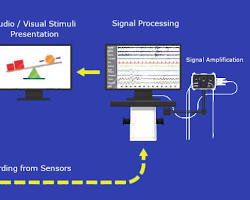
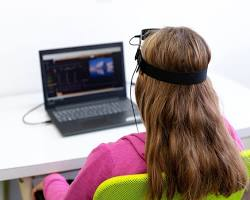
Neurofeedback is a specialized form of biofeedback that uses EEG sensors to monitor electrical activity in the brain. The brain’s billions of neurons communicate via tiny electrical impulses, which travel across the scalp and can be picked up by sensitive external electrodes. The neurofeedback system then converts this raw, complex electrical data into simplified visual or auditory signals that allow users to “see” or “hear” their brain activity in real time.
The goal is not to control the brain directly but to create a loop where the brain gradually learns to associate certain internal mental states with specific external outcomes. When the brain drops into a desired state, the user is rewarded with a smooth sound or a visual progression on a screen. If the brain drifts into a distracted or overly stressed state, the feedback pauses, signaling the brain to self-correct.
EEG sensors placed on the scalp: Non-invasive gold or silver-coated electrodes that measure localized electrical changes.
Brainwave signal processing system: High-powered software that filters out external noise (muscle twitches, eye blinks) and isolates neural frequencies.
Feedback interface: A visual display, sound system, or interactive game that reacts dynamically to the user’s brainwave output.
Training protocol: A session-based learning program customized around an individual’s baseline brain map.
Neurofeedback is based on a psychological principle called operant conditioning, which is the process of learning through reward and feedback. The brain is inherently plastic and seeks to maximize rewards. When given clear, instant boundaries regarding its performance, it naturally alters its internal pathways to achieve the reward state more efficiently.
The mechanics of a typical system follow a precise chronological sequence:
Real-Time Measurement: EEG sensors measure microscopic electrical shifts across the cortex hundreds of times per second.
Frequency Classification: The raw signal is split using mathematical algorithms into discrete frequency bands (Delta, Theta, Alpha, Beta, Gamma).
Algorithmic Comparison: The software compares the current frequency ratios against the user’s target performance protocol.
Immediate Feedback Delivery: The system provides visual or sound cues within milliseconds of a state change, reinforcing the desired neural architecture.
Neurological Adaptation: Through repeated exposure over multiple sessions, the brain retains these self-regulation patterns, allowing users to tap into focused or calm states at will outside the lab environment.
This process does not produce instant results. Instead, it relies on repeated sessions over time to build lasting awareness of mental states and encourage structural neuroplasticity.
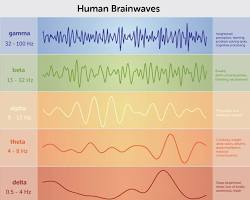
Brainwave activity is typically divided into several frequency bands, measured in Hertz (cycles per second). Each band is associated with different cognitive and physiological states, forming a complex internal orchestra.
                                  The Neural Spectrum
                                           |
       +-----------------------------------+-----------------------------------+
       |                                   |                                   |
       v                                   v                                   v
[ Delta Waves: 0.5-4 Hz ]           [ Theta Waves: 4-8 Hz ]             [ Alpha Waves: 8-12 Hz ]
Deep non-REM sleep, systemic        Deep relaxation, twilight states,   Calm alertness, mental bridge,
restoration, and metabolic repair.  creativity, and early sleep stages. reduced internal stress levels.
       |                                   |                                   |
       +-----------------------------------+-----------------------------------+
                                           |
                    +----------------------+----------------------+
                    |                                             |
                    v                                             v
       [ Beta Waves: 12-30 Hz ]                      [ Gamma Waves: 30+ Hz ]
       Active processing, analytical work,           High-level cognition, binding senses,
       problem-solving, and sharp focus.             and complex data integration.
It is important to note that no brainwave state is inherently “good” or “bad.” A healthy brain requires high flexibility—the capacity to switch fluidly between these states depending on the environment. The effectiveness depends entirely on context. For example, Alpha states may be beneficial during meditation or creative ideation, whereas Beta states may be more relevant during analytical work or high-stakes decision-making.
Conversely, an inability to shift out of a state causes cognitive dysfunction. High Beta waves when trying to fall asleep results in severe insomnia, while excess Theta waves during a corporate meeting manifests as extreme distraction and brain fog.
Why Neurofeedback Has Gained Popularity
The global conversation surrounding brain health has evolved beyond basic stress management into advanced cognitive optimization. Several clear cultural and technological shifts have driven neurofeedback into mainstream premium wellness sectors:
Rising Workplace Stress: Modern professional environments in cities like New York, London, and Toronto demand constant cognitive output, leading to severe mental fatigue and burnout.
Increased Focus on Mental Health Awareness: High-performers are actively seeking non-pharmacological, preventative tools to regulate their nervous systems.
Growth of Wearable Cognitive Technology: The miniaturization of EEG sensors has allowed consumer tech companies to bring medical-grade data monitoring out of the lab and directly into the home.
Expansion of Non-Invasive Wellness Tools: Modern executives prefer active, data-driven bio-hacking protocols that provide clear metrics over purely subjective wellness practices.
In tech-driven environments such as Silicon Valley, neurofeedback is often explored as part of broader cognitive performance strategies, utilized by developers and founders to access prolonged flow states and protect their mental bandwidth.
Real-World Applications
As neurofeedback technology becomes more accessible, distinct protocols are being integrated across various global hubs to address specific professional and academic demands.
1. Workplace Performance (United States)
In high-performance work environments, neurofeedback is sometimes used to help individuals recognize attention fatigue patterns. For example, a data analyst working in New York may use EEG-based feedback tools to understand how focus changes during long analytical tasks. By identifying the exact moment their brain shifts from productive Beta waves into fatigued Theta patterns, they can proactively structure cognitive rests, maximizing daily output without triggering severe exhaustion.
2. Academic Focus (United Kingdom & Canada)
Students in competitive academic environments are exploring neurofeedback tools to better understand attention cycles during study sessions. For instance, a university student in Toronto preparing for exams may use brainwave tracking to observe how stress influences concentration over time. This bio-feedback trains the student to recognize the physical and neural sensations of anxiety, allowing them to consciously guide their brain back into a calm, focused Alpha-Beta state before taking an exam.
3. Wellness Integration (Singapore & Australia)
In forward-thinking wellness clinics, neurofeedback is frequently combined with traditional mindfulness practices to provide a concrete, objective anchor for internal training. A practitioner in Singapore may integrate neurofeedback sessions with breathing exercises to help clients improve awareness of stress responses. Seeing their brainwaves instantly stabilize on a screen when they slow down their breathing pattern gives clients undeniable proof of their internal control, accelerating their mastery over their autonomic nervous system.
Clinical and Scientific Research Context
Research into neurofeedback has expanded over the past decade, particularly in areas such as attention regulation, stress response patterns, cognitive performance, and sleep behavior analysis. By mapping out the brain’s electrical network, researchers can observe how self-regulation practices directly correlate with changes in localized cortical blood flow and neural connectivity.
However, scientific literature remains mixed regarding its long-term effectiveness. Some studies show potential benefits, particularly for supporting attention metrics and down-regulating over-aroused nervous systems. Other studies suggest that improvements may be influenced by placebo effects or general learning processes rather than direct, localized neurophysiological changes.
Because neurofeedback occurs within a complex living organism, separating the specific benefits of brainwave manipulation from the general benefits of sitting quietly and focusing on self-awareness remains a significant challenge for researchers.
Despite its growing popularity, individuals must approach neurofeedback with an objective, grounded perspective, keeping its clear systemic limitations in mind:
Variability in Results: Not all individuals respond to operant conditioning in the same way. Some experience noticeable improvements in focus or stress awareness, while others see minimal change after weeks of training.
Lack of Standardization: Different consumer and clinical devices use varying sensor counts, placements, software algorithms, and target thresholds, making it difficult to establish uniform standards.
Requires Consistency: Meaningful results cannot be achieved in a handful of sporadic sessions. Neurofeedback requires an investment of time, typically needing repeated, focused sessions over weeks or months to build lasting neural changes.
Not a Diagnostic Tool: Neurofeedback does not diagnose or treat medical conditions. It is a tool for behavioral self-regulation and cognitive observation, not a substitute for clinical psychiatry or neurology.
Neurofeedback vs. Meditation vs. Cognitive Training
While these three disciplines all aim to upgrade mental function, they operate through completely different sensory pathways and cognitive mechanisms.
Methodology
Primary Mechanism
Feedback Source
Main Advantage
Meditation
internal mindfulness, breath control, and sensory withdrawal
Purely subjective internal awareness
Free, accessible anywhere, requires zero tech hardware.
Cognitive Apps
Structured tasks, memory puzzles, and problem-solving games
External performance metrics (scores, levels)
Builds specific task-related skills and working memory.
Neurofeedback
Direct operant conditioning of cortical electrical activity
Real-time objective biometrics (EEG signals)
Targets the baseline neural state before tasks are performed.
Rather than viewing these modalities as competing choices, top-tier performance labs often combine them, using neurofeedback to confirm and enhance the deep states of calm achieved during meditation.
It is primarily used to study and improve personal awareness of brain activity patterns, helping individuals optimize focus, manage stress responses, and understand their unique cognitive states.
2. Is neurofeedback scientifically proven?
Research is actively ongoing. While numerous clinical studies show positive outcomes for attention training and stress modulation, the broader scientific community continues to evaluate how much of this improvement is due to specific neuroregulation versus general behavioral conditioning and placebo effects.
3. Can neurofeedback improve focus?
Yes, it can serve as a supportive tool. By training you to recognize the precise biometric signatures of distraction, neurofeedback helps you build the internal awareness needed to consciously guide your brain back into a highly productive state.
4. How long does neurofeedback take to work?
Most structured programs require a commitment of 20 to 40 sessions, conducted 2 to 3 times per week over several months, to establish consistent, automatic shifts in brainwave states.
5. Is neurofeedback safe?
Yes. Neurofeedback is entirely non-invasive and safe. The EEG sensors function purely as passive listening devices that read your brain’s natural electrical output; they do not introduce any electrical currents or radiation into your body.
6. Can consumer-grade brainwear deliver the same results as clinical systems?
Consumer devices are excellent for general wellness tracking, baseline focus coaching, and understanding high-level brainwave trends. However, they typically use fewer electrodes and simplified algorithms compared to the complex, full-cap quantitative EEG (qEEG) equipment found in specialized clinical centers.
7. Does neurofeedback training provide permanent results?
For many individuals, the self-regulation skills learned via neurofeedback become automatic habits, similar to learning how to ride a bicycle. Once the brain fundamentally masters how to access a specific recovery or focus state, that capacity tends to persist over the long term.
Disclaimer
This article is for educational and informational purposes only. It does not constitute medical advice, diagnosis, or treatment. Neurofeedback should not be used as a substitute for professional medical or psychological care. Always consult a qualified healthcare provider before making decisions related to health or cognitive training.
Final Thoughts
Neurofeedback represents an evolving intersection of neuroscience, technology, and cognitive self-awareness. While it shows promise in research and applied settings, it should be understood as a tool for observation and learning rather than a direct method of forcing changes upon your brain function.
True cognitive performance is never built on a single technical tool. It requires a foundational commitment to cellular health, consistent sleep schedules, metabolic stability, and mindful stress management. By utilizing neurofeedback as an objective mirror for your daily lifestyle choices, you can gain deep insights into your mental architecture and help your brain function with maximum clarity and resilience over the long term.
Content on BioHelixa is created by Puma U, a certified Lab Technician (DMLT) with over 10 years of experience in public health and laboratory science, including clinical exposure within India's National Rural Health Mission (NRHM). His background in laboratory diagnostics and metabolic science provides practical insight into how cellular biology, hormones, and bio-tracking influence human performance.
📋 Editorial Review
Select health-related content on BioHelixa may be reviewed by Dr. Prashant G (MBBS), a practicing medical doctor, to support general accuracy and improve content quality. This review is intended for educational quality assurance only and does not represent formal medical certification or individualized medical advice.
⚠️ Disclaimer: This content is for educational and informational purposes only and is not intended as a substitute for professional medical advice, diagnosis, or treatment.