The biohacking industry has expanded rapidly over the past decade, especially in high-income, technology-driven countries such as the United States, United Kingdom, Canada, Germany, Australia, and Singapore. What was once a niche field focused on self-experimentation has now evolved into a multi-billion-dollar consumer wellness market.
Today, consumers can access devices that claim to track sleep quality, optimize recovery, measure metabolic health, improve cognitive performance, and even influence cellular function. However, with this rapid growth has come a significant challenge: not all devices provide meaningful or scientifically validated benefits.
Many users invest heavily in tools without understanding what they actually measure or how to interpret the data. As a result, the market is now divided between evidence-supported technologies and marketing-driven products.
This guide focuses only on five categories of biohacking devices that have meaningful scientific backing, practical real-world use, and measurable relevance in daily life. We will also explore real-world examples from cities like New York, London, Toronto, and Singapore to help contextualize how these devices are being used globally.
1. Wearable Sleep & Recovery Trackers
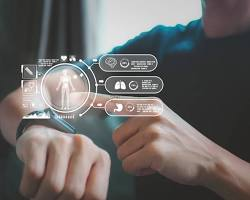
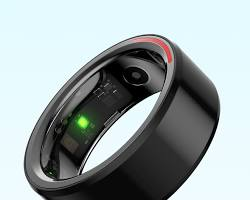
Wearable devices such as smart rings and wrist-based trackers have become the foundation of modern biohacking. Popular consumer options in this category include the Oura Ring, WHOOP strap, Apple Watch, and Garmin multi-sport systems.
These devices continuously capture a stream of biometric markers by bouncing light waves through the skin to measure blood flow changes—a process known as photoplethysmography (PPG).
[Skin Surface] ---> (PPG Optical Light Sensors) ---> [Raw Pulse Wave Signal]
                                                            |
                                                            v
                                                 [Algorithmic Extraction]
                                                            |
                     +--------------------------------------+--------------------------------------+
                     |                                      |                                      |
                     v                                      v                                      v
         [Heart Rate Variability]                [Resting Heart Rate]                  [Circadian Core Temp]
Key Biometric Metrics Collected
Heart Rate Variability (HRV): The microscopic variation in time intervals between consecutive heartbeats, serving as a primary window into autonomic nervous system balance.
Sleep Stage Architecture: Algorithmic estimates tracking deep non-REM, light, and REM sleep cycles throughout the evening.
Resting Heart Rate (RHR): The baseline number of cardiac contractions per minute when the body is in complete state of repose.
Allostatic Strain Load: An aggregate score calculating the physiological tax placed on your cardiovascular and nervous systems during waking hours.
Circadian Temperature Deviations: Micro-fluctuations in skin temperature relative to your personal established baseline.
Why They Matter
Sleep and recovery are two of the most critical determinants of overall physical and cognitive performance. Wearables provide continuous, objective data streams that help users identify long-term behavioral patterns rather than relying on unreliable subjective self-assessments.
Real-World Scenario (London): A user in London may notice that late-night screen exposure or digital blue-light immersion consistently reduces deep sleep efficiency over a two-week period, prompting them to change their evening habits.
Real-World Scenario (New York): A user in New York may observe that rapid travel across time zones significantly depresses their HRV and recovery scores, indicating they should dial back intense physical training until baseline parameters recover.
Limitations
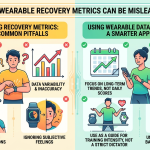
While highly useful for broad trend mapping, consumer wearables should not be treated as medical-grade diagnostic tools. Their proprietary algorithms are built on statistical population modeling rather than direct, localized physiological measurement (such as full clinical polysomnography sleep tracking).
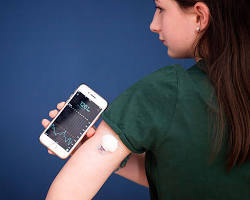
Continuous Glucose Monitors have become increasingly popular among health-conscious individuals in the United States and Europe, expanding rapidly outside of their traditional use in diabetic populations. These minimal, stick-on devices utilize a microscopic enzymatic sensor filament inserted just under the skin into the subcutaneous tissue.
Postprandial Glycemic Surges: Sudden spikes in glucose values occurring within two hours of consuming specific meals.
Diurnal Energy Stability: The correlation between steady blood sugar curves and sustained daytime mental focus.
Carbohydrate Tolerance Overlays: Personalized assessments highlighting how different macronutrient profiles affect metabolic stability.
Why It Matters
Glucose stability is tightly linked to daily energy regulation, acute cognitive clarity, and long-term metabolic health. Sudden, dramatic blood sugar spikes followed by steep drops trigger reactive hypoglycemia, directly manifesting as brain fog, acute fatigue, and intense sugar cravings.
Real-World Scenario (Toronto): A professional in Toronto may discover that their standard breakfast choice causes a massive glycemic spike followed by a severe mid-morning energy crash, allowing them to optimize their food selection for a stable work day.
Real-World Scenario (Singapore): A software engineer in Singapore may identify that high-sugar or ultra-processed meals significantly reduce their afternoon focus and analytical productivity, leading them to prioritize high-fiber, protein-dense alternatives.
3. Red Light Therapy Devices (Photobiomodulation)
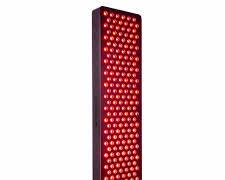
Red light therapy devices use specific wavelengths of red (typically around 660 nanometers) and near-infrared (around 850 nanometers) light to interact directly with human tissue. Unlike traditional forms of heat therapy, these wavelengths pass cleanly through the outer layers of the skin without causing structural thermal damage.
                      Photobiomodulation Pathway
                                   |
         +-------------------------+-------------------------+
         |                                                   |
         v                                                   v
(660 nm Visible Red Light)                      (850 nm Near-Infrared Light)
Targets superficial skin levels,                Penetrates deep into subdermal tissue,
supporting dermal rejuvenation.                 reaching muscular and connective frames.
         \                                                   /
          \                                                 /
           v                                               v
     [Photons absorbed by Mitochondrial Cytochrome C Oxidase Ensembles]
                                   |
                                   v
             [Upregulation of Adenosine Triphosphate (ATP)]
Primary Common Use Cases
Localized Muscular Recovery Support: Accelerating structural tissue repair and reducing post-exercise soreness following intense physical stress.
Dermal Rejuvenation Applications: Stimulating internal fibroblasts to promote natural collagen synthesis and support overall skin health.
Systemic Optimization Routines: Enhancing localized cellular resilience as part of a structured morning protocol.
Why It Matters & Scientific Context
The core mechanism behind photobiomodulation relies on light photons interacting with an enzyme inside our cellular powerhouses called cytochrome c oxidase. This interaction helps optimize mitochondrial respiration, allowing cells to produce adenosine triphosphate (ATP)—the fundamental energy currency of the body—more efficiently while keeping oxidative stress in check.
Real-World Scenario (Los Angeles & Singapore): In premium wellness clinics across Singapore and Los Angeles, localized red light panels are integrated into recovery protocols for professional athletes and high-performance executives to compress recovery timelines and mitigate inflammation after grueling schedules.
Dedicated Heart Rate Variability monitoring represents one of the most widely validated and accessible methods for checking autonomic nervous system (ANS) balance. It tracks the delicate tug-of-war between your sympathetic (“fight-or-flight”) and parasympathetic (“rest-and-digest”) pathways.
                       The Autonomic Nervous System Balance
                                         |
               +-------------------------+-------------------------+
               |                                                   |
               v                                                   v
    [ Sympathetic Pathway ]                             [ Parasympathetic Pathway ]
    - Fight-or-flight response                          - Rest-and-digest system
    - Drives heart rate up                              - Lowers heart rate via vagus nerve
    - Creates rigid, predictable rhythm                 - Introduces microscopic variations
               \                                                   /
                \                                                 /
                 v                                               v
           =============================================================
           [ High HRV = Dominant Parasympathetic Pathway (Well Recovered) ]
           [ Low HRV  = Overworked Sympathetic Pathway (Under Stress)      ]
           =============================================================
Essential Parameters Tracked
Autonomic Stress Footprints: Evaluating whether the body is structurally locked into an over-aroused, adrenaline-driven state.
Systemic Recovery Trends: Monitoring long-term changes in baseline HRV numbers to track cardiovascular conditioning.
Daily Readiness Indicators: Providing context to help you choose whether to tackle a high-stress workload or prioritize active rest.
Why It Matters
When your body is well-rested, the parasympathetic nervous system actively modulates your heartbeat via the vagus nerve, introducing tiny, millisecond variations between beats (high HRV). When your body is under physical or psychological strain, the sympathetic system takes over, commanding the heart to beat with rigid, metronomic regularity (low HRV).
Real-World Scenario (London): A corporate consultant in London working long hours may observe a steady downward trend in their baseline HRV during intense project deadlines, signaling that their nervous system is struggling to recover.
Real-World Scenario (New York): A fitness enthusiast in New York may spot sudden, sharp drops in their morning HRV scores right after performing heavy lifting sessions or experiencing disrupted sleep, indicating a clear need to prioritize active recovery.
Important Note: HRV is a highly sensitive metric influenced by an array of competing factors, including acute hydration levels, micronutrient intake, psychological anxiety, and jet lag. It should always be interpreted as a moving trend baseline rather than an isolated absolute score.
5. Sleep Environment Optimization Systems
Advanced sleep environment systems include temperature-regulated mattress pads, smart lighting fixtures, and dynamic ambient control tools engineered to remove environmental disruptors from your sleep space.
Core Environmental Factors Managed
Dynamic Surface Temperature Stability: Keeping skin and bed temperatures perfectly calibrated with human thermoregulation needs.
Sleep Onset Latency Reduction: Lowering core body temperature to signal the brain it is time to transition into sleep.
Circadian Lighting Alignment: Systematically removing short-wavelength blue light in the evening to allow natural melatonin production.
Environmental Challenge
System Intervention
Primary Physiological Outcome
Elevated ambient bedroom heat
Active conductive water cooling pads
Prevents middle-of-the-night waking and preserves deep non-REM sleep.
Inconsistent morning light cues
Automated sunrise lighting systems
Suppresses melatonin production to reduce morning grogginess.
Ambient noise pollution
Low-frequency masking systems
Stabilizes auditory cortex activity to improve sleep continuity.
Why It Matters
Your sleep environment is one of the most easily adjusted yet frequently overlooked variables affecting physical recovery and daytime cognitive performance. Human biology is hardwired to experience a core body temperature drop of roughly two degrees Fahrenheit to enter and sustain deep sleep architectures safely.
Real-World Scenario (Toronto & New York): In dense cities like New York or Toronto, where extreme seasonal weather variations shift bedroom environments, temperature-regulated sleep systems ensure your sleep climate stays perfectly consistent all year round, shielding you from disruptive thermal spikes.
The Reality of Biohacking Devices
Despite their impressive features and growing popularity, biohacking devices are not a silver bullet for good health. Peer-reviewed research and expert consensus consistently show that tech tools cannot out-benchmark poor foundational daily habits. The absolute majority of your long-term health, vitality, and longevity is driven by simple, unglamorous lifestyle behaviors.
Real-World Scenario (San Francisco): A venture capitalist in San Francisco might spend thousands on top-tier tracking rings and cooling mattress pads. However, if they consistently sleep fewer than five hours a night, eat hyper-processed meals, and maintain a sedentary routine, their biomarkers will remain poor.
Devices are powerful mirrors that show you where your lifestyle needs adjustment—but they are not replacements for the foundational work itself.
How to Choose the Right Device
Before spending money on any biohacking technology, walk through this quick four-part checklist to ensure the investment translates into meaningful results:
Data Relevance: Does the device track a specific biometric variable that directly relates to your active wellness goals?
Scientific Support: Are the metrics and claims backed by rigorous, independent, peer-reviewed research, or are they relying on clever marketing buzzwords?
Behavioral Impact: Does having access to this data actually help you make healthier daily decisions, or does it just create unnecessary health anxiety?
Long-Term Usability: Is the device practical enough to stay integrated into your daily routine after the initial novelty wears off in 3 to 6 months?
They are used to monitor, quantify, and analyze vital biological signals—such as HRV, glucose levels, body temperature, and sleep architecture—providing clear metrics to help you make data-driven lifestyle adjustments.
2. Are biohacking devices scientifically accurate?
Accuracy varies significantly by category. Devices that measure well-established cardiorespiratory signals (like resting heart rate and HRV) or direct metabolic markers (like interstitial glucose) are highly accurate and reliable. Conversely, consumer devices that attempt to calculate sleep stages or daily calorie burns rely on generalized statistical models and are best used for tracking broad trends rather than exact numbers.
3. Do biohacking devices improve health?
No device can directly improve your health on its own. Instead, they function as educational tools, giving you the objective data needed to optimize your sleep, refine your nutrition, and stick to health-promoting habits.
4. What is the best biohacking device for beginners?
A high-quality wearable sleep and recovery tracker (such as a smart ring or a sports-focused smart watch) is widely considered the best entry point. They provide a comprehensive, easy-to-understand overview of your baseline stress and recovery metrics without requiring invasive protocols.
5. Are expensive biohacking tools necessary?
Absolutely not. The most powerful levers for human health—maintaining a regular sleep schedule, eating whole foods, moving your body daily, and getting natural sunlight—are completely free. Technology should only be used to fine-tune an already solid health foundation.
6. Can I wear a CGM if I am not diabetic?
Yes. Many individuals use CGMs to observe how their unique biology responds to specific foods, stress levels, and exercise routines. However, if you do not have a metabolic condition, you should use these insights to build a balanced, flexible relationship with food rather than stressing over every minor blood sugar wave.
7. How long should I track a biometric metric before making lifestyle changes?
It is best to collect data for at least two to three weeks to establish your personal baseline. This buffer helps ensure you are adjusting for your long-term habits rather than reacting to a single unusual day caused by poor sleep or acute stress.
Disclaimer
This article is for educational and informational purposes only. It does not constitute medical advice, diagnosis, or treatment. Biohacking devices should be used as supportive tools and not as replacements for professional healthcare guidance. Always consult a qualified healthcare professional before making changes to your health routine.
Final Thoughts
Biohacking devices have created an exciting new era of personal health awareness, especially across highly connected, data-driven regions such as the United States, United Kingdom, Canada, and Singapore. However, their true value depends entirely on how you apply the insights they reveal.
The most effective strategy is to avoid getting lost in a single metric or relying too heavily on any individual gadget. Instead, use these technologies to complement consistent lifestyle habits and build long-term behavioral awareness. When used with a grounded, practical approach, these tools provide an excellent window into your biology—helping you take control of your health with clarity, precision, and confidence.
Content on BioHelixa is created by Puma U, a certified Lab Technician (DMLT) with over 10 years of experience in public health and laboratory science, including clinical exposure within India's National Rural Health Mission (NRHM). His background in laboratory diagnostics and metabolic science provides practical insight into how cellular biology, hormones, and bio-tracking influence human performance.
📋 Editorial Review
Select health-related content on BioHelixa may be reviewed by Dr. Prashant G (MBBS), a practicing medical doctor, to support general accuracy and improve content quality. This review is intended for educational quality assurance only and does not represent formal medical certification or individualized medical advice.
⚠️ Disclaimer: This content is for educational and informational purposes only and is not intended as a substitute for professional medical advice, diagnosis, or treatment.